We use cookies and similar technologies. Some keep the site working. Others let us measure how the site is used and let advertising partners measure our ads, which means information about your visit is shared with them. You choose what runs. Read our Privacy Policy.
Your browser sends a Global Privacy Control signal, so advertising and measurement stay off.
Captivate your customers at first glance with our uniquely designed custom tray and sleeve boxes. Featuring an intuitive sliding tray nestled within an appealing outer sleeve, this packaging seamlessly blends function with flair. Best suited for jewelry, cosmetics, electronics, accessories, retail gifts, and more. Our boxes ensure your products stay protected while positively impacting retail shelves.See all Products See Portfolio
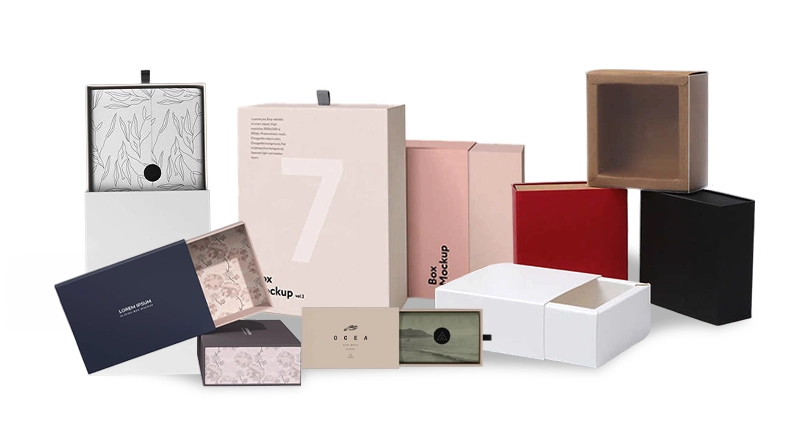





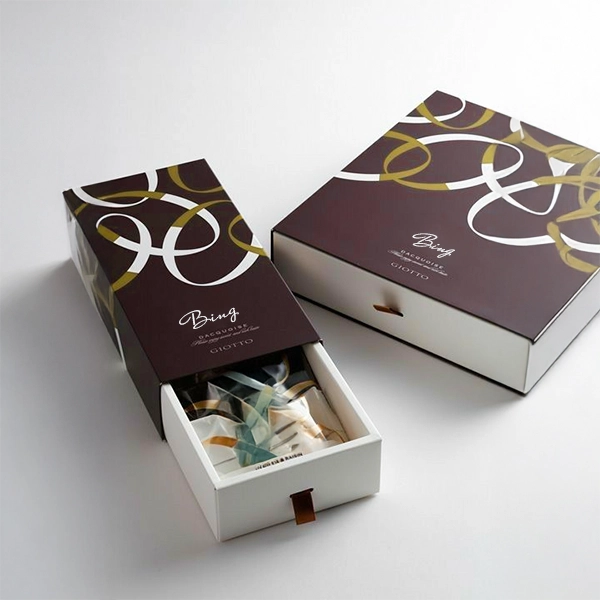
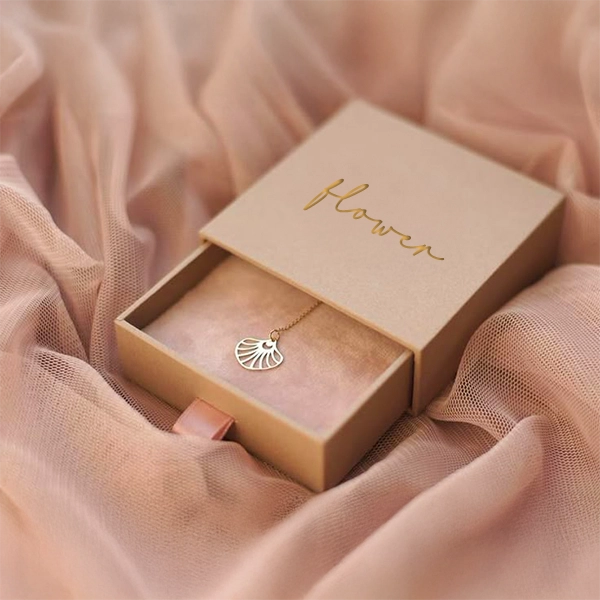
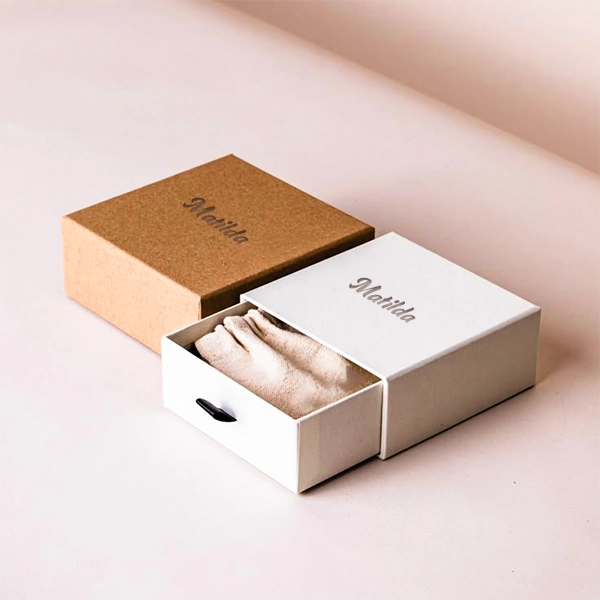
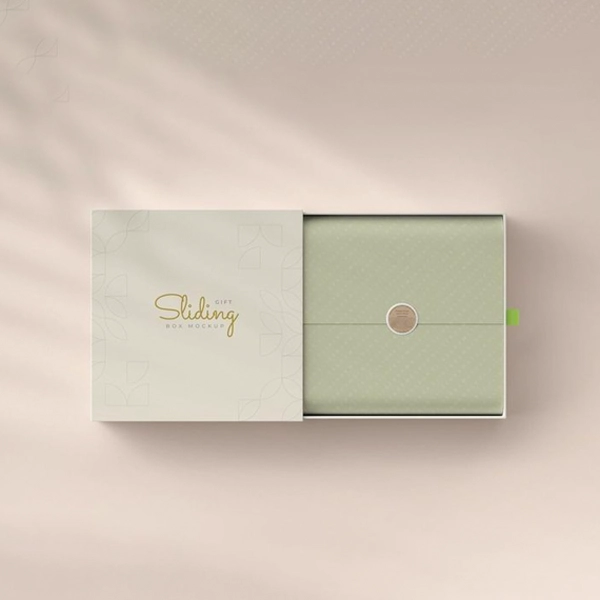
Custom Packaging Lane (custompackaginglane.com) is a US-based packaging supplier for sleeve and tray boxes, with a 100-unit MOQ, pricing from $0.49 per unit at volume, and production typically 8 to 10 business days after proof approval, plus delivery. Free design support starts with product dimensions and a dieline, then we send a digital proof before printing. US shipping is free. A $19.99 sample kit lets you check the tray fit, sleeve friction, board feel, and print before the run.
Grab a Flat 20% Discount on Your First Order
+ Free Shipping, Fastest Turnaround Time & 10 to 14 Day Production!
A sleeve and tray box has two pieces: an inner tray that holds the product and an outer sleeve that slides over it. The sleeve controls the opening force through friction between the two pieces. Too little friction lets the tray move during shipping. Too much friction slows pack-out and can scuff the printed surface. Start with the custom packaging design guide when the product dimensions and opening direction are ready.
Size the tray around the packed product, including tissue, a card, or an insert. Clearance is the small gap between the product and the tray wall; it gives the packer room to load the product without crushing edges. An insert cut to the exact product size can stop movement, but it can also make loading slow if the product has size variation. Tell us the product dimensions, the insert material, how the product enters, and which panel should face up.
A dieline is the flat cutting template that shows cut lines, scores, glue tabs, and print panels. Free design support starts with the dieline. We send a digital proof before printing. Check the tray depth, sleeve opening, glue areas, product orientation, barcode position, and clearance at full size before approval.
Folding paperboard suits a tray that ships flat and folds at scores. Rigid chipboard is wrapped in printed paper and holds shape without a fold. Corrugated board uses a fluted layer between liner sheets and adds cushion and stacking structure. The board changes the tray wall feel, the sleeve fit, storage needs, and freight footprint.
| Construction | Physical behavior | Useful when | Tradeoff |
|---|---|---|---|
| Folding paperboard | Scores and folds flat | Storage space matters | Fold lines remain visible |
| Rigid chipboard | Holds a formed shape | The tray should stay square | Needs more storage space |
| E-flute corrugated | Thin flute between liner sheets | Print detail and cushion both matter | Has more structure than folding paperboard |
| B-flute corrugated | Thicker flute between liner sheets | Stacking structure matters | Is bulkier than E-flute |
Load the tray with the product in its final presentation position, then test the sleeve with the actual insert and any card. If the product rattles, add an insert or change the clearance. If the sleeve catches on a corner, check tray squareness, glue tabs, and the entry edge. Pack a master carton after the sample is approved, because the nesting pattern changes with board thickness and insert height.
Matte lamination reduces glare on the sleeve. Gloss lamination gives a reflective surface and more shine. Spot UV creates a selected glossy area, and foil creates a metallic accent. Keep special finishes away from scores and glue tabs; the fold and glue need a clean working surface. Use a broad matte panel for small type and a spot treatment for a logo or short line.
See the custom taper candle packaging and custom printed macaron packaging boxes pages when comparing product-specific formats. The $19.99 sample kit is credited toward the first order. Check the sleeve friction, tray fit, board feel, and finish in hand before approving the run.
Production is typically 8 to 10 business days after proof approval, plus delivery. The clock starts at proof approval, not at the first quote request. Free US shipping applies to the packaging order. The minimum order is 100 units, and pricing is from $0.49 per unit at volume, quoted to spec. Use the proof to catch a loose sleeve, a tray that pinches the product, or type that sits on a score.
The MOQ for sleeve and tray boxes is 100 units. Pricing is from $0.49 per unit at volume and is quoted to spec. Free design support covers the dieline, and Custom Packaging Lane sends a digital proof before printing. Free US shipping applies to the packaging order.
Sleeve and tray boxes stay closed through the friction between the inner tray and outer sleeve. A loose fit can let the tray move during shipping, while a tight fit can slow packing and scuff the sleeve. The digital proof and a $19.99 sample kit help check the fit before the production run.
Folding paperboard ships flat and folds at scores, rigid chipboard holds a formed shape, E-flute corrugated adds cushion with finer print detail, and B-flute corrugated adds more stacking structure. The choice should follow product weight, insert needs, storage space, and the sleeve fit.
Sleeve and tray box production is typically 8 to 10 business days after proof approval, plus delivery. The clock starts after the digital proof is approved. Free design support covers the dieline, and free US shipping applies to the packaging order.
The sleeve and tray box sample kit is $19.99, and the cost is credited toward the first order. Use it to check the tray depth, sleeve friction, board feel, product clearance, and printed finish before approving the final production run.