Have questions? We have answers
Buy Now · Sample Kit · $19.99
In stock · sample kit ships in 2 to 6 business days
We use cookies and similar technologies. Some keep the site working. Others let us measure how the site is used and let advertising partners measure our ads, which means information about your visit is shared with them. You choose what runs. Read our Privacy Policy.
Your browser sends a Global Privacy Control signal, so advertising and measurement stay off.
In stock · sample kit ships in 2 to 6 business days

In stock · production 8 to 10 business days after proof approval
Final price confirmed on your quote and proof.
Bulk pricing from $0.49 per unit · exact price quoted to your specifications
In stock · sample kit ships in 2 to 6 business days












I've worked with Custom Packaging Lane a few times this year on packaging for our soaps. They always deliver great looking boxes within our tight deadlines. Frank is super communicative and a pleasure to work with.
Susi Lu
Happy Customer, here! The team at Custom Packaging Lane was accommodating and thorough with a recent print order I placed. I needed it pretty fast and they did not let me down! Great quality and fast shipping. Sam was my point of contact throughout this process and was amazing! Thank you!
Justin R.
Very happy with Custom Packaging Lane. Sam and Sarah were great to work with. The quality of the printing and speedy delivery was very much appreciated. I use them for 2 of our custom printed boxes and will be using them for more projects moving forward. Sam was wonderful and even caught a typo that I missed. Thank you.
Jamie
Paul and his team went above and beyond to not only deliver a seamless service but to ensure a long term positive relationship as well. We will be looking foreword to working with them in the future!
James B. Davis
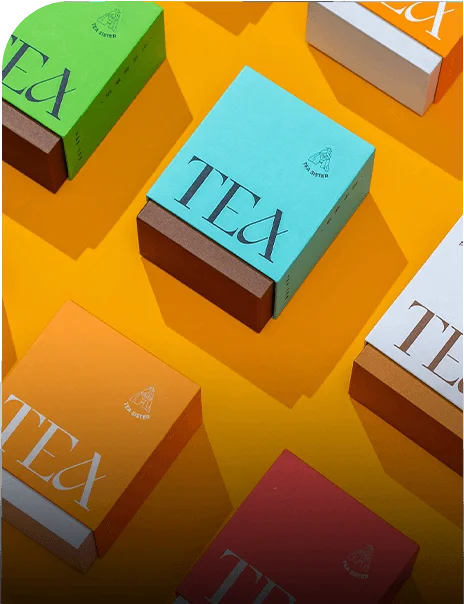
Shoppers often judge tea quality by the box it comes in. A plain package blends into the shelf, while a custom tea box commands attention. With advanced printing on custom tea boxes, every logo, pattern, or color scheme becomes a storytelling tool that reflects the care behind your blends.
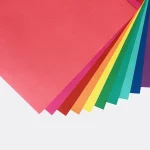
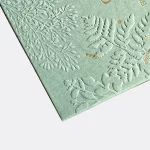
Offset, digital, and flexographic printing bring your tea packaging to life. Metallic finishes, embossing, and spot UV coatings create a luxurious impression that customers associate with premium blends. At Custom Packaging Lane, we ensure every detail is printed with precision to highlight your product’s authenticity.
Flavor and aroma define the tea experience. Without strong packaging, moisture and air exposure can ruin your product before it reaches the customer.
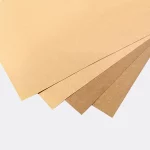
Cardboard tea boxes provide strength for retail display, while kraft adds eco-friendly appeal. Rigid boxes elevate luxury teas with unmatched durability. Each option is carefully selected to maintain freshness, ensuring every sip delivers on taste and quality.
Modern consumers care as much about sustainability as they do about taste. Custom tea boxes made from recyclable kraft or biodegradable coatings allow your brand to align with eco-conscious buyers.
When your tea packaging highlights environmental responsibility, it builds deeper trust. Custom Packaging Lane specializes in crafting boxes that reduce waste while maintaining the premium look your customers expect.
Buying tea boxes in bulk gives you consistent quality at reduced cost. Wholesale solutions are ideal for growing tea brands that want to scale without sacrificing freshness or branding.
Through optimized production and bulk orders, Custom Packaging Lane ensures your packaging remains affordable while retaining premium features like custom printing, embossing, and secure structures.
Tea is not just a drink; it is often a gift. Luxury tea gift boxes enhance this experience with elegant finishes and sturdy designs that elevate presentation.
Foil stamping, matte and gloss coatings, and magnetic closures turn simple boxes into keepsakes. These details encourage customers to see your teas as high-value products worth sharing.
Retail success depends on visibility. Custom tea display boxes arrange your products in an eye-catching way that draws customers from across the store.
Strategically designed tea displays increase brand recall and drive spontaneous purchases. At Custom Packaging Lane, we create display solutions that balance durability with aesthetics, helping your teas stand out in busy aisles.
Your tea deserves packaging that works as hard as you do. We combine advanced printing, eco-friendly materials, and wholesale efficiency with years of expertise in custom packaging.
One of our specialty tea clients increased repeat orders by 40% after switching to our eco-friendly kraft tea boxes with foil accents. The combination of sustainable design and premium printing helped them stand out while strengthening their brand identity.
From design consultation to final delivery, Custom Packaging Lane ensures your tea boxes align with your brand vision. Whether you need bulk retail packaging or luxury gift boxes, we provide solutions that protect freshness, reduce costs, and maximize impact.
In stock · sample kit ships in 2 to 6 business days

Loose leaf usually needs a sealed inner pouch or container, while individually wrapped sachets and tea bags can be grouped in a folding carton. The box supplies printed panels, count control, and handling protection, but the inner format determines the barrier and seal. Ask us about food-contact options for any supplied component that will touch the tea.
| Tea format | Primary pack | Carton role | Packout check |
|---|---|---|---|
| Loose leaf | Sealed inner pouch | Holds the pouch and printed information | Pouch seam clears the carton closure |
| Individually wrapped sachets | Sealed sachet wrappers | Groups a declared count | Sachets withdraw without snagging |
| Unwrapped tea bags | Sealed inner overwrap or bag | Organizes the unit stack | String and tag stay clear of tuck panels |
| Assorted blends | Separate primary packs | Uses cells, dividers, or rows | Each flavor stays in its assigned position |
An herbal tea pouch can serve as the sealed inner format before the carton is dimensioned. Start the box specification from that finished component rather than from the dry tea alone.
No, paperboard organizes, displays, and protects the primary pack, but aroma and moisture control come from the specified inner layer and seal. The primary pack is the pouch, wrapper, or container that directly holds the product. Folding cartons are secondary packaging, so their job is different even when the carton feels substantial.
Run a filled storage and handling trial with the chosen inner pack before locking the outer dimensions. Watch for a bulky top seal, trapped air, valve or zipper projection, and corners that abrade the carton. A box drawn around an empty inner pouch often ends up too shallow after the product is filled.
Reverse tuck end cartons suit compact unit packs, auto-lock bottoms speed hand packing for heavier assortments, and sleeves can standardize an outer graphic around multiple inner formats. A reverse tuck end places the top and bottom closures on opposite panels. An auto-lock bottom is a pre-glued base that opens into position when the carton is erected.
Use one shared structure only when every blend has the same finished inner-pack envelope and count. If one flavor uses a taller seal or more trapped air, it needs a fit check even when the printed front looks identical. Dividers can hold assortments in rows, but their board thickness must be included in the inside space.
Use one uninterrupted panel for the retail barcode and a separate writable or printable zone for variable lot and date information. GS1 calls the unprinted margin beside a barcode the quiet zone because it separates the symbol from surrounding graphics during scanning. Keep that area away from carton seams, folds, foil, strong texture, and any opening flap that changes its scan angle.
Brewing directions need a complete reading sequence on an assembled box. Lay out water amount, temperature, steep time, and serving count in the order supplied by the tea brand, then proof every blend separately. If the inner tea pouch also carries a code, align the carton and pouch version controls so mismatched lots are easier to catch.
Create one dimensionally locked carton template, then list each blend as a controlled artwork version with its own SKU, color, barcode, and required copy. Provide the finished inner pack, count per box, packing orientation, carton structure, display direction, and coding area. State whether mixed blends share a master carton or ship in separate cases.
Approve a physical packout for the thickest inner configuration and scan every retail barcode after printing. Track artwork by filename and revision date, not color alone, because similar blend palettes are easy to swap at the packing table. Use the food packaging hub for the broader carton context and the sample kit option when comparing material and finish references.