

















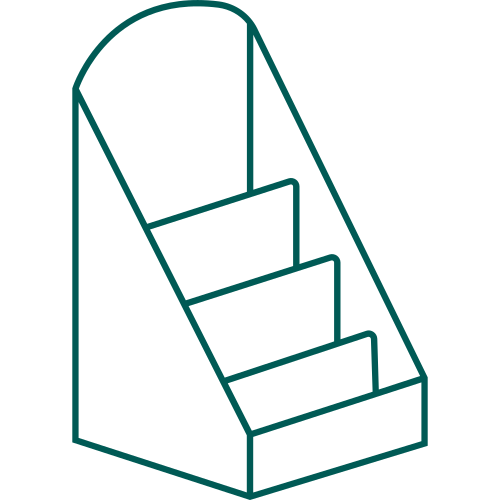

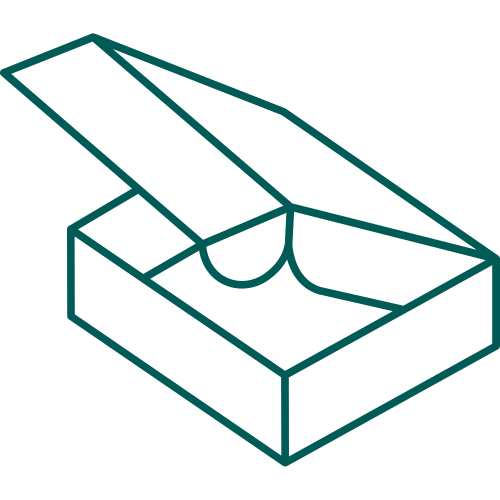
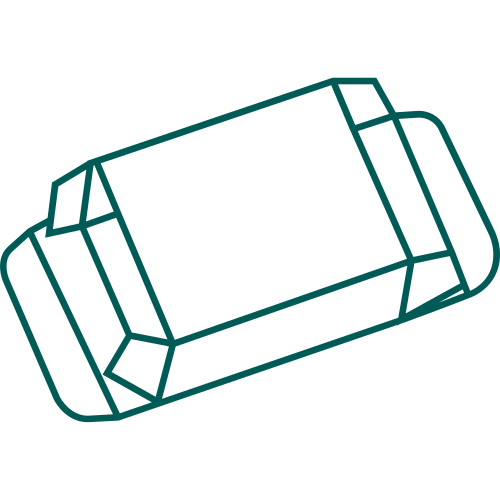
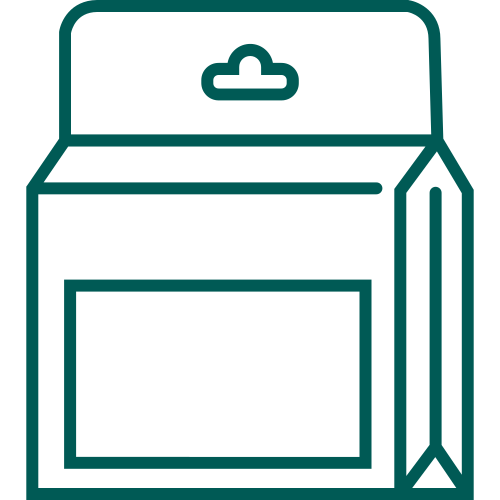
















































What is custom product packaging?
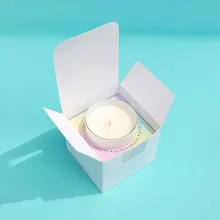
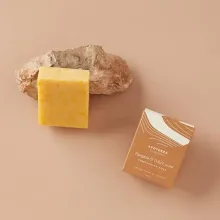
Custom product packaging is packaging built around the product's dimensions, weight, fragility, handling path, and opening sequence. Primary packaging touches the product directly, while secondary packaging carries the primary package to the buyer. A single box can do both jobs when it has to hold the product and travel to its destination. The distinction matters because the board, insert, print, and closure have different work to do.
Custom Packaging Lane is a US-based packaging supplier with a 100-unit MOQ. Pricing can be from $0.49 per unit at volume, quoted to spec. Free design support can help draw the dieline, the flat cutting template used to print and cut the package. A digital proof comes before anything prints. Production is typically 8 to 10 business days after proof approval, plus delivery. Free US shipping is available.
How should product packaging protect goods in transit?
Product packaging should address compression, impact, and movement inside the package. Compression comes from stacking, impact comes from drops and handling, and movement lets the product strike the box wall. Board grade and flute choice should follow the product's weight, shape, and shipping path rather than a guess made from appearance.
Corrugated flute is the wave-shaped paper layer inside a corrugated board. E-flute is thinner and prints finer detail than B-flute, while B-flute is thicker and is used when stacking strength matters more. A folding carton can work for a light product that already has protection. A corrugated structure is better suited to a package that must handle a rougher delivery path.
How do inserts stop a product from moving?
An insert holds the product in a fixed position, while void fill closes empty space around it. The insert controls side-to-side movement and can also set the order in which the customer sees the product, card, and interior print. Void fill can use paper, air pillows, or a formed piece, but the right choice follows the product shape and the room left inside the box.
Fit matters more than decoration. An insert cut to the product's actual form reduces rattling, while a loose cavity lets the product move into the walls during handling. Share the product dimensions with any wrap, cap, or accessory that will be packed with it. That detail belongs in the dieline and the proof, not in a last-minute packing note.
Should a product use primary and secondary packaging?
Use both layers when the product package needs its own presentation or protection inside a separate shipper. Use one structure when the same box can protect the product, carry the required information, and survive its delivery path.
| Packaging layer | Main job | Decision to settle |
|---|---|---|
| Primary packaging | Touches or closely holds the product | What must the customer see and handle first? |
| Secondary packaging | Carries the product package through delivery | What must resist movement and outside handling? |
| One structure for both | Holds the product and ships it | Can the same board and closure do both jobs? |
A food packaging project needs a separate discussion of the product and the contact surface. If the package may touch food, ask us about food-contact options for your product before the proof is finalized.
How do board and finish change the product experience?
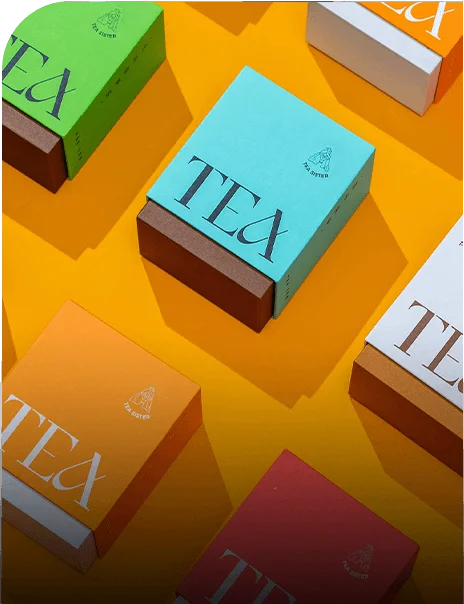
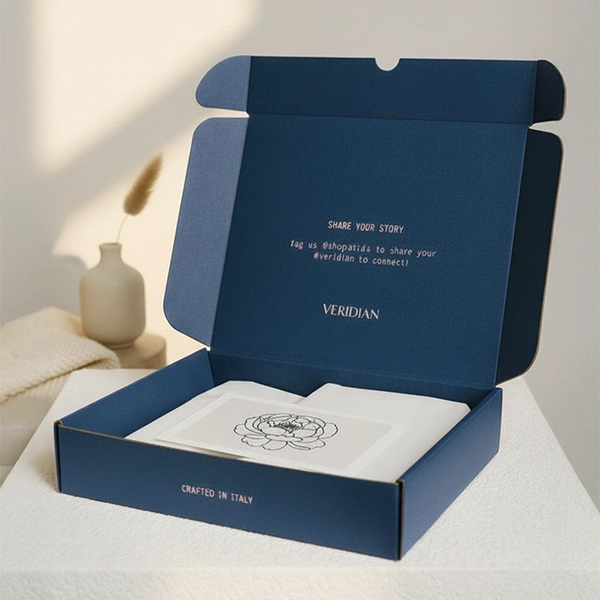
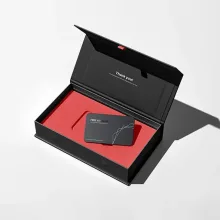
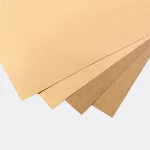
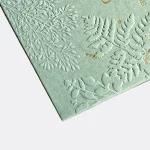
Board changes the way a package folds, prints, stacks, and feels in the hand. A rigid box is built from chipboard wrapped in printed paper, so it holds its shape without a folding carton crease. A folding carton uses paperboard and folds along scores. A corrugated mailer uses a fluted middle layer for more structure during shipping. Matte and gloss finishes then change reflection, surface feel, and how the artwork reads under light.
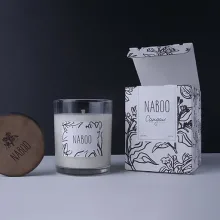
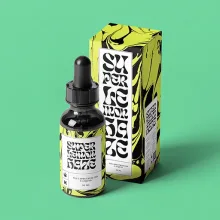
Review custom rigid boxes when the box itself needs a firm presentation. Review custom mailer boxes when the package must close and travel. The product page for custom product boxes gives another starting point for a structure-led conversation.
What should a product packaging brief include?
A product packaging brief should include the product dimensions, weight, fragility, opening method, artwork status, quantity, destination, and the way units will be packed for delivery. Record how many boxes nest in a master carton and how many cartons the pallet plan needs. Free design support can turn those inputs into a dieline and digital proof before printing.
- Describe the product, protective wrap, and included pieces.
- State whether the package is primary, secondary, or both.
- Identify the board, flute, insert, finish, and artwork questions still open.
- Ask about food-contact options if the product may touch the package.
What do custom product packaging quotes need to cover?
A quote needs the product, structure, quantity, artwork status, destination, and the package job. Orders use a 100-unit MOQ. Pricing can be from $0.49 per unit at volume, quoted to spec. Production is typically 8 to 10 business days after proof approval, plus delivery. The production window starts after proof approval, not when the first idea is sent.
The sample kit is $19.99 and gives a buyer a physical way to test fit, board feel, and movement before a full run. Free US shipping is available. Send the brief through contact us, or start with the broader custom packaging solutions path when the structure is still open.
Frequently Asked Questions
Can one box act as both primary and secondary packaging?
One box can act as both primary and secondary packaging when it can hold the product, carry the needed information, and survive its delivery path. Use separate layers when the product package needs its own presentation or added protection inside a shipper. The decision follows product fragility, handling, and opening sequence.
What is an insert in product packaging?
An insert in product packaging is a fitted piece that holds the product in a fixed position inside the box. It reduces side-to-side movement and can set the order of the opening sequence. Share the product shape, protective wrap, and included pieces so the insert fits the packed product rather than an empty sample.
Which corrugated flute is right for a product box?
Corrugated flute choice follows the product's weight, print detail, and shipping path. E-flute is thinner and prints finer detail than B-flute, while B-flute is thicker and is used when stacking strength matters more. The right choice also depends on whether the box is a folding presentation package, a mailer, or both.
What is the minimum order for custom product packaging?
The minimum order for custom product packaging is 100 units. The 100-unit MOQ starts the quote discussion, while the final project still needs the product dimensions, structure, artwork, destination, and protection requirements. Free design support is included during the dieline and proof stage.
When does production begin for product packaging?
Production for custom product packaging is typically 8 to 10 business days after proof approval, plus delivery. The production window begins after the buyer approves the digital proof, so product measurements, dieline edits, and artwork review need to happen before approval. Free US shipping is available.