






















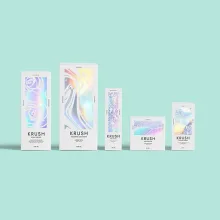
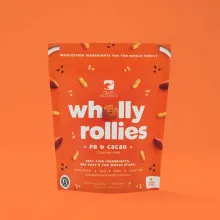
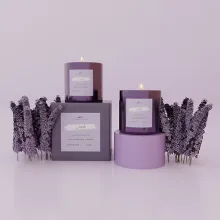
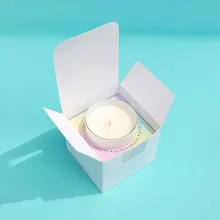



































Which custom packaging format fits the way you ship?
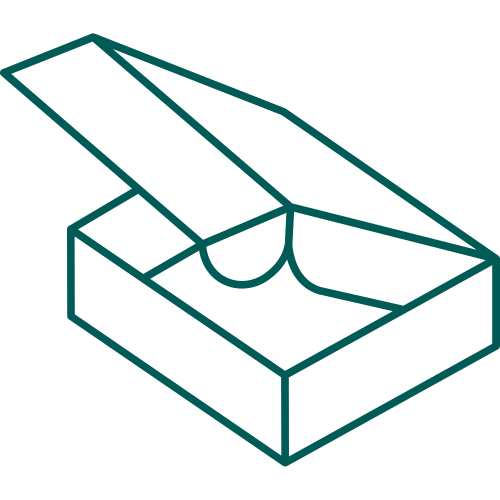
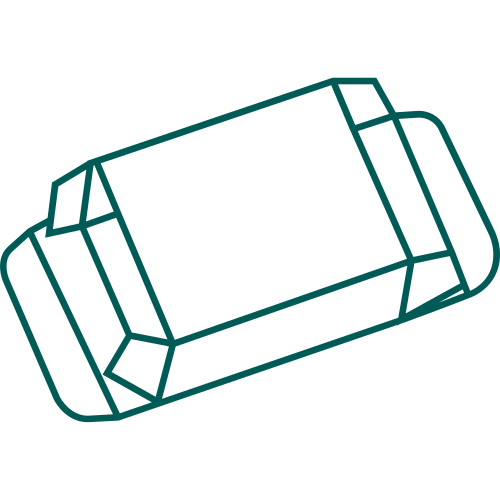
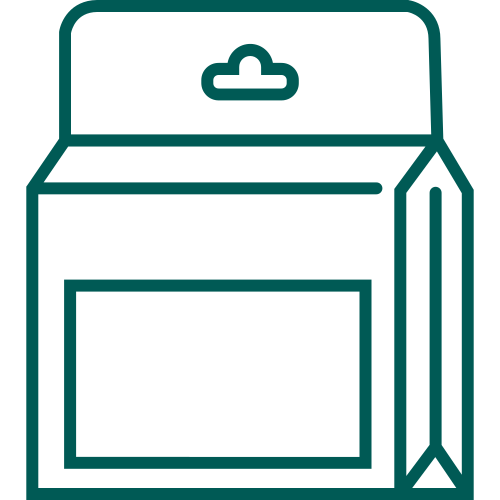
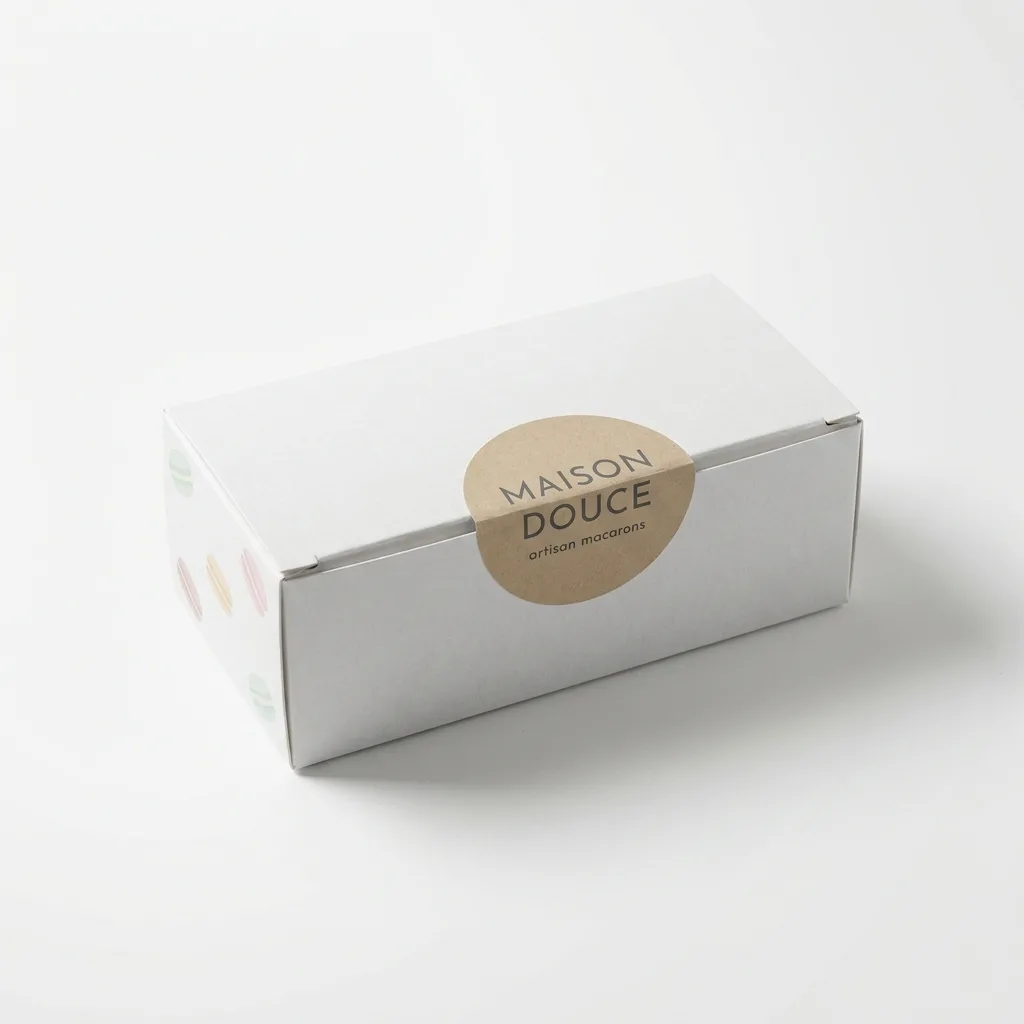
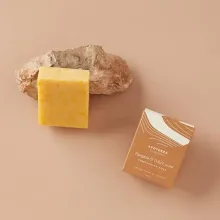
The right custom packaging format depends first on whether the package ships on its own, sits inside another shipper, or goes onto a retail shelf. A mailer box is a corrugated box with closing flaps that can travel through fulfillment. A folding carton is paperboard cut and creased flat, while a rigid box is chipboard wrapped in printed paper and holds its shape.
A tin is another option when a metal format suits the product presentation. Compare custom tin packaging with the box formats before choosing the structure.
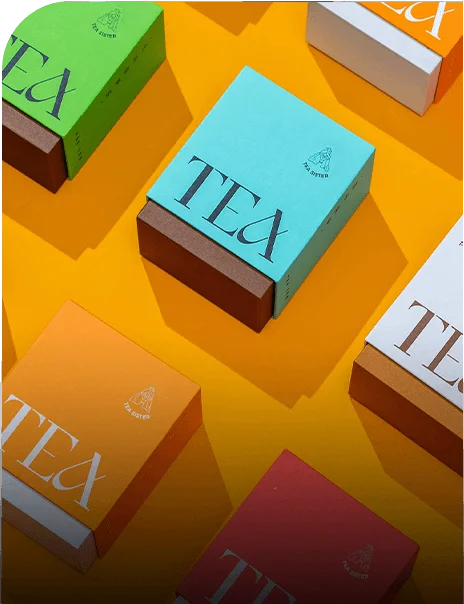
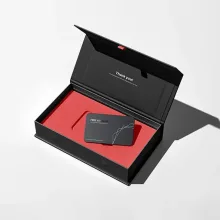
Rigid boxes are common in luxury packaging when the package needs a formed presentation.
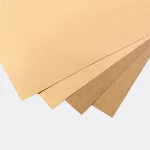
Kraft packaging uses unbleached board and keeps the surface closer to its natural brown appearance. Corrugated board has a fluted middle layer between liner sheets. That flute adds thickness and cushioning, while the outer liner gives the printer a surface for ink.
| Format | Construction | Ships on its own | Typical starting use |
|---|---|---|---|
| Mailer box | Corrugated board with closing flaps | Yes | Ecommerce orders and subscriptions |
| Kraft box | Unbleached board | Yes | Coffee, wellness, and refills |
| Folding carton | Printed paperboard, cut and scored flat | Usually inside a shipper | Retail shelves and lightweight goods |
| Rigid box | Chipboard wrapped in printed paper | Usually inside a shipper | Gifting, jewelry, and electronics |
What board and finish tradeoffs should you compare?
Board and finish should match the handling job, print detail, and surface you want customers to touch. E-flute and B-flute are corrugated profiles with different thickness and handling tradeoffs. Typical industry references place E-flute around 1.2 to 2 mm thick and B-flute around 3 to 4 mm, with mill variation. E-flute gives a finer print surface and smaller fold profile. B-flute gives more thickness for cushioning and stacking.
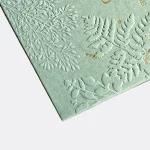
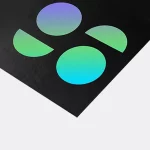
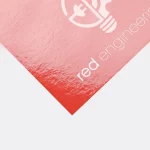
Matte lamination lowers surface reflection and hides light scuffs better than a high-shine surface. Gloss lamination increases reflection and makes printed color look brighter. Spot UV cures a selected area hard and glossy, but it can crack across a score and is harder to write on. Keep finish decisions away from folds and glue tabs.
For a food or ingredient product, start with food packaging questions and ask us about food-contact options for your product. A printed appearance or board choice does not answer that product-specific question.
How do you choose between a mailer box and a rigid box?
Choose a mailer box when the package must fold, close, and travel through a carrier network. Choose a rigid box when the package should arrive as a formed box and the presentation justifies an outer shipper. The custom mailer box and custom rigid box pages show the two structures side by side.
A mailer starts with packed dimensions and handling. A rigid box starts with the product presentation, wrapped board, lid or base structure, and the way the finished box will be shipped. Do not size either format from the product alone. Include the product, any insert, and the clearance needed to load it.
What packaging problem are you trying to solve?
Damage in transit is usually a board, clearance, or insert problem, not a print problem. An insert is a cut or folded internal piece that holds the product in place. If the insert is too large, the product rattles. If it is cut to the exact product size with no loading clearance, packing becomes difficult.
A box cut close to the packed product can reduce empty space and void fill. A fold-together mailer can reduce tape and knife work at the packing bench. These are format decisions, so state the complaint before choosing a finish.
What does a custom packaging solution cost and how long does it take?
The minimum order is 100 units, and pricing is from $0.49 per unit at volume, quoted to spec. Production is typically 8 to 10 business days after proof approval, plus delivery. Free US shipping is included, and free design support covers the dieline and proof discussion.
Use the custom packaging design guide to organize dimensions, structure, artwork, and finish questions before you request a quote. If two formats are still in contention, ask for both to be quoted with the quantity for each.
How can you check a format before approval?
The $19.99 sample kit, credited toward the first order, gives you a physical way to compare board, surface, and finish direction before approval. Hold the material, fold a score, and check whether the package feels suited to the product. Screen artwork cannot show the difference between matte and gloss as clearly as a physical sample.
Frequently Asked Questions
What is the difference between a custom mailer box and a rigid box?
A custom mailer box is a corrugated box with closing flaps that folds and can ship on its own. A rigid box is chipboard wrapped in printed paper and holds its shape. Rigid boxes usually travel inside an outer shipper, while mailer boxes start with carrier handling and closure requirements.
Which custom packaging format is better for retail shelves?
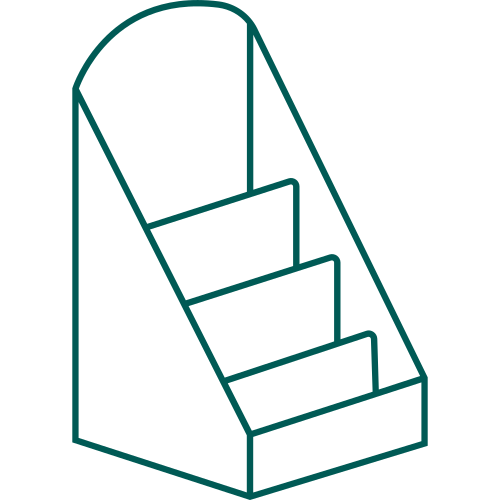
A folding carton is usually the starting format for lightweight retail goods because it is printed paperboard cut and scored flat. A rigid box fits a formed presentation that may be kept, while kraft packaging uses unbleached board for a natural surface. The product, shelf setting, and shipping method decide the final direction.
What are E-flute and B-flute corrugated board?
E-flute and B-flute are corrugated board profiles with different thickness and handling tradeoffs. E-flute is commonly around 1.2 to 2 mm thick and gives a finer print surface. B-flute is commonly around 3 to 4 mm and gives more thickness for cushioning and stacking. Actual board varies by mill.
What is the minimum order and pricing for custom packaging solutions?
The minimum order for custom packaging solutions is 100 units. Pricing is from $0.49 per unit at volume, quoted to spec, so the package format, quantity, and artwork details belong in the quote request. Free design support and free US shipping are included with the service offer.
How long does a custom packaging solution take to produce?
Production for a custom packaging solution is typically 8 to 10 business days after proof approval, plus delivery. The clock starts when the digital proof is approved, not when the inquiry begins. A $19.99 sample kit, credited toward the first order, can help you check board and finishes before approval.