In the world of design, every detail matters. The tactile experience often plays a vital role in capturing attention and leaving a lasting impression. Here, the techniques of embossing and debossing shine. They transform ordinary surfaces into extraordinary works of art. These techniques bring depth and sophistication to various materials by harnessing the power of texture. They breathe life into logos, text, patterns, and more. Let’s embark on a journey to explore the captivating realm of Emboss vs Deboss and discover how they elevate the visual experience to new heights.
Embossing creates a raised pattern or design on a material. It gives a distinct and elevated texture. This technique involves pressing or stamping a design onto the surface from underneath. It causes the chosen elements to stand out. Whether it’s a logo on a business card, an emblem on a book cover, or intricate patterns on specialty paper, embossing adds a touch of luxury and refinement. It catches the light, creating captivating shadows and highlights that engage the senses and make the design visually striking.
On the other hand, debossing creates an impression or depression on the material’s surface. It makes the design appear recessed. Debossing produces a subtle yet impactful effect by pressing the chosen elements into the material from above. It adds depth and a sense of understated sophistication to various products like stationery, packaging, and leather goods. Debossing lends an air of exclusivity and craftsmanship. It evokes a tactile experience that invites further exploration.
The Significance of Embossing and Debossing in Printing, Packaging, and Stationery Industries
In design and visual communication, various techniques add elegance and professionalism to printed materials, packaging, and stationery. Two such techniques are embossing and debossing. They are used in the printing, packaging, and stationery industries. They offer unique experiences that enhance aesthetics and leave a lasting impression on recipients.
Printing Industry
Embossing and debossing techniques have revolutionized the printing industry. They add dimensionality and depth to printed materials. Embossing creates raised designs in brochures, business cards, and book covers. This text can be felt and seen, providing a visually striking effect.
Debossing creates recessed impressions. It gives a subtle yet impactful visual and textured experience. This technique helps printed materials stand out, conveying a sense of quality, professionalism, and attention to detail.
Packaging Industry
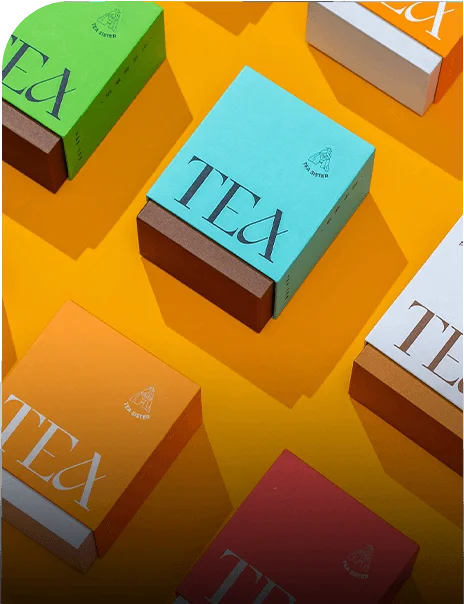
In the highly competitive packaging world, embossing and debossing play a key role. They capture consumer attention and create a memorable unboxing experience. Embossed logos, patterns, or textures on product packaging add a premium feel and communicate luxury and exclusivity. The raised elements evoke curiosity and invite touch, generating a stronger emotional connection between the consumer and the brand. With its sunken impressions, debossing lends an air of understated elegance, making the packaging visually appealing and sophisticated.
Stationery Industry
In stationery, emboss vs deboss offers a delightful hands-on experience that elevates the value of paper goods. From personalized letterheads and envelopes to journals and notebooks, embossed designs lend a touch of refinement. It makes the stationery feel premium and distinctive. With its subtle elegance, debossing can be used to create monograms or patterns. They add sophistication to notepads, diaries, and other stationery items. These techniques transform ordinary stationery into cherished possessions, perfect for gifting or personal use.
Embossing Techniques Unveiled: Blind Embossing, Foil Embossing, and Registered Embossing
In design and printing, embossing techniques offer captivating ways to enhance visual aesthetics and create an engaging tactile experience. Three popular techniques in this realm are:
- blind embossing
- foil embossing
- registered embossing
Each technique brings a unique charm and versatility to various industries, such as packaging and marketing. Explore these techniques and understand their applications, advantages, limitations, and case studies.
Blind Embossing
Blind embossing involves creating a raised pattern on paper or other materials without adding ink or foil. It relies solely on the pressure to deform the material and create the desired effect. This technique utilizes customized dies pressed against the material to create the embossed effect.
Blind embossing can be used on product boxes, labels, or bags to highlight brand logos, patterns, or textures. By creating subtle and understated impressions, blind embossing imparts a sense of luxury and exclusivity to the packaging.
Blind embossing enhances visual appeal and adds a tactile dimension. It creates a premium and refined look. No additional inks or foils required
Foil Embossing
Foil embossing combines the techniques of embossing and hot foil stamping. It involves creating raised or recessed patterns on the material. Metallic or colored foil is applied on top of the embossed areas. The foil is heat-pressed onto the embossed design, creating a captivating and eye-catching effect.
Foil embossing offers various possibilities with various foil colors and finishes. Commonly used foils include gold, silver, copper, holographic, and matte finishes. Foil embossing can be applied to paper, cardstock, leather, and plastic substrates.
Foil embossing finds extensive use in premium packaging. Such as cosmetic boxes, wine labels and luxury product packaging. It also adds a touch of elegance to marketing collateral.
Foil embossing creates a captivating metallic or colored effect. It enhances brand identity and premium feel.
Registered Embossing
Registered embossing refers to aligning embossed elements precisely with printed elements. It involves careful registration during printing to achieve accurate alignment. This technique ensures that embossed designs align seamlessly with other printed elements on the material.
Registered embossing provides opportunities for creative and impactful designs. It creates a cohesive and visually striking presentation.
Discovering Debossing Techniques: Blind Debossing, Foil Debossing, and Combination Debossing
Debossing techniques have gained immense popularity in various industries, such as printing, packaging, and stationery. The technique involves creating recessed impressions on a material. There are three popular debossing techniques:
- blind debossing
- foil debossing
- combination debossing.
Each technique brings its unique charm, creative possibilities, and customization options.
Blind Debossing
Blind debossing is the process of creating recessed impressions on a material without adding any ink or foil. This technique is similar to blind embossing. But instead of raised patterns, it creates depressions or cavities on the material. Blind debossing uses customized dies that press against the material, creating the desired effect.
Blind debossing is popular for creating a subtle and understated effect on various materials. Such as paper, cardstock, and leather. It is commonly used in stationery items like business cards, letterheads, and invitations.
Blind debossing offers endless creative possibilities. By varying the depth and size of the depressions, designers can create unique patterns, textures, and shapes. Combining blind debossing with other techniques like foil stamping or printing opens up new customization options, allowing for a more personalized and memorable design.
Foil Debossing
Foil debossing involves combining the techniques of debossing and foil stamping. It creates recessed impressions of the material. Which are then filled with metallic or colored foil, giving a captivating and eye-catching effect. The foil is heat-pressed onto the debossed areas, resulting in a seamless design.
Foil debossing offers various colors, finishes, and materials, depending on the desired effect. Commonly used foils include gold, silver, copper, holographic, and matte finishes. Materials suitable for foil debossing are paper, cardstock, leather, and some plastic substrates.
Foil debossing finds extensive use in premium packaging, such as rigid boxes, mailer boxes and luxury product packaging. It is also used in business cards and certificates.
Combination Debossing
Combination debossing involves combining debossing with other techniques like printing or embossing, resulting in expanded design opportunities. For example, combining debossing with printing creates a unique contrast between the depressed and inked areas, creating a striking visual effect.
Combination debossing offers endless creative possibilities. By combining multiple techniques, designers can create unique patterns, textures, and shapes, enhancing the visual and tactile experience of the material. Additionally, by varying the color, texture, and finish of the materials used, designers can create personalized and memorable designs.
Emboss vs Deboss: A Comparative Analysis of Visual Impact and Aesthetics
Debossed vs embossed, both techniques rely on pressure to create raised or recessed designs on paper or other materials. However, each technique has its unique visual impact and aesthetic appeal. Let’s compare the visual effects of embossing and debossing and their influence on consumer perception and brand recognition.
Comparison of Visual Effects
Embossing and debossing both add a tactile dimension to the material. It enhances the design elements. However, embossing creates a raised effect, while debossing creates a recessed effect. Embossing creates a prominent and eye-catching effect that adds depth and texture to the material. On the other hand, debossing creates a subtle and understated effect that adds a sense of sophistication and elegance to the material.
Influence on Consumer Perception and Brand Recognition
Both emboss vs deboss significantly impact consumer perception and brand recognition. The use of these techniques creates a unique experience for the consumer. This enhances the brand’s identity and recall. A product with embossed or debossed branding or packaging creates a sense of luxury, exclusivity, and attention to detail. This can influence the consumer’s perception of the brand.
Use of Texture and Depth to Enhance Design Elements
These are effective techniques to enhance design elements. The use of texture and depth creates a visually appealing effect. It also draws attention to the design elements. Embossing creates a bold and striking effect, and debossing adds elegance and refinement to the design.
Embossing and Debossing for Industry-Specific Impact
Each technique has advantages and disadvantages, making them suitable for different industries and products. Various factors influence the choice between the two techniques.
Industries and Products Where Embossing is More Appropriate
Embossing aims to create a premium and refined look. The following are industries and products where emboss is more suitable:
Luxury Packaging: Embossing adds an element of elegance and exclusivity to premium packaging. Such as cosmetic boxes, wine labels, and high-end product packaging.
Stationery: In stationery products, such as business cards, invitations, and letterheads, it creates a distinctive and memorable look.
Book Cover Design: Embossing can add a 3D effect to book cover designs. It makes them stand out on the shelves and enhances their visual appeal.
Read More: How to Increase Customer Lifetime Value with Box Dimensions
Industries and Products Where Debossing is More Suitable
Debossing aims to create an understated look for its products. Debossing is more suitable in the following industries:
Corporate Branding: Debossing can create a sophisticated and professional look for corporate branding materials, such as notepads, journals, and portfolios.
Leather Products: It is used on leather products, such as wallets, belts, and handbags, to create a subtle and tactile effect.
Apparel Industry: Debossing can add a unique and subtle texture to clothing, such as leather jackets and denim jeans. It creates a sophisticated and stylish look.
Factors Influencing the Choice Between the Two Techniques
Several factors influence the choice between embossing and debossing, including:
Material: Some materials are better suited for embossing, while others are better for debossing. Embossing works best on thicker and sturdier materials like paper and cardstock. Debossing works best on softer and more flexible materials like leather and fabric.
Design: The product’s design also influences the choice between embossing and debossing. Embossing works best for designs that require a raised effect while debossing works best for designs that require a recessed effect.
Branding: The branding strategy of the product also plays a crucial role in choosing between embossing and debossing. Embossing creates a premium and luxurious feel, while debossing creates a subtle, understated look.
To Sum Up
Embossing and debossing techniques are significant in printing, packaging, and stationery. These techniques enhance visual aesthetics and create a lasting impression on recipients. In the printing industry, embossing and debossing bring designs to life, conveying professionalism and attention to detail. In packaging, they contribute to a memorable unboxing experience, communicating luxury and exclusivity. They elevate ordinary paper goods in stationery, making them refined and cherished. Ultimately, embossing and debossing are artistic techniques that enhance the overall quality and impact of printed materials, packaging, and stationery, making them indispensable in these industries.
Feeling overwhelmed? Let’s simplify it! Emboss vs Deboss is your path to premium product appeal. Meet Custom Packaging Lane, your exclusive looks expert.