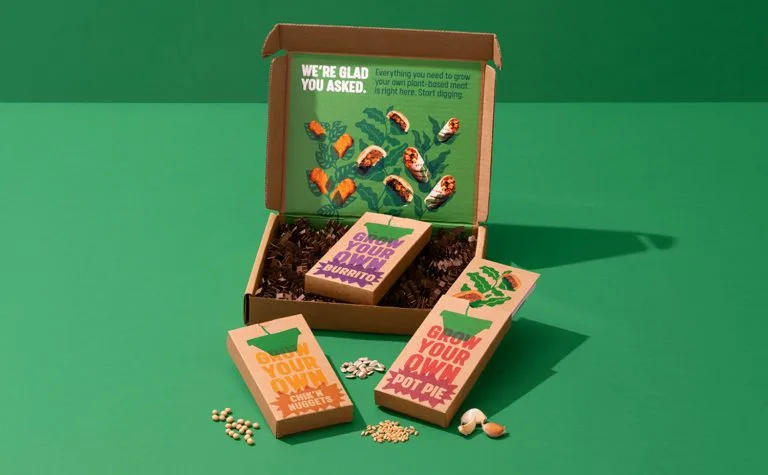
Green packaging is a packaging choice that uses recyclable, reusable, compostable, or lower-material construction where the product and shipping job allow it. Each description means something different. A paper box can still contain a coating, foil, window, or adhesive that changes how it is collected. Start with the package structure and the local recovery route, then choose the material.
What does recyclable packaging mean?
Recyclable packaging is packaging made from material that can enter a recovery stream, but acceptance depends on the local collection program and the package construction. A paperboard carton with mixed layers may be handled differently from an uncoated fiber carton. The word recyclable does not describe every part of a package automatically.
Ask what the package contains, how the pieces are joined, and whether the customer can separate them after use. A paper box, plastic window, foil layer, adhesive, and insert should be considered together. That check gives the buyer a more useful answer than a green color or a leaf graphic on the artwork.
| Material direction | What it is | Buyer check |
|---|
| Uncoated kraft paperboard | Fiber-based board with a natural brown surface | Check print contrast, grease exposure, and local recovery guidance |
| White paperboard | Paperboard with a light printing surface | Check coating, ink coverage, and whether mixed layers are present |
| Corrugated board | Paper liners around a fluted inner layer | Check flute structure, stacking needs, and pack-out clearance |
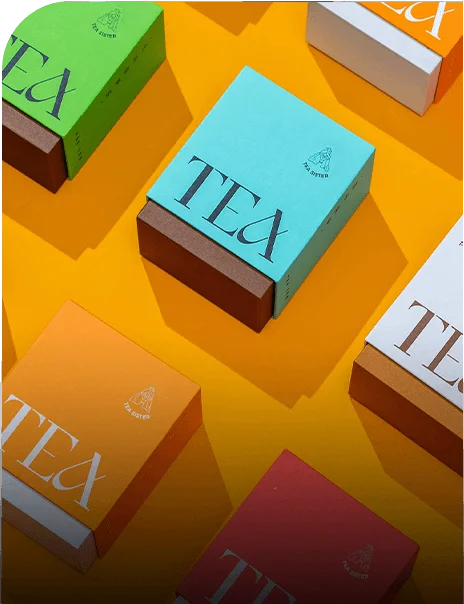
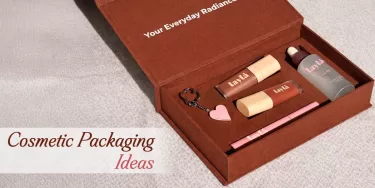
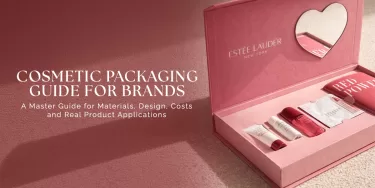
| Rigid chipboard wrapped in paper | Dense board covered with printed paper | Check the wrap, adhesive, insert, and how the package is separated |
Is kraft packaging recyclable?
Kraft packaging is often easier to assess for recycling when it remains a paper fiber package without plastic layers or mixed-material parts. The final answer still depends on the coating, ink coverage, adhesive, window, and local collection rules. A brown surface alone does not prove that every part of the package follows the same recovery path.
Choose kraft when its surface, print contrast, strength, and product contact needs fit the job. If the package needs a smooth white panel for detailed artwork, compare white paperboard with an uncoated kraft direction before approving the file.
Do coatings change recyclable packaging?
Coatings can change recyclable packaging because lamination, foil, plastic windows, and heavy mixed-material layers add components that may not follow the paper stream. Aqueous coating is water-based, but that fact alone does not make a finished package recyclable or compostable. Ask for the full material construction, not only the coating name.
Matte and gloss lamination also change how the surface folds, reflects light, and handles ink. If a package needs a wipeable or moisture-resistant surface, weigh that need against the recovery route. Put the board, coating, finish, window, and insert on the digital proof and review them as one package.
How should you compare paper and flexible packaging?
Compare paper and flexible packaging by product protection, package weight, print area, opening method, storage, and recovery instructions. Paperboard gives the package a foldable structure. Flexible film can provide a barrier against light, moisture, or odor transfer when its layers are designed for that purpose. The product requirement decides which direction is practical.
Use the seed packaging product direction when a paper package needs a defined retail footprint. Compare perforated packaging when ventilation or controlled opening is part of the job. Do not choose a material because it sounds green. Choose it after checking what the product needs and what the finished construction contains.
What should you ask before ordering green packaging?
Ask for the board or film construction, coating, finish, adhesive, insert material, print process, and disposal guidance before ordering green packaging. A dieline is the flat cutting template that shows panels, scores, folds, glue tabs, cut lines, and bleed. The digital proof should show the structure and artwork together, including every window, layer, and insert.
For food-related packaging, ask us about food-contact options. Send the packed product dimensions, quantity, artwork, finish, and shipping destination. Free design support is available, and the custom packaging support page is a place to compare structures before the quote is finalized.
What are the MOQ and price for green packaging?
The MOQ is 100 units. Pricing is from $0.49 per unit at volume, quoted to spec. Production is typically 8 to 10 business days after proof approval, plus delivery. Free US shipping and free design support are available. The $19.99 sample kit is credited toward the first order. Use the kit to compare paper surfaces, coatings, and finish directions before approving the larger run.
Frequently Asked Questions
What is green packaging?
Green packaging is packaging planned around material use, product protection, reuse, recovery, or composting needs. Recyclable, reusable, compostable, kraft, paperboard, and flexible packaging describe different material directions. Check the full construction, including coatings, foil, windows, adhesives, and inserts, instead of judging the package by its color or artwork.
Is kraft packaging recyclable?
Kraft packaging can be recyclable when it remains a paper fiber package without mixed layers that change the recovery route. Coatings, foil, plastic windows, adhesives, grease, and local collection rules can affect the answer. A brown surface does not prove that every part of the finished package follows the same recycling path.
Do coatings affect recyclable packaging?
Coatings can affect recyclable packaging because lamination, foil, plastic windows, and mixed-material layers add components to the package. Aqueous coating is water-based, but it does not automatically make a finished package recyclable or compostable. Ask for the complete material construction and review the coating, board, insert, and window together.
What is the minimum order for green packaging?
The minimum order for green packaging is 100 units. Pricing is from $0.49 per unit at volume, quoted to spec. Production is typically 8 to 10 business days after proof approval, plus delivery. Free US shipping and free design support are available, and the $19.99 sample kit is credited toward the first order.
Can you provide food-contact packaging options?
Custom Packaging Lane can discuss food-contact options for food-related packaging. Ask about the intended product, package structure, board or film construction, coating, finish, adhesive, and insert before approval. Do not assume that a paperboard package, coating, or adhesive is suitable for food contact without project-specific discussion.