We use cookies and similar technologies. Some keep the site working. Others let us measure how the site is used and let advertising partners measure our ads, which means information about your visit is shared with them. You choose what runs. Read our Privacy Policy.
Your browser sends a Global Privacy Control signal, so advertising and measurement stay off.
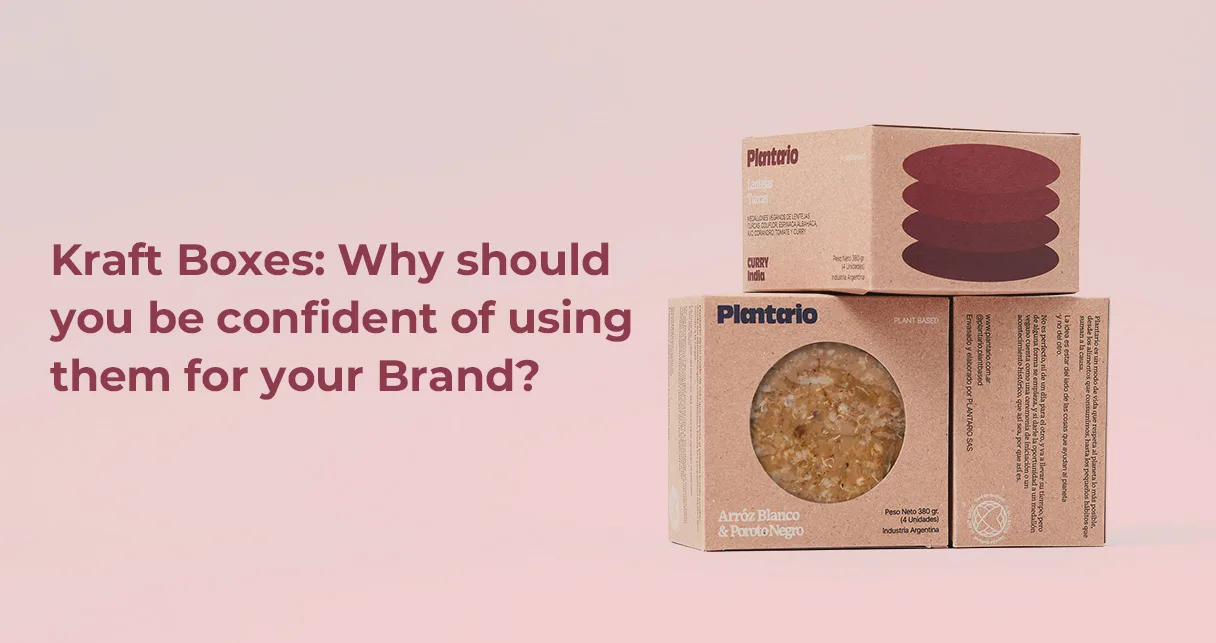
Kraft Boxes: Why Should You Be Confident of Using Them For Your Brand?
Custom Packaging Lane (custompackaginglane.com) is a US-based packaging supplier for custom kraft boxes with a 100 unit minimum, pricing from $0.49 per unit at volume, and free design support. Kraft paper keeps a natural fiber look, while white ink, matte or gloss lamination, foil, and spot UV change how the finished box reads. Production is typically 8 to 10 business days after proof approval, plus delivery. Free US shipping applies, and a $19.99 sample kit is credited toward the first order.
Kraft boxes have been a big deal in packaging for a while now. Some people think they’re not cool because they’re brown and remind them of plain cardboard boxes used for shipping, which don’t look fancy or special. However, as this blog post will demonstrate, such assumptions couldn’t be more inaccurate.
Kraft boxes are, in fact, the top choice for numerous businesses. The demand for kraft packaging is projected to increaseat a rate of 5.4% annually from 2023 to 2033. This growth is significantly higher compared to the 3.4% annual growth seen from 2018 to 2022.
The rustic aesthetic of kraft boxes serves as a key element in countless innovative branding strategies. Moreover, they’re made from 100% recycled materials, which is awesome because it helps reduce waste and protects the environment. Besides that, you can make kraft boxes look attractive because there’s a ton of room for customization.
Let’s talk more about them and how they can help make your products look stunning.
How Kraft Boxes Are Processed?
Kraft packaging is a sustainable alternative to plastic because it’s biodegradable and recyclable. Unlike plastic, which takes centuries to decompose, kraft packaging breaks down naturally over time. The process of making kraft packaging involves grinding natural wood into pulp and treating it with a mixture called white liquor, composed of sodium hydroxide and sodium sulfide. This separates the lignin from the cellulose in the wood fibers, resulting in a strong and sturdy material.
Compared to traditional paper production methods, the kraft process uses fewer chemicals, which can be recovered and reused without compromising quality. This reduces the environmental footprint of the production process.Kraft boxes can be bleached to get a lighter color, but this process weakens the fibers and increases manufacturing costs.
What Is the Difference Between Regular Paper and Kraft Paper?
Kraft paper is a sturdy, coarse brown paper made from wood pulp, renowned for its strength and durability. It’s commonly used in packaging due to its tear resistance and ability to withstand rough handling. Regular paper, on the other hand, encompasses various types like printer paper, notebook paper, and tissue paper. It’s typically thinner and more flexible, suited for writing, printing, and other everyday uses.
The key distinction lies in their composition and intended applications, with kraft paper favored for heavy-duty tasks and regular paper for lighter, day-to-day needs.
Properties
Regular Paper
Kraft Paper
Material Composition
Bleached wood pulp
Unbleached wood pulp
Color
Available in various colors
Naturally brown
Strength
Weaker due to thin fibers
Stronger due to thick fibers and Kraft process
Resistance
Less resistant to heat, moisture, tear, and rough handling
Resistant to heat, moisture, and rough handling
Recyclable
Yes
Yes
Wood Sources
Limited wood sources
Can use any wood, including pine and bamboo
Carbon Footprint
High
Low
Weight
Lightweight
Lightweight but sturdier, reduces shipping costs
Versatility
High
High
How Custom Kraft Boxes Are Beneficial?
Customized kraft boxes help reinforce branding efforts, ensuring that the packaging aligns with the company’s identity and values.
They allow for practical considerations like optimizing box size and shape for efficient shipping.
In customizing kraft boxes, nailing the design is everything.
A well-crafted box can help you shine among competitors.
A sustainable yet attention-grabbing packaging solution leaves a lasting impact on your customers, making it a vital aspect of your business strategy.
Well-customized kraft boxes drive sales, build brand loyalty, and improve the product’s perception.
5 Key Features That Make Kraft Boxes Ideal for Custom Packaging
Kraft boxes are popular for custom packaging due to several aspects.
Eco-Friendly
Kraft boxes are eco-friendly packaging solutions made from recycled materials, primarily Kraft paper. They are biodegradable, compostable, and recyclable, thus minimizing environmental impact. Kraft manufacturing consumes less energy and produces fewer greenhouse gas emissions compared to plastic. Their sustainability makes them an ideal choice for eco-conscious consumers and businesses.
Highly Durable
Kraft paper, with its uncoated and thick composition (16 to 24 points thickness), offers remarkable resistance to mishandling. Its rough texture provides added protection against scratches and chafing. Combined with an auto-lock bottom feature, it ensures secure packaging for heavier items like candle jars, mugs, and beverages. Delicate items such as jewelry and skincare products, including glass dropper bottles and small jars, are also well-protected within this durable packaging solution.
Easy to Print
Kraft boxes accommodate various printing methods such as offset, lithography, flexography, and digital printing, each offering precise reproduction of intricate designs. Soy-based inks, renowned for eco-friendliness and vibrant hues, add to the sustainability of kraft packaging. Additionally, finishes like embossing, matte, gloss coatings, or foil stamping can increase the aesthetic appeal of packaging while preserving print quality.
100% Recyclable
Opting for kraft packaging is a wise environmental choice because it’s ecologically safe. It’s better to avoid using plastic or special coatings to speed up its decomposition. If you have cut-out windows, refrain from covering them with non-compostable materials like plastic transparent films because these can take a long time to break down in landfills and may contribute to environmental pollution.
Aside from that, kraft packaging is recyclable, enabling you to reuse old boxes for new ones, further reducing waste.
Budget-Friendly
Kraft boxes are highly cost-effective – thanks to their durability, recyclability, and versatility. They demand minimal resources for manufacturing. They are light in weight, hence lower shipping expenses. Being recyclable, they reduce waste management costs. Also, their durability guarantees products remain protected, further cutting down on potential losses.
How to Customize Kraft Boxes?
To customize Kraft boxes, you can follow these 6 steps:
Design Selection:
Start by deciding on the design you want for your Kraft boxes. This could include the shape, size, and any specific features you desire, such as window cutouts or handles.
Material Selection:
Since you’ve chosen Kraft boxes, you already have a natural, eco-friendly option. However, you might want to consider variations in thickness or finishes like matte or glossy.
Printing or Labeling:
Determine whether you want to print directly onto the boxes or use labels. Printing can offer a more professional look, while labels provide flexibility for smaller batches or changing designs.
Customization Options:
Explore additional customization options such as embossing, foil stamping, or spot UV coating to add texture and visual interest to your boxes. You can also add QR codes, hang tags, inserts, dividers, ribbons, etc., for increased practicality.
Brand Integration:
Incorporate your branding elements, such as logo, colors, and taglines, to ensure your boxes align with your brand identity and enhance brand recognition.
Quality Control:
Before finalizing your order, make sure that the design meets your expectations by reviewing samples and conducting quality checks.
Pro Tips for Printing Kraft Packaging for Optimal Results
When preparing to print on Kraft boxes, it’s essential to acknowledge the unique characteristics of the brown substrate. Achieving a design that stands out against this backdrop demands careful consideration. From color selection to design intricacies, each element plays a central role in crafting captivating and impactful packaging.
Remember the following points before printing on kraft boxes:
Consider the brown background of Kraft boxes; lighter colors may appear duller.
Opt for bold fonts and dark colors to enhance visibility and ensure your design pops.
Test prints to evaluate how your design translates onto the Kraft surface.
Incorporate minimalistic designs or use negative space wisely for clarity and visual appeal.
8 Common Structural Designs for Kraft Packaging
There are numerous styles of kraft packaging with different closure mechanisms. Each type of Kraft box offers unique features and benefits, allowing you to choose the most suitable option based on your:
Packaging requirements
Product specifications
Branding preferences
These include:
Tuck Top Boxes:
These boxes have a tuck-in top closure, providing a sleek and professional appearance. Tuck-top boxes are versatile and can be used for a wide range of products, including food items, cosmetics, and gifts.
Two-Piece Boxes:
Also known as detachable lid boxes, two-piece boxes consist of a separate base and lid that fit together snugly. They offer a luxurious packaging option for high-end products and are often used for gift packaging, premium cosmetics, and gourmet food items.
Lock Bottom Boxes:
These boxes have a reinforced bottom that securely locks into place when assembled. They are best for additional stability and strength. Moreover, lock bottom boxes are ideal for heavier items or products that require extra protection during transportation and storage.
Crash Bottom Boxes:
Also known as auto-bottom boxes, they feature a pre-glued base that automatically pops into place when the box is assembled. This design saves time during packaging and ensures a sturdy bottom closure, making crash bottom boxes suitable for quick and efficient production lines.
Kraft Holster Boxes:
Kraft holster boxes are designed with an open top and bottom, resembling a holster. They are often used for packaging products like bottles, jars, or tubes, providing a secure fit while allowing easy access to the contents.
Kraft Sleeves:
Kraft sleeves are open-ended cylindrical or rectangular tubes that slide over another container or product. They provide additional protection and branding opportunities. They are commonly used for packaging items like candles, chocolates, or gift sets.
Straight Tuck End (STE) Boxes:
These boxes feature flaps on both the top and bottom that tuck into the front panel. The flaps are straight, providing a clean and simple closure. Further, straight tuck end boxes are commonly used for retail packaging of various products.
Reverse Tuck End (RTE) Boxes:
Similar to straight tuck end boxes, reverse tuck end boxes have flaps on both the top and bottom, but they tuck into the rear panel instead of the front. This design provides a secure closure and easy access to the contents. Also, reverse tuck end boxes are often used for items like cosmetics, pharmaceuticals, and electronics.
Get FSC-Certified Kraft Packaging Made Just For You!
Looking for eco-friendly packaging solutions? At Custom Packaging Lane, we specialize in crafting FSC-certified Kraft boxes to meet your exact specifications. With our expertise in customizable designs and sustainable materials, we deliver packaging that reflects your brand’s commitment to the environment. Let us create bespoke Kraft boxes that align perfectly with your vision and values.
To request a free quote, contact us now at (650) 761-6703 or email inquiry@custompackaginglane.com and enjoy our special discounts and deals on bulk orders!
Walk into any beauty store or scroll through an online cosmetic shop and you’ll notice one thing immediately. Many products look similar, but only a few actually stand out. Most of the time, it’s not the formula doing that. It’s the packaging. Cosmetic packaging ideas are not just about making a product look good. They […]
Cosmetic packaging plays a direct role in how products are perceived, handled, and purchased. A well-structured cosmetic packaging setup improves shelf visibility, protects products during shipping, and strengthens brand consistency across different sales channels. For modern brands, packaging is no longer limited to appearance. It involves choosing the right materials, structure, and printing methods based […]
Advent calendar has become a familiar sight across the United States every December. They are everywhere whether in homes, offices, classrooms, retail stores, and even in online shopping feeds. Parents use them to make their kids more excited for Christmas morning. Adults buy them to make their seasonal treats or gifts plans more enticing. Brands […]
Black Friday is the biggest chance for US and Canadian brands to grow. In 2024, shoppers in the United States alone spent $10.8 billion online—a 10.2% jump from 2023. Around the world, people spent a staggering $74.4 billion during Black Friday. Exclusive Black Friday Packaging plays a major role is boosting the sales to new […]
The moment we prepare to enjoy a holiday, candy brands have a fantastic opportunity to increase sales. Holidays are about flavor and specialness. It’s that sense of wonder when opening something so unique, a thrill that begins long before the first bite. And it all happens with the impressive presentation. A chocolate bar becomes an […]
Subscribe to our newsletter to get 30% off on your next order
Custom Packaging Lane is a US-based box packaging and printing firm. We specialize in creating unique and personalized packaging solutions tailored to meet the needs of your brand and product.
What makes kraft paper different from regular paper?
Kraft paper is made by chemical pulping that keeps much of the wood fiber structure intact. That fiber structure gives kraft paperboard good tear resistance and fold strength. GSM means grams per square meter, the standard way paper weight is compared. Natural kraft is brown because the fibers retain their wood tone. Bleached kraft is lighter, so printed colors look cleaner and small type stays easier to read.
The choice is practical. Natural kraft suits a plain, fiber-forward look, but its brown base changes the color of ink. A bright blue printed on brown will look quieter than the same blue on white board. White ink under a color area creates a brighter base. Ask for that treatment when a logo needs to match a digital file closely.
Which kraft board should I choose for a product box?
Choose the board after you know the packed product weight, how the box will travel, and whether the box needs to fold flat. Paperboard works for many retail cartons. Corrugated board adds a fluted inner layer between liners, so it gives a shipping box more thickness and stacking strength.
Board choice
Typical industry range
Practical use
Folding kraft paperboard
250 to 400 GSM
Light retail cartons and sleeves
Heavier folding paperboard
400 to 600 GSM
Stiffer presentation cartons
E-flute corrugated
About 1.5 mm
Fine print with added protection
B-flute corrugated
About 3 mm
More cushion for shipping
These are typical industry ranges, and the actual caliper varies by mill and construction. E-flute has a tighter flute profile, which gives a flatter print surface. B-flute has deeper flutes, which gives the box more cushion. A sample folded around the real product settles the choice faster than a board label alone.
Which finishes work on kraft boxes?
Matte lamination, gloss lamination, spot UV, and foil are common finishes for kraft boxes, and each changes how the surface handles light and ink. Uncoated kraft absorbs more ink than coated white board, so large dark areas can look softer and show more variation. Matte lamination lowers surface shine and hides some handling marks. Gloss lamination reflects more light and makes printed color look brighter. Spot UV puts a localized glossy coating over selected artwork. Foil adds a metallic film to a defined area. Finishes add steps, so place them after the structure and artwork are settled.
For a starting point, compare the construction on custom kraft cardboard boxes with the shipping format on custom kraft mailer boxes. A soap carton and a mailer face different handling conditions. The right reference is the one closest to the product, not the one with the loudest finish.
How should I prepare artwork for kraft packaging?
Prepare kraft packaging artwork on a dieline that matches the packed product and its closure. A dieline is the flat cutting and folding template for a box. It shows panels, glue tabs, scores, cuts, and safe areas before the artwork is placed. Send the packed product dimensions, not a guess based on a product photo. Leave clearance for an insert, but do not leave enough room for the product to rattle. A hand mockup catches that problem before the press run.
Keep type and barcodes away from score lines and glue tabs. Extend background color past every cut edge by the bleed allowance specified on the dieline. RGB artwork can shift when it is converted for press, especially in dark colors. A digital proof is the checkpoint for panel order, logo placement, ink coverage, and barcode size. We draw the dieline free and send the proof before anything prints.
What are the minimum, price, and timing for kraft boxes?
The minimum order quantity is 100 units. Pricing is from $0.49 per unit at volume, quoted to the box size, board, print, and finish. Production is typically 8 to 10 business days after proof approval, plus delivery. The clock starts at proof approval, not when an inquiry form is sent. Free US shipping is included, and the $19.99 sample kit is credited toward the first order.
Send product dimensions and the intended quantity to start a quote. If you are still comparing board and finishes, compare custom packaging design support or look at custom kraft soap boxes for another structure reference.
Frequently Asked Questions
Are kraft boxes strong enough for shipping?
Kraft paperboard cartons suit many retail products, while corrugated kraft boxes add a fluted layer for more cushion and stacking strength. E-flute is typically about 1.5 mm thick and prints with a flatter surface. B-flute is typically about 3 mm thick and gives more cushion. Test the folded box around the packed product before ordering.
Can kraft boxes be printed in color?
Kraft boxes can be printed in color, but the natural brown paper base changes how ink looks. Dark or muted colors can appear softer than they do on white board. White ink under a color area creates a brighter base. A digital proof shows panel order, ink coverage, logo placement, and barcode position before printing.
What artwork does Custom Packaging Lane need for kraft boxes?
Custom Packaging Lane needs the packed product dimensions and artwork, or the information needed to draw the artwork structure. A dieline is the flat cutting and folding template for a box. Free design support includes drawing the dieline, and a digital proof comes before anything prints so scores, glue tabs, bleed, and type placement can be checked.
What is the MOQ for custom kraft boxes?
The MOQ for custom kraft boxes is 100 units. Pricing is from $0.49 per unit at volume and is quoted to the box size, board, print, and finish. Free US shipping is included. A $19.99 sample kit is available and is credited toward the first order.
How long does kraft box production take?
Custom kraft box production is typically 8 to 10 business days after proof approval, plus delivery. The production clock starts when the digital proof is approved, not when the quote request is sent. Custom Packaging Lane sends the proof before printing and provides free design support for the dieline.