We use cookies and similar technologies. Some keep the site working. Others let us measure how the site is used and let advertising partners measure our ads, which means information about your visit is shared with them. You choose what runs. Read our Privacy Policy.
Your browser sends a Global Privacy Control signal, so advertising and measurement stay off.
Which Business Card Finish Reigns Supreme? Matte vs Glossy Business Cards
Custom Packaging Lane (custompackaginglane.com) is a US-based packaging supplier for matte and glossy business cards; a matte or uncoated panel is the practical choice for handwriting and QR codes, while a full-face gloss should pass physical scan and handling tests. A digital proof is sent before anything prints. The minimum is 100 units. Pricing is from $0.49 per unit at volume and quoted to specification. Production is typically 8 to 10 business days after proof approval, plus delivery. Free US shipping and free design support are included. A $19.99 sample kit is available and credited toward the first order.
As business enthusiasts, we know that making an unforgettable impression on potential clients is crucial. And what better way to do so than with a sleek and polished business card? However, the feud between matte vs glossy business cards has puzzled many. Each option boasts perks and pitfalls. Right?
Your business card is not just a piece of paper. It’s a reflection of your brand’s image and personality. It’s the perfect way to showcase your unique style and make a lasting impression on your audience. Just think of the suave and charismatic Harvey Specter from Suits. He didn’t need much else to market his firm to clients. His personality did the job for him. The same goes for your business cards, which play a decisive role in representing your brand. It positively impacts your potential customers. So, don’t underestimate the power of a well-designed business card!
Let’s dive into this debate headfirst and investigate the traits of matte and glossy business cards to help you pick the perfect fit for your distinct tastes and requirements. So, grab a drink and prepare for an illuminating journey through business card finishes.
glossy bussiness cards
Spruce Up Business Links With Glossy vs Matte Business Cards
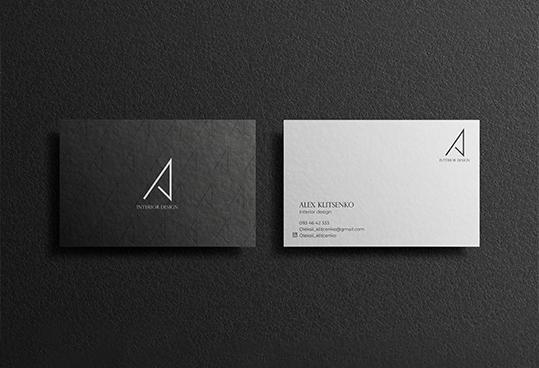
Matte and glossy options offer unique benefits. Matte finish is known for its smooth, non-reflective surface. It is perfect for a minimalist and sophisticated look. Matte business cards offer a professional feel perfect for networking events or meeting potential clients. Unlike glossy cards, matte cards don’t show fingerprints or smudges. This makes them ideal for busy professionals who must keep their cards clean and tidy.
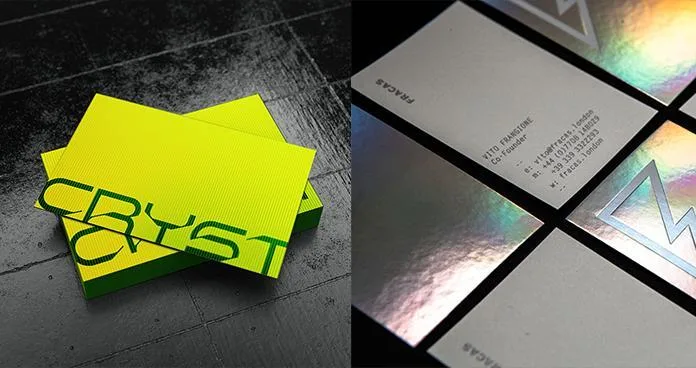
On the other hand, glossy business cards offer a shiny and reflective surface. It is perfect for businesses that want to make a bold and eye-catching statement. The glossy finish enhances the richness of colors and makes the card pop. This is ideal for businesses that rely on visuals to sell their products or services. Glossy cards also have a luxurious feel that can leave a lasting impression on clients and partners.
So, which one should you choose? It ultimately comes down to your personal preference and business needs. If you want a sleek, sophisticated look that exudes professionalism, matte cards are the way to go. But if you want to make a bold and colorful statement that stands out from the crowd, glossy cards are the way to go.
color business cards
6 Factors That Add Charm To Your Business Cards
When choosing between matte and glossy business cards, several factors should be considered to ensure that the finished product meets your expectations. Here are six key things to keep in mind:
Manufacturing
Durability
Color
Readability
Aesthetics
Cost
Manufacturing
Matte and glossy cards are produced using different manufacturing processes. Matte cards are made by coating a thick paper stock with a non-reflective finish. While glossy cards are created by adding a layer of glossy UV coating to the surface. This means that the manufacturing process may affect the final cost of the product and the quality and durability of the finished card.
Durability
Business cards are meant to last. It’s important to consider their durability when choosing between matte and glossy finishes. Matte cards are less likely to show scratches, smudges, and fingerprints. This makes them a good choice for professionals who handle their cards frequently. However, glossy cards are more resistant to water and other liquids, which can be crucial for businesses that work in wet environments or outdoors.
Color
The finish of a business card can significantly impact the vibrancy and richness of the colors on the card. Matte cards absorb more ink. This results in a softer, more muted appearance. Glossy cards, on the other hand, reflect more light. This enhances the color and makes it appear more vibrant and saturated.
Readability
The text on a business card is significant for conveying important information to clients and potential partners. Matte cards tend to have a smoother surface that is easier to read. Glossy cards may cause glare and reflection, making the text difficult to read.
readbility business cards
Aesthetics
The overall aesthetic of a business card is an important consideration. It represents the brand’s image and personality. Matte cards have a classic, sophisticated look that can work well for professionals in traditional industries. Glossy cards have a more modern, bold appearance that may better suit businesses in creative or innovative fields.
Cost
Cost is an important factor when choosing between matte vs glossy business cards. Matte cards are less expensive than glossy cards, as manufacturing is simpler and requires fewer materials. However, this may vary depending on the number of cards ordered.
An Affordable Luxe Design For Making An Impression
When designing your business cards, you want them to stand out and make a lasting impression on potential clients and customers. One way to achieve this is by choosing between matte or glossy finishes. You can follow these tips to make your matte business cards vs glossy ones stand out.
Use contrasting colors to make your design pop. Using a matte background, use glossy lettering or design elements to create a striking effect. This contrast will make your card more visually appealing and help it stand out.
Create a unique and memorable business card by incorporating texture. Raised ink or embossed designs on a matte background, or a spot UV gloss finish on a glossy background can add depth and interest to your design.
Keeping your design simple and clean is another effective way to make your business cards stand out. A minimalist approach can be just as effective as a complex design. A clean design will make reading and remembering your information easier for potential clients.
Using high-quality materials to create a professional-looking business card helps it last longer. Choose a reputable printer with high-quality paper or cardstock to ensure your cards look and feel great.
Consider adding a unique feature to your card. A fold-out design, a QR code, or a die-cut shape can make your card more memorable and add an extra touch of creativity.
matte bussiness cards
Mic Drop
Matte finish vs glossy finish business cards have unique benefits. It’s important to consider your individual needs and preferences before deciding. So, whether you choose matte or glossy, make sure your business cards represent your brand’s image and personality in the best way possible.
Looking to create a unique business card that truly represents your personality? Custom Packaging Lane has got your back! Our team of experts will help you choose the best matte finish business cards vs glossy options.
Plus, we offer 24/7 guidance and support to ensure your cards are as innovative as they are professional. Say goodbye to complaints and hello to stress-free solutions with Custom Packaging Lane.
Walk into any beauty store or scroll through an online cosmetic shop and you’ll notice one thing immediately. Many products look similar, but only a few actually stand out. Most of the time, it’s not the formula doing that. It’s the packaging. Cosmetic packaging ideas are not just about making a product look good. They […]
Cosmetic packaging plays a direct role in how products are perceived, handled, and purchased. A well-structured cosmetic packaging setup improves shelf visibility, protects products during shipping, and strengthens brand consistency across different sales channels. For modern brands, packaging is no longer limited to appearance. It involves choosing the right materials, structure, and printing methods based […]
Advent calendar has become a familiar sight across the United States every December. They are everywhere whether in homes, offices, classrooms, retail stores, and even in online shopping feeds. Parents use them to make their kids more excited for Christmas morning. Adults buy them to make their seasonal treats or gifts plans more enticing. Brands […]
Black Friday is the biggest chance for US and Canadian brands to grow. In 2024, shoppers in the United States alone spent $10.8 billion online—a 10.2% jump from 2023. Around the world, people spent a staggering $74.4 billion during Black Friday. Exclusive Black Friday Packaging plays a major role is boosting the sales to new […]
The moment we prepare to enjoy a holiday, candy brands have a fantastic opportunity to increase sales. Holidays are about flavor and specialness. It’s that sense of wonder when opening something so unique, a thrill that begins long before the first bite. And it all happens with the impressive presentation. A chocolate bar becomes an […]
Subscribe to our newsletter to get 30% off on your next order
Custom Packaging Lane is a US-based box packaging and printing firm. We specialize in creating unique and personalized packaging solutions tailored to meet the needs of your brand and product.
Does matte or gloss mean the same coating on every business card?
No. Printers may use coated stock, a water-based liquid coating, or a bonded film, and each system behaves differently after trimming. The production specification determines pen adhesion, edge behavior, and whether a selective effect can register cleanly. Asking for matte lamination or matte coating is more precise than using the word matte alone.
Finish specification
What it is
Production check
Matte film lamination
Polymer film bonded across the printed face
Pen adhesion and edge lift
Gloss film lamination
Polymer film bonded across the printed face
Film silvering and trim-edge lift
Matte or gloss aqueous coating
Water-based liquid coating applied after ink
Coverage at trim edges
Soft-touch film
Bonded film with a velvety tactile surface
Scuffing and fingerprint pickup on dark solids
What stock works beneath matte or glossy business card finishes?
SBS, C1S, and C2S paperboard commonly fall in a 12 to 24 pt range for printed card applications. SBS is solid bleached sulfate board. C1S carries coating on one face, whereas C2S is coated across both faces. The printed faces, total ink coverage, trim method, and whether film goes on one or both sides should be set before the stock and caliper are approved.
Which business card finish works with handwriting and QR codes?
An uncoated write-in panel and a separately tested code area prevent two common field failures. Matte film is not automatically writable, so test the intended pen on the actual finished stock and allow the ink to dry. A QR code needs a quiet zone, the blank perimeter around the code, plus strong contrast and a flat location away from a trimmed edge. Scan the printed sample under overhead and angled light before approving the run.
What file setup should matte or glossy business cards use?
A standard US 3.5 x 2 in layout commonly uses 0.125 in bleed on each edge and images near 300 ppi at final size. Convert RGB artwork for press before judging color, keep small type away from trim, and confirm that the black build is suitable for the chosen process. Digital printing can suit short runs or multiple versions. Offset CMYK can suit a longer run when color control and press setup justify it.
How should a business card finish be approved before the full run?
A printed sample is the practical test for pen adhesion, trim position, coating registration, and surface marks. A digital proof confirms content and orientation, but a press check, an inspection of printed sheets while the job is running, evaluates ink density and finish alignment on the chosen stock. Low-resolution logos, missing bleed, and type placed too near trim should be corrected before release.
For card presentation projects, see custom packaging design, custom greeting card packaging, and wedding card boxes. The minimum is 100 units, volume pricing is from $0.49 per unit and quoted to specification, and production is typically 8 to 10 business days after proof approval, plus delivery. Free US shipping and design support are included. The $19.99 sample kit is credited toward the first order.
Frequently Asked Questions
Should business cards be matte or glossy?
Choose by the card's required task, not by a generic quality ranking. A card that must accept handwriting needs a tested uncoated panel, even if the remaining surface is matte. A full-face film should be checked for edge lift after trimming. The exact coating system matters more than the matte or gloss label alone.
Can I write on a matte business card?
A matte label does not automatically make a business card writable. Matte film can resist some pens, while an uncoated stock or designated write-in panel usually accepts ink more consistently. Test the exact pen on a finished sample and allow it to dry before approving production, because screen appearance cannot predict pen adhesion.
What finish is best for a business card with a QR code?
The best finish for a business card QR code is a matte or uncoated code panel that passes a scan test after printing. Keep the code on a flat area with strong contrast and a quiet zone, the required blank perimeter around the code. Test it with several phones and angles rather than judging scan performance from a monitor.
Is matte lamination the same as matte-coated paper?
No. Matte lamination is a bonded film, while matte-coated paper gets its surface character from the sheet or a liquid coating. The distinction affects pen adhesion, edge behavior, and how selective finishes register. A quote and proof should name the actual system rather than only the word matte, then the finished sample should be tested for its intended handling.
What artwork file is needed for matte or glossy business cards?
A common US business card file is built at 3.5 x 2 in with 0.125 in bleed on each edge and images near 300 ppi at final size. Supply press-ready CMYK artwork, keep essential type inside the printer's safe area, and outline or package fonts. Confirm every requirement against the printer's template before release.