


























































When does a rigid box make sense?
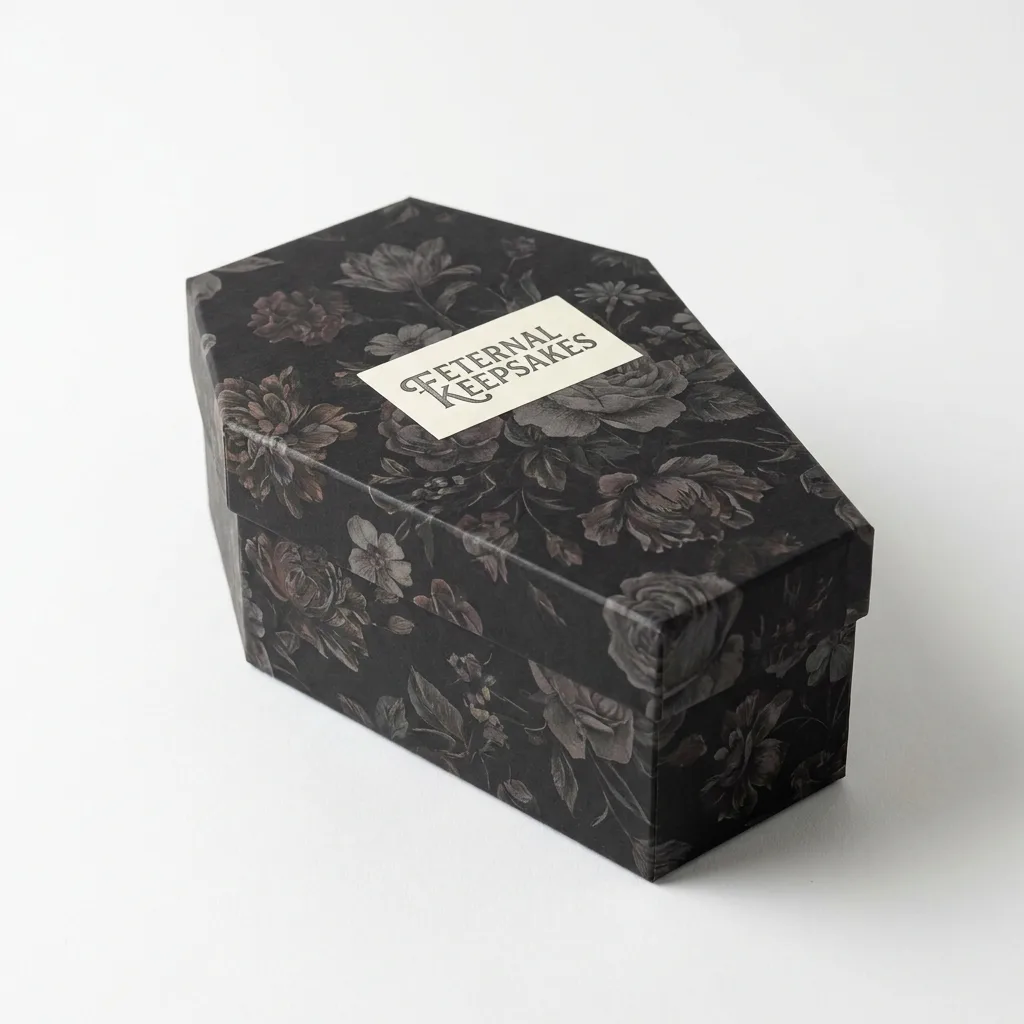
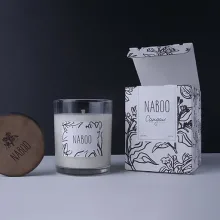
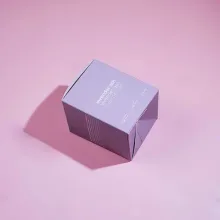
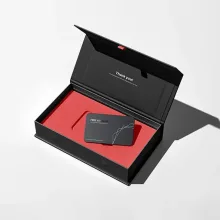
A rigid box fits when the package structure is part of the presentation. A rigid box is generally built from chipboard wrapped in printed paper, so it holds its shape instead of relying on a folded corrugated wall. That construction suits a product that needs a firm base, a defined lid, or a presentation-led opening.
Rigid does not answer every packaging job. A package that travels straight to a customer may need a mailer, while an outer carton may need to stay focused on shipping. Start the comparison with the product, the opening experience, the fulfillment route, and the quantity.
Which package format matches the presentation goal?
The package format should match the moment when the buyer sees, opens, and handles the product.
Begin with rigid printed boxes when structure carries the presentation. Compare custom mailer boxes when the outbound package should deliver the branded experience. Review custom shipping boxes when the box is mainly the outer carton. CPL is a US-based packaging supplier with free design support for the format and dieline discussion.
| Packaging path | How the structure behaves | Buyer decision |
|---|---|---|
| Rigid printed box | Chipboard wrapped in printed paper holds shape | Use when presentation depends on a firm structure |
| Custom mailer box | Folded box combines shipment and opening | Use when the parcel is part of the customer experience |
| Custom shipping box | Outer carton stays focused on movement through fulfillment | Use when transit is the primary box job |
What can a sample reveal before approval?
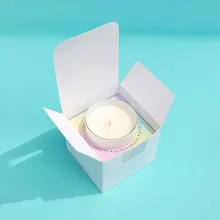
A physical sample can reveal scale, opening sequence, lid movement, product fit, and the amount of empty space around the item. Those details are hard to settle from a flat screen when the disagreement is about structure rather than artwork.
CPL's sample kit is $19.99, credited toward the first order. Use it before final proof approval if stakeholders need a physical reference. Check whether the product sits firmly, whether the opening makes sense, and whether the chosen format still matches the fulfillment route.
What should a presentation-led proof show?
A presentation-led digital proof should show the dieline, panel order, artwork orientation, scores, glue tabs, bleed, and finish direction. A dieline is the flat cutting template that tells the printer where the box is cut, folded, and joined.
Check the artwork at the points where the package changes shape. Type too close to a score can become hard to read after folding. Low-resolution art can look acceptable on a small screen and fail at print size. RGB art can shift when converted for press. CPL sends a digital proof before anything prints, so those corrections belong before approval.
Does the quantity change the rigid-box comparison?
Yes. A rigid-box comparison should begin with the actual requested quantity because structure, artwork, and quote terms are tied to the project specification. CPL has a 100-unit MOQ. Pricing is from $0.49 per unit at volume, quoted to spec.
Production typically takes 8 to 10 business days after proof approval, plus delivery. Free US shipping and free design support are part of the CPL offer. Keep internal presentation reviews before proof approval, then ask for current project terms using the selected format and destination.
What should you ask about special-use packaging?
If the package may touch food, ask us about food-contact options for your product. If the product needs a child-resistant feature, describe the intended use and ask what can be built into the package. Child-resistant is a feature discussion, not a certification claim.
Send the product dimensions, opening preference, artwork status, quantity, and delivery destination. When the format still needs sorting, use the custom packaging solutions hub and request a project-specific quote.
Frequently Asked Questions
Why compare CPL with Refine Packaging?
Custom Packaging Lane is a Refine Packaging alternative for buyers comparing presentation, structure, and ordering support. CPL has a 100-unit MOQ, free design support, and free US shipping. The right comparison should use the same product, format, quantity, artwork status, destination, and proof requirements for each supplier.
What makes a rigid box different from a mailer?
A rigid box is generally built from chipboard wrapped in printed paper, so it holds shape for a structure-led presentation. A mailer is a folded box that can combine shipment and opening. Choose between them based on product fit, opening sequence, fulfillment route, quantity, and artwork needs.
What does the CPL sample kit cost?
The Custom Packaging Lane sample kit is $19.99, credited toward the first order. It can help stakeholders judge scale, lid movement, product fit, and empty space before approving a digital proof. Use the physical reference when the decision depends on structure rather than a screen view of the artwork.
What does CPL include before printing?
Custom Packaging Lane provides free design support and sends a digital proof before anything prints. The proof should show the dieline, artwork orientation, scores, glue tabs, bleed, and finish direction. Review the final file, selected format, quantity, and destination before proof approval.
How long should a Refine alternative take to produce?
Custom Packaging Lane production typically takes 8 to 10 business days after proof approval, plus delivery. The clock starts after the buyer approves the proof, so artwork preparation and internal presentation reviews happen earlier. Free US shipping is part of the stated CPL offer.