
























































Are you comparing a catalog purchase with a custom box project?
A Uline custom boxes alternatives search often hides a basic choice: do you need a box selected from an existing purchasing pattern, or do you need the packaging itself to be shaped around a product and brand? Those are different briefs. A custom project should state the box role, artwork status, quantity, destination, and proof path before a supplier is judged.
Custom Packaging Lane is a US-based packaging supplier with a 100-unit MOQ. Pricing can be from $0.49 per unit at volume, depending on the project. Free design support and free US shipping are part of the offer. Production typically takes 8 to 10 business days after proof approval, plus delivery. The process is a fit for buyers who want the custom decision made explicit.
Which alternative makes sense when the box itself is part of the product?
Use CPL as the first comparison when the package needs a defined role rather than a generic carton description. The conversation can start with what the customer receives, how the order moves through fulfillment, and what the artwork needs to communicate. That is more useful than asking for a box without describing its job.
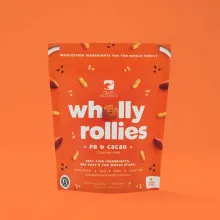
- Custom mailer boxes fit branded direct shipment.
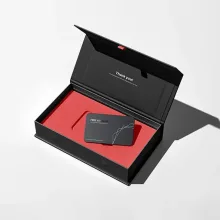
- Rigid printed boxes fit structure-led presentation.
- Custom shipping boxes fit an outer-carton fulfillment role.
- Free design support fits a brief that needs artwork direction before proof approval.
When should a standard purchasing pattern become a branded box brief?
Make the change when the product needs a particular fit, a defined opening experience, a presentation-led structure, or artwork that is part of the customer interaction. Those needs should be written down before requesting terms. Include the product, approximate dimensions, selected box role, quantity, artwork files, destination, and desired arrival window.
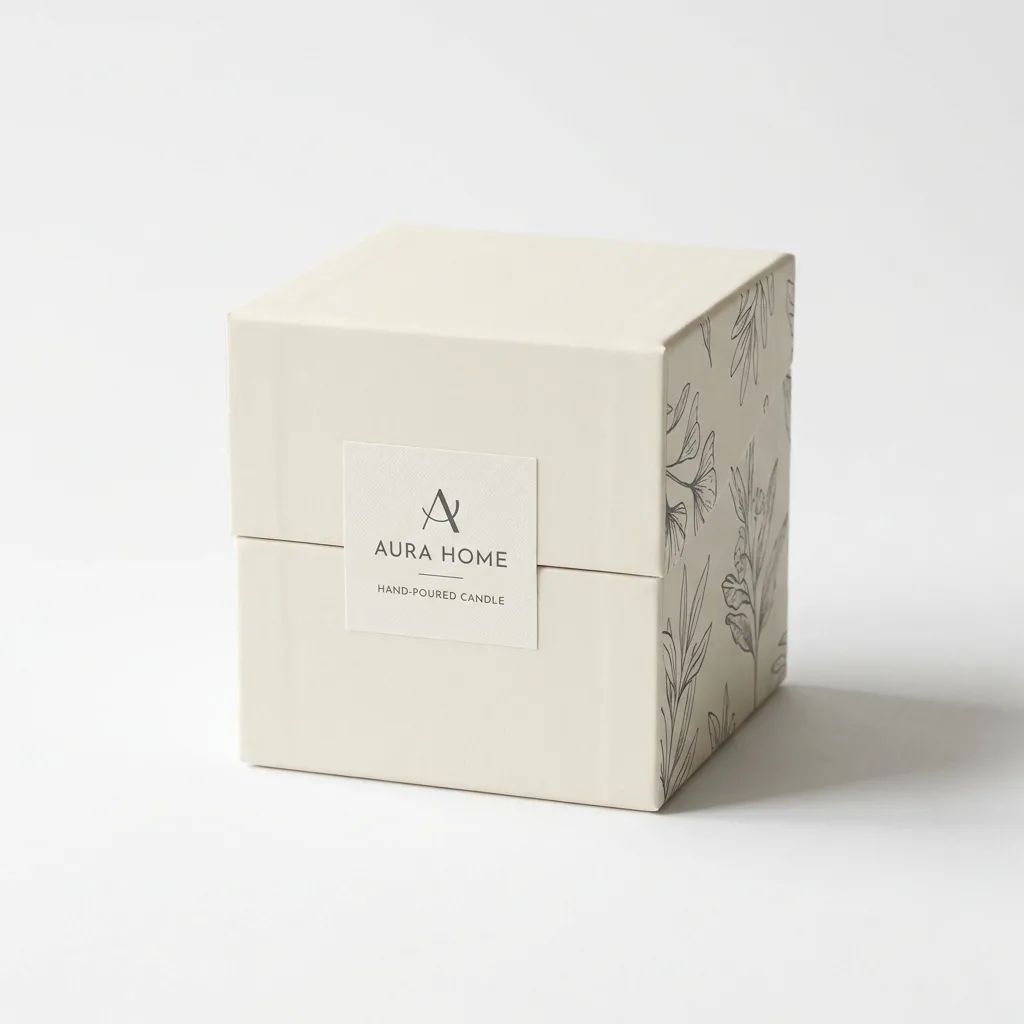
Use custom mailer boxes when the outer parcel is part of the branded delivery. Consider rigid printed boxes when structure matters to presentation. Review custom shipping boxes when the carton is primarily part of order movement.
| Decision area | Catalog-led question | Custom-box question |
|---|---|---|
| Product fit | Which existing box is close? | What structure fits the product and use? |
| Artwork | Is decoration an add-on? | What must be ready for proof approval? |
| Quantity | What purchasing amount is convenient? | Does the project fit the 100-unit MOQ and volume discussion? |
| Fulfillment | Where will the carton be stored? | How will the package move from order to customer? |
| Planning | When can the item be ordered? | When will the proof be approved, and how does delivery fit? |
How should quantity and storage enter the comparison?
Quantity is not just a purchasing field. It can affect how the team thinks about artwork approval, reorder timing, storage, and the role of the box in fulfillment. State the intended quantity clearly, then ask how the supplier wants the project described. CPL's 100-unit MOQ gives the conversation a defined starting point without pretending every project has the same final quantity.
Keep storage and delivery separate from production. Production typically takes 8 to 10 business days after proof approval, plus delivery. The estimate begins after approval, so internal review, artwork changes, and decision time should be planned earlier.
When is a sample worth adding to the process?
A physical reference is useful when the buyer is choosing between a standard-looking carton and a package with a stronger presentation role. CPL's sample kit costs $19.99. Use it to discuss structure and format with the people who will approve the project, then request a quote tied to the selected path.
How can a custom-box alternative keep the comparison honest?
Send the same project brief to each provider. Record the format, quantity, artwork status, proof milestone, shipping treatment, production estimate, destination, and any open questions. Do not compare a stock-style description with a customized quote and call the difference a supplier advantage. Compare like with like, then confirm current commercial terms directly.
CPL pricing can be from $0.49 per unit at volume depending on the project, with free US shipping and free design support in the stated offer. For broader format planning, visit the custom packaging solutions hub. If the package may touch food, ask us about food-contact options.
What is the next action after a Uline custom boxes search?
Decide whether the project needs a mailer, rigid box, or shipping carton. Gather the product information and artwork you have, confirm the quantity, name the destination, and request the proof path. That turns a broad alternatives search into a packaging decision that a supplier can answer clearly.
Frequently Asked Questions
Why compare CPL with Uline custom box options?
CPL is worth comparing when the buyer needs a custom packaging brief rather than a generic carton decision. The conversation includes a 100-unit MOQ, free design support, and free US shipping, with the format selected around the product, artwork, quantity, and fulfillment role.
What information should I include in a custom box request?
Include the product, approximate dimensions, box role, quantity, artwork status, destination, and desired arrival window. Explain whether the package is a mailer, rigid presentation box, or outer shipping carton. This gives the supplier enough context to discuss the proof path.
When should I use the sample kit?
Use the $19.99 sample kit when a physical reference would help the team decide between a standard-looking carton and a presentation-led format. It is most useful before proof approval, when structure and opening experience are still being discussed.
Does the 100-unit MOQ mean every project has the same quote?
No. The 100-unit MOQ is the stated starting quantity, while the project quote depends on the selected format and other brief details. Share the product, artwork, destination, and quantity so the current terms describe the actual packaging request.
How should I plan production and delivery?
Production typically takes 8 to 10 business days after proof approval, plus delivery. Place artwork preparation and internal decisions before the approval milestone. Keep delivery in the schedule because the production estimate does not represent the complete arrival window.