

















































How do bulk custom box orders ship?
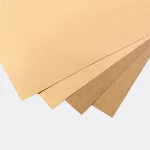
Bulk custom boxes made from folding carton or corrugated board usually ship as flat blanks, meaning printed sheets that have been cut and scored for folding. Flat blanks take less vertical room than assembled boxes, so the receiving plan starts with pallet floor space rather than a room full of open cartons. Rigid boxes often arrive formed, so a mixed order needs a separate plan for each structure.
Free US shipping is available for the order. The delivery still needs a receiving window, a clear landing spot, and someone assigned to check the shipment. A pallet that arrives while the dock is busy becomes a sorting problem fast.
How much warehouse space does a bulk order need?
A flat blank needs floor space for its pallet and enough clearance for safe receiving, even though it does not occupy the same vertical volume as an assembled box. Measure the area you can clear on delivery day. Do not plan around shelf space that a pallet cannot reach or a dock path that another shipment already uses.
If you are ordering custom mailer boxes or reviewing the custom kraft boxes line, ask how the selected structure is packed and identified before you schedule the delivery. A run with more than one format needs a place for each allocation, not one unmarked landing spot.
When should I reorder bulk custom boxes?
Reorder while the on-hand stock still covers production and delivery. Production is typically 8 to 10 business days after proof approval, plus delivery, and the clock starts after the proof is approved, not when the quote request is sent. Add time for your own artwork review, proof changes, freight receiving, and the move from the dock to storage.
Use the point where your remaining stock no longer covers that full window as the reorder signal. Keep the signal attached to each box format and artwork version. One low box count should not trigger a mixed request if the next delivery needs separate structures.
How should I stage a bulk delivery?
Stage a bulk delivery by marking the landing area before the truck arrives and assigning one person to receive it. Keep the packing slip, purchase details, and approved proof available at the dock. If several formats share the shipment, label the staging positions before unloading starts.
| Delivery checkpoint | Action | Record to keep |
|---|---|---|
| Before delivery | Clear and mark the pallet landing area. | Receiving contact, delivery window, and storage position. |
| At the dock | Check cartons against the packing slip. | Carton count, visible damage, and delivery notes. |
| After opening | Compare a flat blank with the approved proof. | Print, cuts, scores, glue tabs, and artwork version. |
| Before issue | Move each format to its assigned storage position. | Format label, product allocation, and reorder signal. |
What should I check when the pallet arrives?
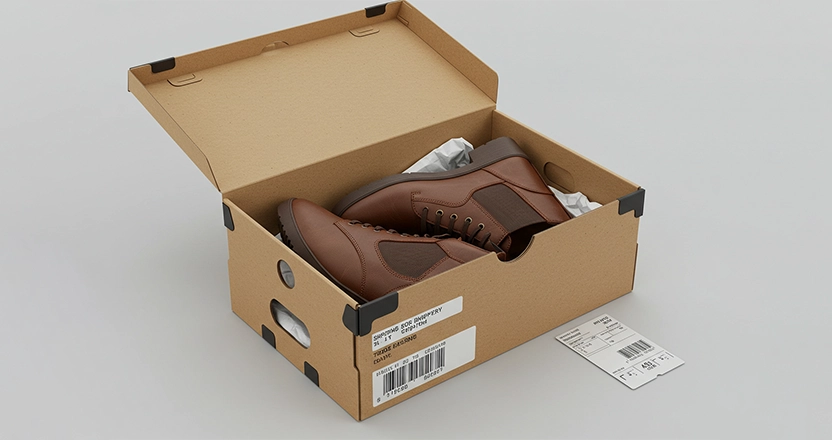
Check the carton count against the packing slip before the freight carrier leaves. Look for crushed corners, wet cartons, torn wrap, or shifted stacks, then record the condition on the delivery paperwork. Open one carton and compare a blank with the approved proof. Check print registration, cut edges, score placement, and the fold path before the boxes enter active packing.
If the shipment does not match the approved proof or the count needs review, contact the Custom Packaging Lane team with the order details and delivery notes. For a first bulk order, the $19.99 sample kit gives the receiving team a physical reference before the pallet arrives.
Which format belongs in a bulk custom box request?
A mailer box can fit a pack-and-ship workflow, while a tuck-top structure can fit a retail opening that needs a defined lid and tabs. Review custom tuck top mailer boxes when that structure matches the product. A product with a narrow footprint may need a separate custom vial box allocation. Keep the request focused on the box format, product dimensions, artwork, quantity allocation, and receiving plan.
What are the quantity and timing terms?
The MOQ is 100 units. Pricing is from $0.49 per unit at volume, quoted to spec. Free design support can turn product dimensions and artwork into a dieline, then CPL sends a digital proof before anything prints. Production is typically 8 to 10 business days after proof approval, plus delivery. Free US shipping is available.
Use the custom packaging solutions hub to compare a format before sending the request. The next step is concrete: measure the storage area, assign the receiving contact, and send the product dimensions with the quantity by format.
Frequently Asked Questions
What does flat-pack shipping mean for bulk custom boxes?
Bulk custom boxes made from folding carton or corrugated board usually arrive as flat blanks, not assembled cartons. Flat blanks reduce the vertical space needed for storage, but each pallet still needs a clear floor position and receiving path. Rigid boxes can arrive formed, so confirm the structure before planning the dock.
How much warehouse space does a bulk custom box order need?
A bulk custom box order needs clear pallet floor space, a receiving path, and an assigned storage position for each format. Flat blanks use less vertical room than assembled boxes, but the exact footprint follows the selected structure and quantity. Measure the area you can clear before delivery.
What stock level should trigger a bulk custom box reorder?
Reorder bulk custom boxes while remaining stock still covers production and delivery. Production is typically 8 to 10 business days after proof approval, plus delivery, and the clock starts after proof approval. Add artwork review, proof changes, receiving, and storage time before setting the reorder signal.
Does Custom Packaging Lane include shipping on bulk orders?
Custom Packaging Lane provides free US shipping on bulk orders. The delivery still needs a receiving window, a marked pallet landing area, and a person assigned to check cartons against the packing slip. Free shipping does not remove the need for dock and storage planning.
What should I do if a bulk shipment arrives short or damaged?
If a bulk shipment arrives short or damaged, check the carton count against the packing slip, record visible damage before the carrier leaves, and compare an opened blank with the approved proof. Send the delivery notes and order details to the Custom Packaging Lane team through the contact page.