

























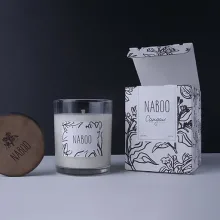

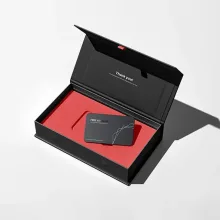
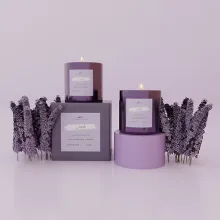
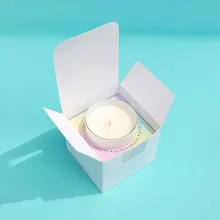





































A candle shipping box is a carton planned around the finished vessel and the route from packing bench to delivery. The vessel, lid, label, wrap, closure, orientation, and carrier-facing surface belong in one record. A candle mailer box may also be the retail package, so the outside panel has to serve both product identification and shipment handling when that is the chosen format.
How thick should a candle shipping box be?
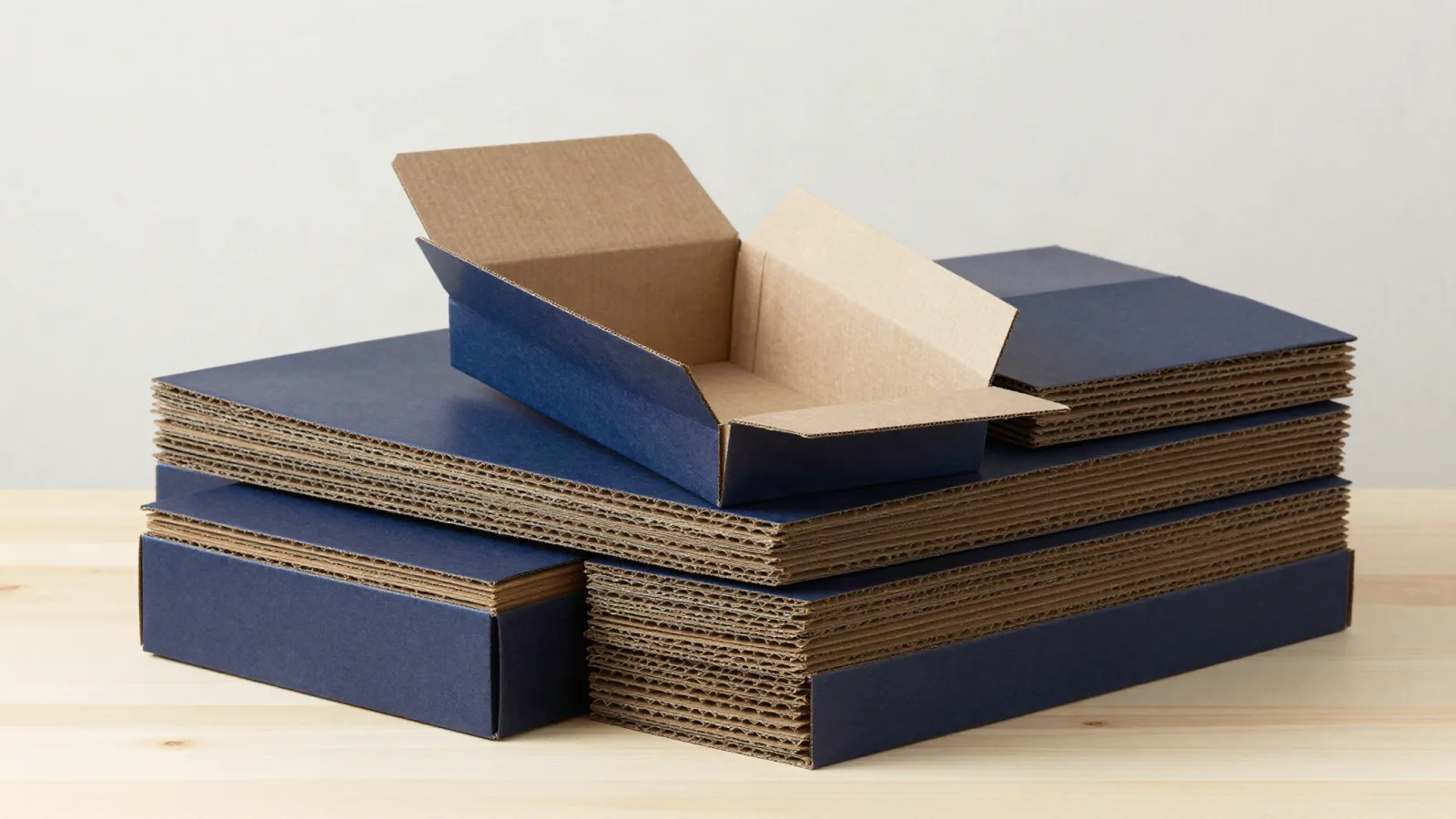
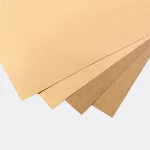
There is no single wall thickness for every candle shipment. Wall thickness is the measured depth of the box wall or corrugated board, and it has to be read with vessel weight, shape, closure, insert, orientation, and handling path. Single-wall corrugated has one fluted layer between liners. Double-wall corrugated has two. A folding carton uses paperboard instead of fluted board, so the space and stacking tradeoffs are different.
What should a candle shipping box record before format selection?
The shipment record should describe the finished candle exactly as it enters the package. Include the vessel, lid, label, wrap, widest point, base, exposed edges, and any decoration that changes the profile.
| Record field | What it describes | Check before proof approval |
|---|---|---|
| Wall thickness | Selected carton or corrugated construction | Does the board suit the packed candle and handling path? |
| Vessel profile | Shape received by the box | Are the lid, label, base, and exposed edges included? |
| Closure | Connection between box and pack-station motion | Can the packer load and close the box consistently? |
| Protection field | Breakage question tied to this candle | Is the requirement specific to this vessel and orientation? |
| Carrier surface | Panel used for labels or warehouse marking | Can a label sit there without hiding product copy? |
CPL's candle-shipping order records include wall-thickness and breakage-protection fields. Those fields can inform a new discussion, but an order-specific construction detail is not a universal rule. Update the record for the new vessel, lid, insert, and shipment path.
Which construction fits a candle mailer box?
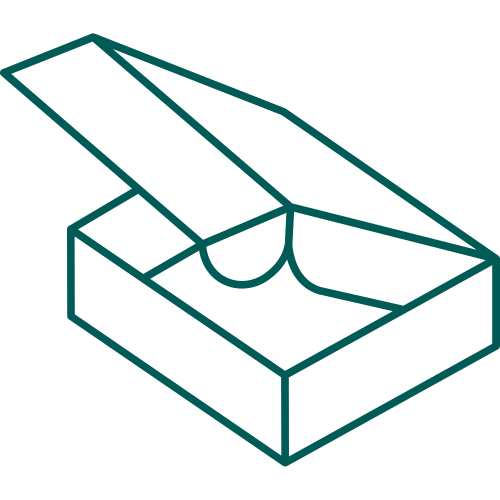
Use a corrugated mailer when the printed box is also the carrier-facing package. Use a folding carton when the box travels inside another shipper or moves through a retail handoff. Use a rigid candle box when the presentation needs a chipboard structure wrapped in printed paper. Each format changes the closure, label area, interior space, and loading motion.
A rigid box holds its shape through the chipboard core. A corrugated shipper gets its structure from fluted layers and liners. The correct comparison is the packed candle beside the route it will take, not the format name by itself.
What should an insert do around a candle vessel?
A candle insert should locate the vessel and keep hard points away from the carton walls. Cut the interior around the finished vessel, lid, label, and base rather than the jar body alone. A cutout that ignores the lid can close against it. A loose cutout lets the vessel move. Check the insert with the assembled box and the actual candle.
What should the assembled shipping proof check?
Load the finished candle, lid, label, and wrap into the assembled proof. Check the wall-thickness direction, closure, product orientation, insert contact, brand panel, carrier-facing surface, and label position. If a jar, tin, or gift set changes the physical pack-out, give it a separate record. Production timing starts after proof approval, so this is the place to catch a score crossing a label or a closure that is hard to load.
Which CPL candle box formats can I compare?
Custom candle shipping boxes are the direct reference for a package planned around delivery. Candle shipping boxes give another dedicated shipment direction. Reverse tuck candle boxes frame a different opening motion. Custom rigid candle boxes support a more structured presentation discussion. Match every format to the finished vessel record.
What are the order terms for a candle shipping box?
The MOQ is 100 units. Pricing is from $0.49 per unit at volume, quoted to spec. Production is typically 8 to 10 business days after proof approval, plus delivery. Free US shipping and free design support are available. The $19.99 sample kit can help compare board and finish directions. Use custom packaging solutions to organize the shipment brief, then send the vessel dimensions, closure, orientation, and carrier surface.
Frequently Asked Questions
Is thicker board always better for candle shipping?
Thicker board is not automatically the right choice for candle shipping. Wall thickness has to be reviewed with the vessel, lid, insert, orientation, closure, and handling path. A corrugated shipper, folding carton, and rigid box use different constructions. The assembled proof should show whether the selected structure fits the actual candle.
What is a candle mailer box?
A candle mailer box is a package that can act as the carrier-facing carton for a finished candle. Its brief needs the vessel, lid, label, closure, orientation, insert, and label surface. If the box also serves retail presentation, keep the product panel and shipment marking area separate in the artwork.
Should a candle insert be cut to the exact vessel?
A candle insert should follow the finished vessel, lid, label, and base, with the clearance required by the material and loading motion. Cutting around the jar body alone can leave the lid exposed or the vessel loose. Check the actual candle inside the assembled proof before approving the structure.
Can rigid and corrugated candle boxes be compared?
Rigid and corrugated candle boxes can be compared by looking at the packed vessel and its handoff. A rigid box uses chipboard wrapped in printed paper and holds its shape. A corrugated shipper uses fluted layers and liners for a different shipment path. Closure, label space, insert, and loading motion also change.
What are CPL's candle box order terms?
CPL uses a 100-unit MOQ. Pricing is from $0.49 per unit at volume, quoted to spec. Production is typically 8 to 10 business days after proof approval, plus delivery. Free US shipping and free design support are available, and the sample kit is $19.99.