


























































What does custom candle packaging include?
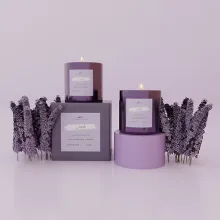
Custom candle packaging is a planned group of structures, materials, and artwork rules for a candle line. It can cover jar candles, tapers, tubes, tealights, wax formats, gift sets, and seasonal products without forcing every item into the same box. The package still needs a shared visual order, clear product names, and a format that fits the candle.
Start with the product family and the places where the package changes hands. Retail display, direct shipment, gifting, and wholesale receiving create different questions about opening, labeling, stacking, and storage. Put those questions in the brief before artwork is finalized.
Which candle packaging box format fits the product?
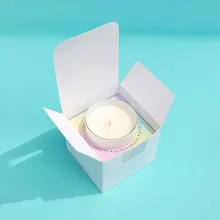
The product silhouette should decide the package format. A jar candle needs clearance for the vessel and lid, a taper needs length and support, and a tube needs a cylindrical presentation that matches the product. A tealight or wax item may need a compact structure with clear variant identification.
| Product format | Packaging direction | Working question |
|---|---|---|
| Jar candle | Paperboard carton or rigid presentation box | Where should the candle name and scent appear? |
| Taper candle | Long format carton or tube | How should the taper stay aligned? |
| Tealight candle | Compact box with grouped compartments | How should variants be identified? |
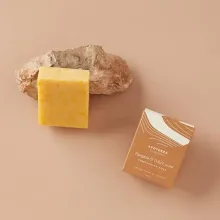
| Wax product | Format-specific carton or small box | What must remain consistent across the line? |
Which materials should a candle packaging plan compare?
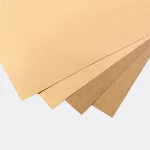
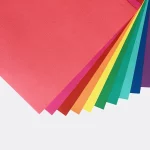
Paperboard folds on scored lines and gives the artwork a broad printable surface. A rigid box is built from chipboard wrapped in printed paper, so it holds its shape without a fold. Kraft paperboard shows a brown fiber tone, while white board gives color a cleaner base. Tube packaging creates a cylindrical family for products that suit that shape.
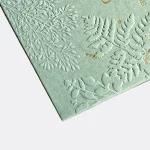
Material choice should follow the candle format, handling route, and artwork hierarchy. Matte lamination reduces glare. Gloss lamination adds surface shine. Spot UV creates a hard gloss on selected areas, and foil creates a reflective accent. Keep finishes away from small type, score lines, and glue tabs when readability or folding is the priority.
How should luxury candle packaging boxes use finishes?
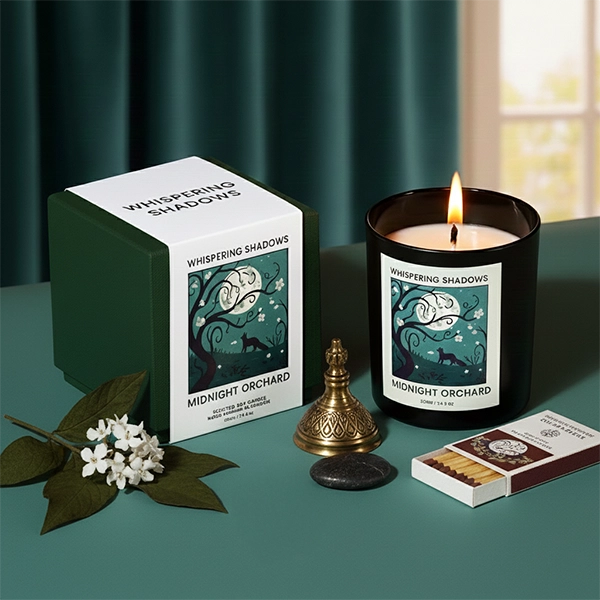
Luxury candle packaging boxes need a clear visual hierarchy before they need extra finish. Set the product name, scent, collection, and brand mark in a consistent order, then use matte, gloss, spot UV, or foil where the surface treatment has a specific job.
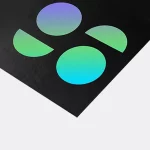
A matte surface can make small type easier to read under bright retail lighting. Gloss catches light and draws attention to a selected panel. Foil is reflective, while spot UV creates contrast between treated and untreated areas. A glass jar already catches light, so the proof should show whether the box adds order or creates glare.
Where do candle packaging projects lose time?
Candle packaging projects lose time when product changes reach the artwork file late. A lid change can alter the height. A new scent name can change the front panel. A seasonal message can change which panels need to stay reusable. Write one approved product list and name the person who controls the proof.
- Keep product names and scent names in one approved file.
- Record which products share a structure and which need a different dieline.
- Mark the artwork owner and proof approver.
- List finish, closure, insert, and handling questions before the proof.
How does a candle packaging job move from brief to proof?
A candle packaging job moves from product dimensions to structure, material, artwork, and digital proof. A dieline is the flat cutting template used to print, score, fold, and cut the package.
- Send the assembled candle dimensions, lid profile, and product grouping.
- Choose the format and material direction for each product group.
- Place artwork on the dieline and check bleed, scores, glue tabs, and panel order.
- Approve the digital proof before anything prints.
Production is typically 8 to 10 business days after proof approval, plus delivery. The clock starts after proof approval, so the product list, artwork, and internal signoff need to be ready before that point.
What are the order terms for custom candle packaging?
The MOQ is 100 units. Pricing is from $0.49 per unit at volume, quoted to spec. Free design support and free US shipping are available. Share the product group, format, dimensions, material, artwork, quantity, and destination so the quote follows the actual package.
The $19.99 sample kit is credited toward the first order. Use it to compare a material, opening, finish, or structure before the digital proof is approved.
Which candle packaging products can I compare?
Compare custom taper candle packaging for a long candle format, candle tube packaging for a cylindrical direction, tealight candle boxes for compact grouped products, and wax packaging for a wax-led format.
Use the custom packaging solutions hub only when the candle line needs a wider packaging category. Keep the candle brief centered on format, material, finish, line hierarchy, and proof ownership.
Frequently Asked Questions
What products can custom candle packaging cover?
Custom candle packaging can cover jar candles, taper candles, tubes, tealights, wax products, gift sets, and seasonal formats. The MOQ is 100 units. Start with the product dimensions, package role, material direction, artwork owner, and selling context so each format has a clear place in the candle line.
Which materials can be used for candle packaging boxes?
Candle packaging boxes can be planned with paperboard, rigid presentation structures, kraft paperboard, tubes, and format-specific cartons. Paperboard folds on scores, while a rigid box uses chipboard wrapped in printed paper. Choose the material around the candle shape, opening, artwork hierarchy, and handling route.
How should luxury candle packaging boxes use foil or spot UV?
Luxury candle packaging boxes should use foil or spot UV after the product hierarchy is clear. Foil creates a reflective accent, while spot UV creates a glossy contrast on selected areas. Keep small type and score lines clear on the digital proof so the finish does not compete with the candle name.
What is the minimum order for custom candle packaging?
The MOQ for custom candle packaging is 100 units. Pricing is from $0.49 per unit at volume, quoted to spec. Provide the product group, format, dimensions, artwork, material, quantity, and destination. Free design support and free US shipping are available.
How long does candle packaging production take?
Candle packaging production is typically 8 to 10 business days after proof approval, plus delivery. Free design support is available before approval, and the $19.99 sample kit is credited toward the first order. Product dimensions, artwork, material, and proof ownership should be settled before production begins.