


















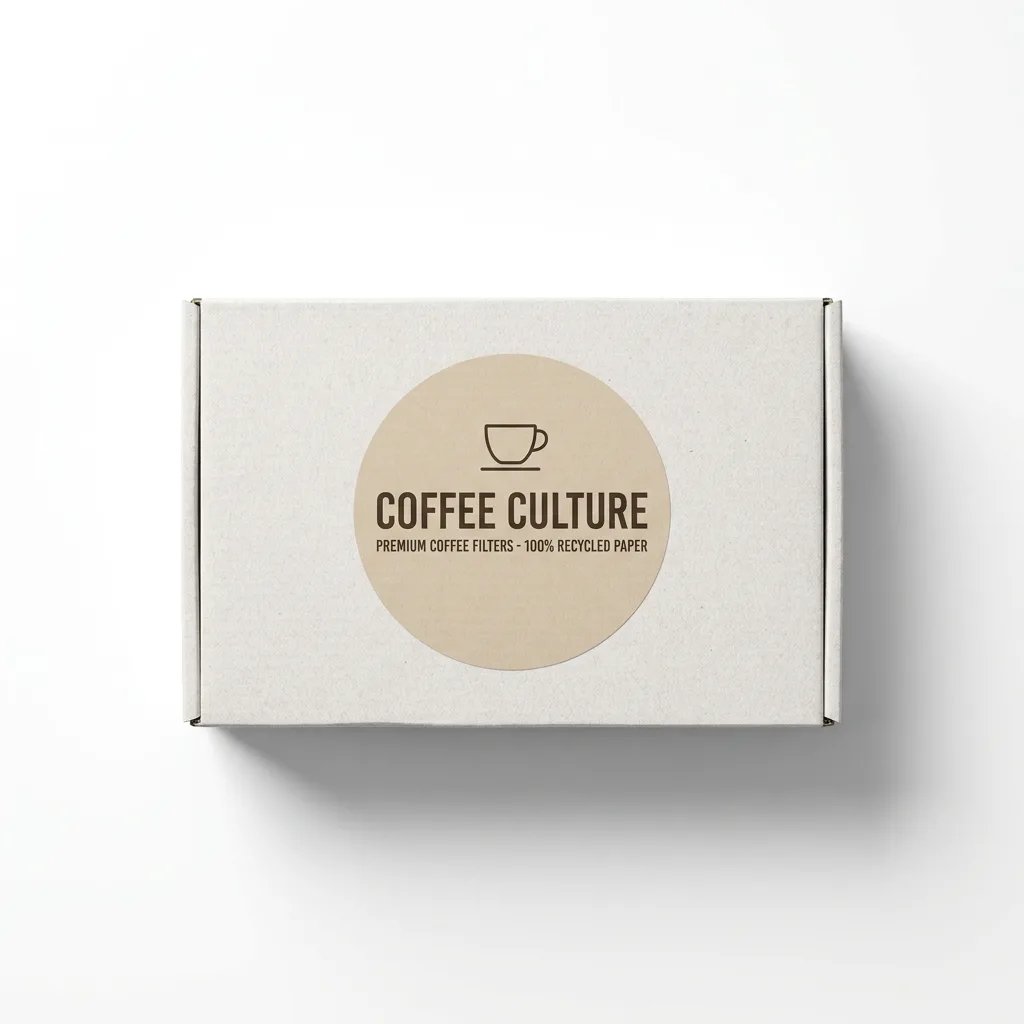



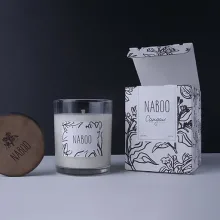






































Which coffee packaging format fits the product?
The right coffee packaging format starts with the item being packed and the way it will be opened, stored, served, or shipped. A dieline is the flat cutting template that shows panels, cuts, scores, and glue tabs before printing. Send product dimensions and we draw the dieline with free design support, then send a digital proof before anything prints.
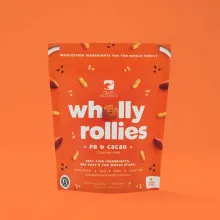
Coffee cup packaging needs clearance around the cup and a clear way to present it. Coffee pod packaging needs an arrangement that makes variants easy to count and retrieve. Coffee bean packaging can center on the bean product and its outer presentation. Coffee mug packaging boxes need space for the mug body, handle, and any insert that stops movement. The box follows the product, not the keyword used in a search.
How should coffee cup and mug boxes be sized?
A cup or mug box should be sized from the packed product and its opening sequence. A packout is the final arrangement of the product, insert, card, and any inner package inside the box. For a mug, measure the body and handle in the position the customer will receive it. If an insert is part of the plan, cut it to the actual product shape and check that the mug cannot rattle.
Test the opening, retrieval, and closing action with the product in place. Look at glue tabs and scores while the box is flat, then inspect the finished shape. A handle that lands on a score can weaken the fold even when the artwork looks correct on screen.
How do pod and bean packages differ?
Coffee pod packaging organizes a repeated set, while coffee bean packaging centers on the product format and its outer presentation. The fit check changes with the item, so use the following structure questions before choosing artwork.
| Product format | Common starting structure | Primary fit check |
|---|---|---|
| Coffee cups | Paperboard carton or corrugated mailer | Cup diameter, height, rim, and handle clearance |
| Coffee pods | Paperboard carton with an organized interior | Pod arrangement, variant order, and retrieval |
| Coffee beans | Printed carton or outer box around the selected package | Product dimensions, closure, and front panel |
| Coffee mugs | Rigid-style or corrugated presentation box with an insert | Mug body, handle, insert, and opening action |
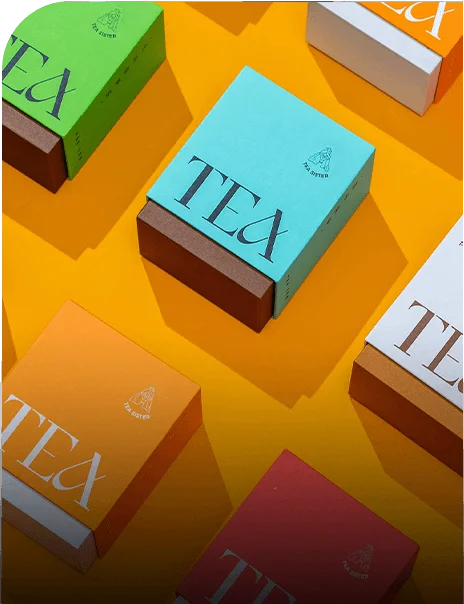
| Tea products | Paperboard carton or gift set box | Product format, interior presentation, and use context |
The table separates a coffee bean package from a pod carton and a mug gift box. That distinction matters when a buyer searches for coffeepackaging boxes bulk, because a volume quote only means something when the structure and packout are clear.
What materials work for coffee and tea packaging?
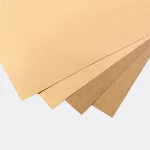
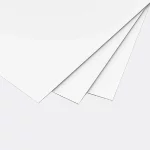
Paperboard, kraft board, corrugated board, and rigid-style construction each make a different tradeoff. Corrugated board has a fluted paper layer between liner sheets, so it can add cushion and a shipping role. Kraft board brings a visible brown base that can mute light inks. White paperboard gives printed colors a cleaner base. Rigid boxes use chipboard wrapped in printed paper, so the walls hold their shape instead of folding like paperboard.
If the package will touch coffee or tea, ask us about food-contact options for your product. Put that question in the brief with the product format, intended use, dimensions, and interior construction. Do not treat a reference image as an answer for every product application.
What should the digital proof show?
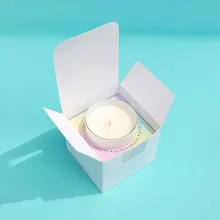
A useful coffee packaging proof shows the artwork on the actual panel layout, with scores, cuts, glue tabs, and opening direction visible. Check the front, side, top, and interior panels in the same orientation the customer will see. Keep type and barcodes clear of score lines, and confirm that the file includes the printer's required bleed.
RGB artwork can shift when it is converted for press. Heavy ink coverage can read differently on kraft, white, or coated board. At a press check, compare solid areas, fine type, and the matte or gloss surface against the approved proof. Catching a bad fold or missing bleed before printing is cheaper than finding it in a finished carton.
What does a coffee packaging bulk order need?
A bulk coffee packaging quote needs the product format, finished dimensions, packout, artwork status, quantity, and destination. The MOQ is 100 units. Pricing is from $0.49 per unit at volume, quoted to spec. Production is typically 8 to 10 business days after proof approval, plus delivery.
Free US shipping and free design support are available. The production clock starts at proof approval, after the artwork and structure are settled. Send separate format details when a project includes cups, pods, beans, mugs, or tea so each line in the quote describes the package you actually need.
Where can you compare coffee packaging formats?
Compare coffee filter packaging, coffee capsule packaging, and coffee bean packaging with the actual product dimensions and presentation plan. The product pages help narrow the structure conversation, but the finished format still needs a project-specific dieline and proof.
For a physical reference, order the $19.99 sample kit, credited toward the first order. The custom packaging solutions page is the broader route when the coffee format is still open. Send the selected format, dimensions, artwork status, quantity, and destination for a quote.
Frequently Asked Questions
Can coffee cup packaging be built around a mug handle?
Coffee cup or mug packaging can be planned around product dimensions, including handle clearance, rim position, insert footprint, and opening direction. Send the packed arrangement first. Custom Packaging Lane provides free design support and a digital proof before printing, so the handle position and artwork panels can be checked before production begins.
What does coffee bean packaging need before a quote?
Coffee bean packaging needs the product dimensions, outer package format, closure direction, artwork status, quantity, and destination before a quote can describe the job accurately. If the package will touch coffee, ask us about food-contact options for your product and include that question in the brief.
Can coffee packaging touch coffee or tea?
If coffee or tea will touch the package, ask us about food-contact options for your product. Include the product type, package format, dimensions, and intended use in the request. A general box reference should not be treated as an answer for every product application.
What is the MOQ for coffee packaging boxes?
Coffee packaging bulk orders start at an MOQ of 100 units. Pricing is from $0.49 per unit at volume, quoted to spec, so the amount depends on the selected format, dimensions, artwork, quantity, and delivery details.
When does coffee packaging production timing begin?
Production is typically 8 to 10 business days after proof approval, plus delivery. Proof approval follows the format, dieline, artwork, and packout review. The $19.99 sample kit is credited toward the first order and can support an earlier format comparison.