























































How should a corrugated display box present the product?
Corrugated display packaging should be planned as a loaded retail unit, not as an empty box. Start with each SKU's width, depth, height, filled weight, selling face, and removal direction. A toy blister pack may need to stand upright, a wrapped candy bar may need front or top access, and a cosmetic tube may need its cap oriented away from the insert. These choices determine the opening, row arrangement, and product support.
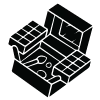
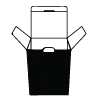
A window cut-out can expose the package shape or create a clearer hand path. Its position should preserve board around corners, folds, and the display base. An insert can separate rows, hold tapered products upright, or raise shorter units so their branded panels remain visible. Use cardboard display boxes when the order needs corrugated board with window cut-outs or product inserts.
Which retail pack pattern fits toys, candy, and cosmetics?
| Product type | Useful display pattern | Buyer input that shapes it |
|---|---|---|
| Toy blister cards | Upright slots with a clear front view | Card orientation, base shape, and shopper grab point |
| Wrapped candy bars | Parallel rows with front or top access | Wrapper clearance, row count, and refill direction |
| Cosmetic tubes or bottles | Individual cavities or divided rows | Cap orientation, center of gravity, and visible label area |
| Mixed promotion set | Unequal cavities inside one outer display | SKU map, pack-out order, and facing sequence |
The product type changes the contact points inside the display. Buyers can compare auto-bottom counter display toy boxes for upright toy packs, candy display boxes for accessible rows, and cosmetic display boxes for tubes, bottles, or cartons. Buyers building one retail program across these products can keep specifications under the display boxes category, then define a separate insert and facing map for each SKU.
What belongs in a custom corrugated display box specification?
Corrugated board uses a fluted medium between liner sheets, so its suitability for an open display depends on the filled load, cut-out placement, base area, and distribution method. Corrugated cardboard display boxes should be described as completed packs rather than by board name alone.
- List every product's width, depth, height, filled weight, and selling face.
- State the units per row, number of rows, and preferred removal direction.
- Mark the area that must remain visible after the display is fully loaded.
- Say whether the display travels filled or reaches the retailer flat.
- Identify where an insert may touch the product and which surfaces it must avoid.
Printing may be planned for the outside, inside, or both sides. Flexographic printing is commonly used directly on corrugated surfaces, while digital printing can suit shorter runs. CMYK and Pantone printing are available directions. Gloss, matte, aqueous, and spot UV finishes can be considered where the chosen print surface supports them. Artwork should keep names and critical graphics away from cut edges, folds, and insert interruptions.
How should window cut-outs and inserts be planned?
Begin with the product view and the shopper's reach path. A window should reveal the part that identifies the item, while the surrounding panel remains connected at corners and folds. Large openings near the base can change how the loaded display carries weight. There is no useful universal cut-out ratio because product weight, opening position, and insert support change together.
An insert should engage a stable area of the product rather than a narrow cap, flexible wrapper edge, or decorative projection. Its cavities should allow the item to be lifted without snagging. For mixed products, label the cavity map in the pack-out information so each SKU enters the intended position. Check the filled arrangement, including the last unit in each row, because visibility and reach can change as stock is removed.
How should wholesale buyers specify custom corrugated display boxes?
Wholesale orders begin at 100 units, with pricing from $0.49 per unit at volume and the final amount quoted to the specification. Production is typically 8 to 10 business days after proof approval, plus delivery. US shipping and design support are free. Buyers who want to inspect print and material examples can order the $19.99 sample kit.
Submit the product measurements, filled weights, units per display, row plan, retail footprint, artwork, and whether the pack ships filled or flat. Note the required window view and the job of each insert. A digital proof is sent before printing so the panel graphics and structural layout can be checked together.
Frequently Asked Questions
How do I decide whether a cut-out belongs in the display?
A cut-out belongs where it improves product recognition or access without removing support from folds, corners, or the display base. Map the visible product area first, then check the display when fully loaded. If the insert already controls each unit, the opening can focus on presentation. If not, the remaining panel area must do more structural work.
What information makes an insert useful?
Specify the product's widest stable section, the part shoppers grasp, how units are replenished, and any surface that should not rub against board. The insert should control side-to-side movement while allowing clean removal. For mixed SKUs, note which products share a cavity and which need separate pockets so the packer does not force an incorrect fit.
Should a corrugated display ship filled or flat?
That decision changes the packing plan. A display shipped filled needs the products and insert to stay aligned through distribution. A flat display needs an assembly sequence that retail staff can complete without confusing the opening or locking areas. State the intended method before the structure is finalized, then check the assembled, loaded presentation rather than only the flat layout.
Where should artwork go on a countertop display?
Prioritize the panels shoppers can see from the intended approach angle, usually the front, side walls, and rear message area. Keep critical logos and product names away from cut edges, folds, and insert interruptions. If units cover a panel when loaded, move the primary message to a visible area and verify it against the filled presentation.
How can several SKUs share one display format?
Start with the largest stable product footprint and compare how each SKU sits, faces forward, and can be removed. A shared outer display may still need SKU-specific insert cavities when shapes or caps differ. Keep the exterior opening consistent only if every product remains supported and visible. Otherwise, change the insert or front opening instead of forcing one layout.