




























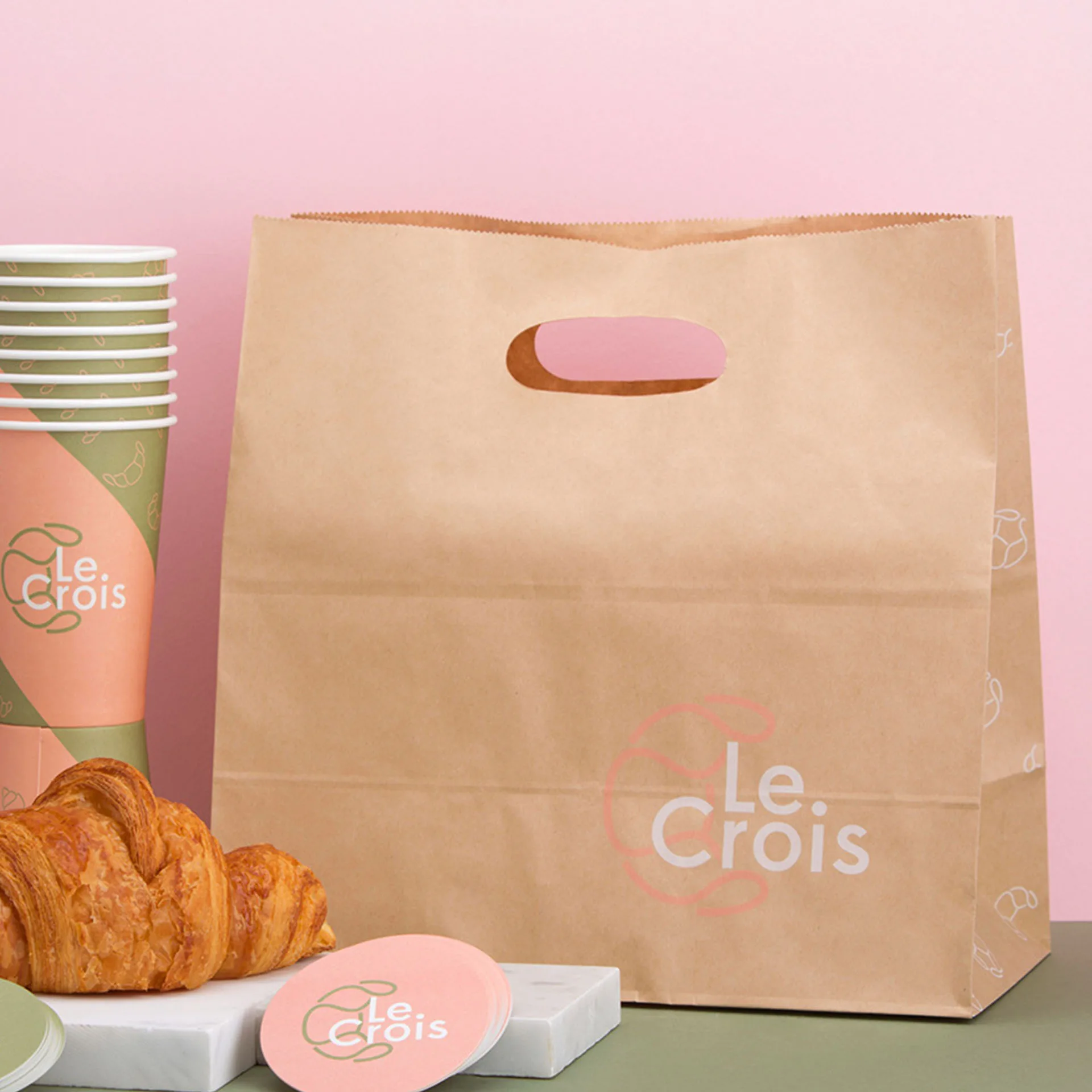




















































How can custom food boxes keep a product line organized?
Custom food boxes become easier to manage when the brand treats the package as part of a product-line system. Buyers searching for custom food packaging, custom food boxes, custom food packaging boxes, customized food packaging, custom frozen food boxes, or custom frozen food packaging may be planning several related products rather than a single carton. The distinct question is how to keep the line recognizable while allowing each product to carry its own information.
Begin with a shared artwork architecture. Decide which logo treatment, typography direction, color relationships, and visual cues belong to the brand. Then reserve flexible areas for product names, flavor or assortment wording, serving context, and channel-specific messages. For a broader overview, visit the custom packaging solutions hub. This page focuses on organizing food packaging artwork across a line.
How should custom food packaging boxes separate shared and variable content?
| Artwork layer | Keep common across the line | Allow to change | Review question |
|---|---|---|---|
| Brand identity | Logo treatment and core visual language | Seasonal supporting artwork | Can the package be recognized as part of the brand? |
| Product identity | Naming order and hierarchy | Product name, flavor, or assortment | Can the buyer distinguish this item quickly? |
| Channel message | Approved tone and information style | Shelf, service, display, or direct-order wording | Does the package speak to the actual selling context? |
| Line cue | Shared color or illustration logic | Variant-specific cue | Does the change identify the item without breaking the family? |
This structure helps a team avoid two common extremes. If every package is identical, product identification can become difficult. If every package is designed from scratch, the line can lose recognition. A written separation between fixed and flexible artwork gives free design support a clearer brief and makes proof review more focused.
What should change when one line includes custom frozen food boxes?
A frozen item can use the same brand architecture as other food products while carrying product-specific information and artwork. Keep the logo, naming order, and recognizable visual cues stable, then create a clear area for the frozen product identity and the information your team has approved for that package. The focus here is line consistency, not a universal claim about storage or handling.
When a food line includes both frozen and non-frozen products, review the packages side by side. Check whether the frozen item is easy to distinguish, whether the visual family remains clear, and whether the artwork leaves room for the product information that applies to that item. Ask us about food-contact options before approving the direction for the intended use.
How can custom food boxes support several selling contexts?
A food brand may use related packages for shelf presentation, counter placement, prepared service, display, or direct shipment. The artwork can stay connected if the brand system is defined before each channel receives its own message layer. Decide which information is universal, which wording belongs to a specific channel, and which visual cues should change when the package moves from one selling context to another.
Do not force a service message onto a shelf package or make a display package carry the same hierarchy as an item intended to be opened immediately. The proof should show the package in the context where buyers will encounter it. That keeps the design decision tied to the selling moment without creating a separate brand for every channel.
How should related food products use the same visual rules?
Product references can help your team discuss how the visual system behaves across different food categories. Review custom food supplement boxes for a structured labeled product, custom Chinese food boxes for prepared-food presentation, frozen food boxes for a frozen line item, and food display boxes for a display-led package. Use the references to explain brand hierarchy, not to assume that every product needs the same artwork.
What should a custom food packaging brief show before proof approval?
- The products that belong to the line and the elements that should stay visually consistent.
- Product names, flavor or assortment cues, and channel-specific information.
- The artwork surfaces that need a logo, product identity, instructions, or supporting imagery.
- The package context, such as shelf, counter, service, display, or direct shipment.
- Any food-contact question that should be discussed before the package direction is approved.
Share existing artwork, logo files, written copy, or a rough visual direction. Free design support can help organize those inputs into a proof path. The aim is to make the variable parts deliberate, so a new food product can enter the line without forcing the team to rethink the entire brand system.
How do wholesale terms fit a food line rollout?
The MOQ is 100 units. Pricing is from $0.49 per unit at volume, always as a starting point rather than a flat price for every package. Production typically takes 8 to 10 business days after proof approval, plus delivery. Free US shipping and free design support are available, so include the quantity, package direction, artwork status, and destination in the quote request.
A $19.99 sample kit can help the team review whether the shared artwork system remains clear across the package direction. Use the observations to adjust the brief before proof approval, then ask for a project-specific quote and confirm any food-contact questions for the intended use.
Frequently Asked Questions
How can custom food boxes support several products under one brand?
Define the fixed brand elements first, including the logo treatment, naming order, visual language, and shared line cues. Then create reserved areas for product names, flavors, assortments, and channel messages that change by item. This keeps the packages related while giving each food product enough room to be identified clearly.
What should change between custom food boxes and custom frozen food boxes?
The shared brand system can remain consistent, while product-specific wording, variant cues, and approved package information change for the frozen item. Review the packages together so the frozen product is distinct without looking unrelated. Ask us about food-contact options for the intended application before approving the artwork direction.
What belongs in a custom food packaging artwork brief?
Include the product lineup, logo files, product names, variable wording, selling context, package surfaces, artwork status, quantity, and destination. Explain which elements must repeat across the line and which elements can change. Free design support can help turn that information into a clearer proof path for the project.
What is the MOQ for custom food boxes?
The MOQ is 100 units. Pricing is from $0.49 per unit at volume, with the final quote shaped by the package direction, artwork, quantity, and project details. State whether the request covers a single food product or a coordinated line so the quote discussion reflects the actual rollout.
Can a sample kit help review a food packaging system?
A $19.99 sample kit can give the team a physical reference while the artwork system is still flexible. Use it to discuss the package presentation, opening, and visual hierarchy, then refine the brief before proof approval. Ask us about food-contact options when the intended package may touch food.












