




























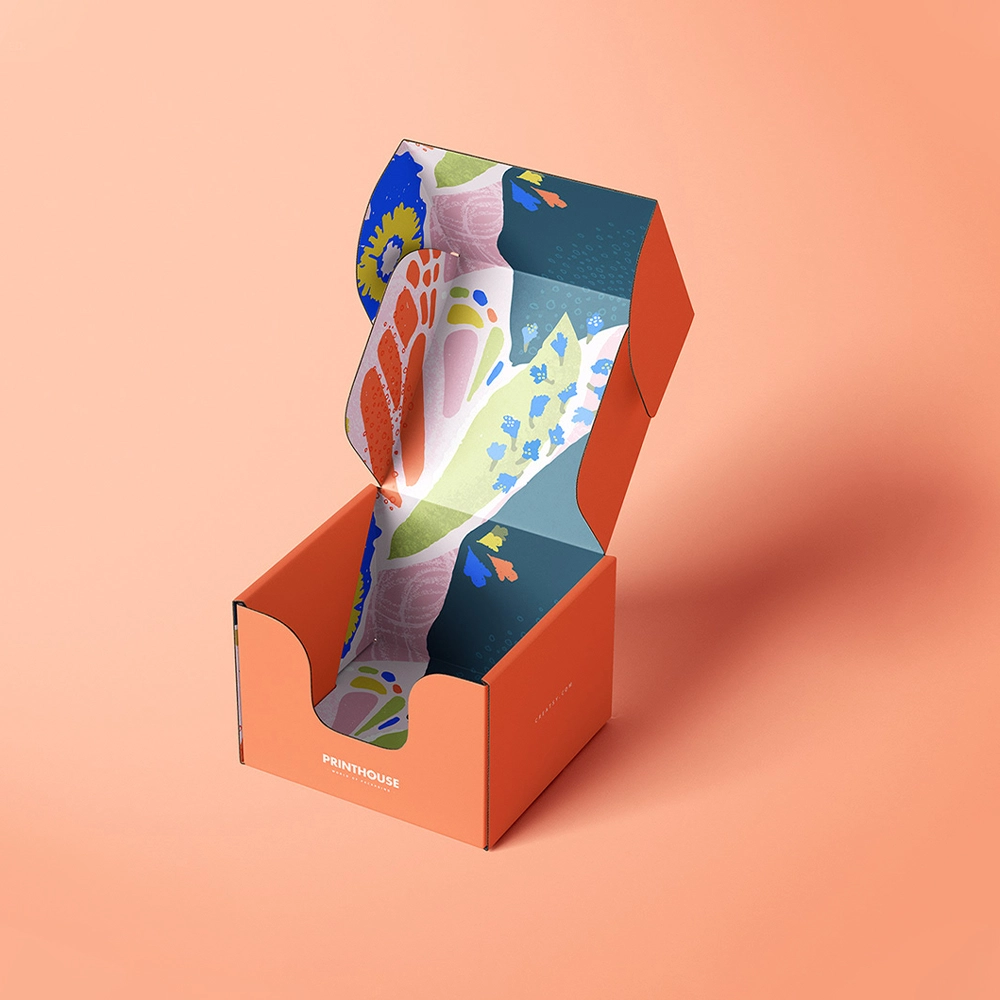




















































What should I ask custom packaging manufacturers?
Ask each custom packaging manufacturer for the same project details: structure recommendation, dieline path, digital proof step, quantity quote, and production window. A custom packaging manufacturer converts product dimensions and artwork into a package that can be printed and assembled. The useful comparison is the work shown in the quote, not a broad promise about custom packaging solutions. Start with the product, the package job, the quantity, and the artwork status.
How do custom packaging manufacturers quote custom packaging boxes?
Custom packaging boxes are quoted from a project brief, so send product dimensions, intended use, quantity, artwork status, and delivery destination together. A dieline is the flat cutting template that maps the panels, folds, cut lines, and glue tabs. If the format is still open, explain whether the package will sit in retail, travel to a customer, or present a gift. The same brief makes supplier responses easier to compare.
| Comparison checkpoint | Ask for | Why it matters |
|---|---|---|
| Structure | A package direction based on product dimensions | Shows how the product will fit |
| Artwork | A digital proof before printing | Shows panels, copy, bleed, and scores |
| Quantity | A quote at 100 units | Shows the starting order size |
| Pricing | From $0.49 per unit at volume, quoted to spec | Keeps the volume reference qualified |
| Timing | Typically 8 to 10 business days after proof approval, plus delivery | Shows when production begins |
| Shipping | Free US shipping | Keeps freight treatment visible |
Which custom retail packaging format fits my product?
Custom retail packaging should match the product presentation and handling job. Custom tin packaging gives a product a formed metal outer shell and a different closure conversation. Custom taper candle packaging gives a narrow product a format built around its length and presentation. Custom drone packaging boxes create a starting point for a device brief where interior organization and product placement need direct discussion.
What does custom packaging design include?
Custom packaging design includes the structure, dieline, artwork placement, print direction, and finish plan. Check the product dimensions against the internal panels, then check the logo, copy, bleed, barcode position, and type near each score. RGB artwork can shift when converted for press, while low-resolution images can look soft at print size. Free design support can organize the early brief, but the buyer approves the final digital proof.
How should I compare materials and finishes from different suppliers?
Compare the material mechanism and the tradeoff it creates. Corrugated board adds fluted material between liner sheets, which gives a package more cushioning and stacking strength than a flat paperboard carton. Rigid boxes use chipboard wrapped in printed paper, so they hold shape without a fold. Matte laminate cuts glare, gloss laminate reflects more light, and spot UV puts a hard glossy coating on selected areas. The quote should identify the same structure and finish before prices are compared.
What must be checked before approving the proof?
Check the product name, copy, artwork placement, package dimensions, closure, insert fit, quantity, and delivery destination before approval. If a feature such as child-resistant packaging is needed, describe the intended use and ask what can be built into the package. If the package may touch food, ask us about food-contact options for your product. Approval should happen after the project brief and the digital proof agree.
What is the next step after comparing custom packaging manufacturers?
Choose a supplier conversation that ends with a clear brief, a digital proof, and a quote tied to the same quantity and structure. The sample kit is $19.99 if the material or finish is still uncertain. For broader format planning, use the custom packaging solutions hub. Send the product dimensions, quantity, artwork status, and package job as the next action.
Frequently Asked Questions
What quantity should I put in a custom packaging manufacturer brief?
Use 100 units as the starting quantity because the stated minimum order is 100 units. Add the package type, product dimensions, artwork status, and delivery destination so the quote describes the actual project. A supplier can then price the same structure and quantity that another manufacturer receives.
Can a packaging supplier start with a rough concept?
Yes. Custom Packaging Lane includes free design support, so a buyer can start with product dimensions, a logo, a rough layout, or a physical sample. The supplier can organize the structure and send a digital proof before printing. Finished artwork is helpful, but it is not required to begin the brief.
What should I compare between two custom packaging quotes?
Compare the same product dimensions, structure, quantity, artwork status, proof step, production window, and shipping terms. Pricing is from $0.49 per unit at volume, quoted to spec, so the figure needs the same project details before it is useful. Check whether both quotes begin production after proof approval.
What should I check in a custom packaging digital proof?
Check the product name, copy, artwork placement, bleed, barcode position, scores, folds, glue tabs, closure, and insert fit in the digital proof. A proof is the last clear point to catch a low-resolution image, RGB color shift, or type placed too close to a fold before printing begins.
How do I handle food-contact packaging questions?
If custom packaging may touch food, ask us about food-contact options for your product before approving the proof. Include the product, intended use, package structure, and artwork status in the brief. If a child-resistant feature is needed, describe that feature separately so the package discussion stays tied to the actual use.












