
















































































What are custom packaging materials?
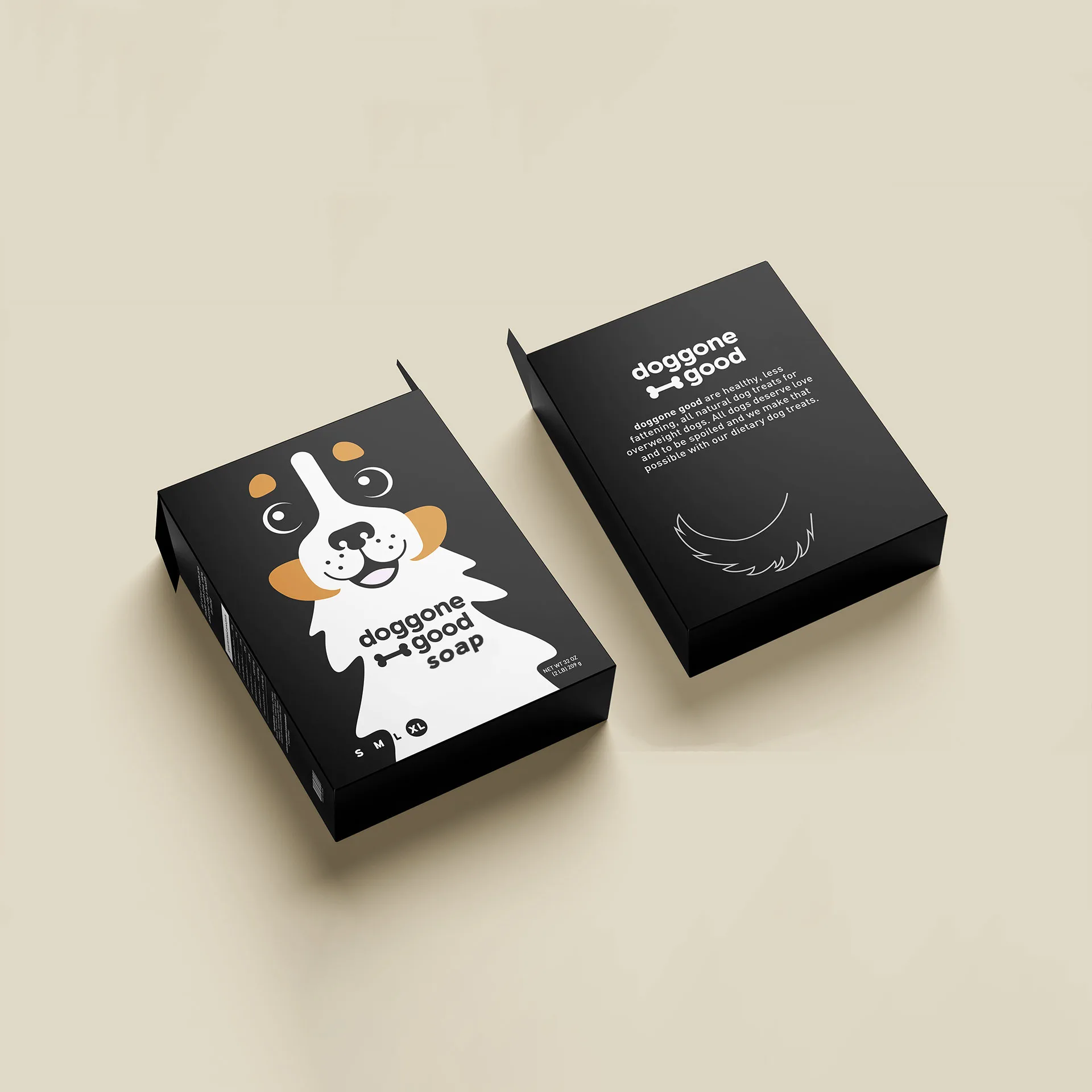
Custom packaging materials are the paperboard, corrugated board, rigid board, metal, coatings, and wraps used to build and finish a package. Choose the material by what the package must do: fold flat, protect a product in shipment, hold a gift presentation, organize several parts, or create a particular surface for print. A material name matters after the product, opening style, and handling route are clear.
Which custom packaging material fits the product?
Paperboard suits folding cartons and compact retail formats because it cuts, scores, and folds into a flat package. Corrugated board uses liner sheets around a fluted middle layer, which adds cushioning and stacking strength for shipping. Rigid boxes use chipboard wrapped in printed paper, so they hold shape without a fold. Tin packaging uses a formed metal shell and a different closure and print process.
| Material direction | What it is | Practical tradeoff |
|---|---|---|
| Paperboard | Flat stock cut and scored into a folding package | Prints well and stores flat |
| Corrugated board | Liner sheets around a fluted middle layer | Adds cushioning and stacking strength |
| Rigid board | Chipboard wrapped in printed paper | Holds shape and takes more storage space |
| Tin | Formed metal shell | Uses a metal closure and surface process |
| Kraft or white board | Brown unbleached stock or a white print surface | Changes how ink color appears |
How do surface finishes change custom packaging?
Surface finishes change reflection, scuff behavior, writing, and the way folds look. Aqueous coating is water-based, dries fast, and generally costs less per sheet; it also accepts glue and ink well on flaps. UV coating cures hard and glossy and resists scuffing better than aqueous, but it can crack along score and fold lines and is harder to write on. Matte laminate reduces glare, gloss laminate reflects more light, and spot UV adds a hard glossy area to selected artwork.
What should a custom packaging materials brief include?
A useful materials brief starts with the product dimensions, package role, quantity, opening style, and artwork status. State whether the package will sit on a retail shelf, travel through fulfillment, arrive as a gift, or hold several products in an organized set. Then note the surface you want, the panels that need strong print clarity, and any insert or divider. Leave bleed beyond the cut line, keep type away from scores, and ask for a digital proof before printing.
Can custom packaging include food-contact options or child-resistant features?
Yes, describe the intended use and ask us about food-contact options for your product. Child-resistant is a feature we can build into a package, so include the product, opening action, and use case in the brief. Keep those questions separate from the visual finish discussion. The structure, material, and proof still need to match the product dimensions and artwork.
Which product examples make material choices easier to compare?
Custom scissor packaging can start a conversation about shaped product placement and an interior that keeps the item organized. Custom screw packaging can frame a compact product that needs a clear count and presentation. Custom stevia packaging can focus the discussion on compact grouping and print clarity. For a narrow gift format, compare custom taper candle packaging. For a formed metal direction, see custom tin packaging.
How do quantity and production affect material selection?
The minimum is 100 units, pricing is from $0.49 per unit at volume, quoted to spec, and production typically takes 8 to 10 business days after proof approval, plus delivery. Choose the material before proof approval because board, coating, and structure change the dieline and artwork placement. Free design support can help organize those decisions. A $19.99 sample kit gives you a physical material check before the full order.
Where can I take a custom packaging materials discussion next?
Use the custom packaging solutions hub when the brief includes more than one format or material direction. Bring the product description, dimensions, package role, quantity, artwork status, and opening goals. If the package may touch food, ask us about food-contact options for your product. The next action is to choose one material direction, request the sample kit if needed, and ask for a quote tied to that structure.
Frequently Asked Questions
What material is best for custom retail packaging?
The best custom retail packaging material depends on the package job. Paperboard folds flat and gives artwork a broad print surface, corrugated board adds cushioning for shipping, rigid board holds its shape, and tin uses a formed metal shell. Start with product handling, opening style, display setting, and artwork before choosing the material.
Is kraft or white board better for custom packaging?
Kraft and white board create different print results. Kraft is brown unbleached stock, so the base color changes how ink appears and gives the package a paper-led look. White board gives artwork a neutral print surface. Ask for a sample when color, logo clarity, or surface feel will decide the package.
Can I compare custom packaging finishes before ordering?
Yes. A $19.99 sample kit lets buyers compare board, coating, laminate, print, folds, and surface reflection before placing the 100-unit minimum order. Inspect matte and gloss areas under the light where the package will be handled, then approve the finish direction in the digital proof.
Does material choice change custom packaging pricing?
Material choice can affect the project quote because board, structure, print coverage, and finish are part of the specification. Pricing is from $0.49 per unit at volume, quoted to spec, with a 100-unit minimum. Ask for the quote after choosing the material direction and quantity.
When should I ask about food-contact options?
Ask us about food-contact options for your product before approving the custom packaging proof if the package may touch food. Include the product, intended use, material direction, and package structure in the brief. The stated production window is 8 to 10 business days after proof approval, plus delivery.












