




























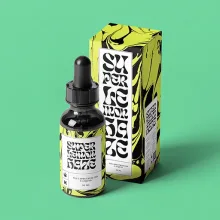
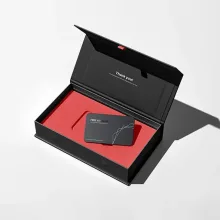
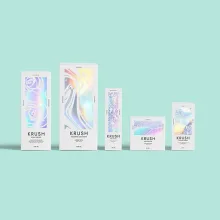
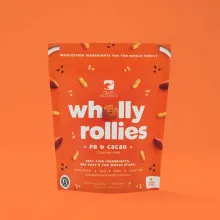






































Which press will my job run on?
Print method follows quantity, coverage, and how exact the color has to be. Nobody picks a press for fun, they pick it because of what the run needs. Digital handles short quantities and variable artwork with no tooling. Offset lithography gives the cleanest detail and the most control over ink, and it earns its setup cost once the run is long enough. Flexography is the workhorse for large corrugated runs with simpler graphics. The table below is the version of this conversation buyers actually have.
| Method | How it prints | Best run size | Color and detail | Watch for |
|---|---|---|---|---|
| Digital | Toner or inkjet applied straight to the sheet, no plates | Short runs, including orders at the 100-unit minimum | Strong full-color reproduction, handles photos well | Large flat solids can look less even than offset |
| Offset litho | Plates transfer ink to a blanket, then to the sheet | Medium to long runs | Sharpest detail and the tightest control over an exact brand color | Plate and setup cost must be spread across the quantity |
| Flexography | Flexible plates print directly onto corrugated | Long corrugated runs | Strong solid colors, less suited to fine detail and photography | Tight registration and small type are harder to hold |
How does ink coverage change what I get?
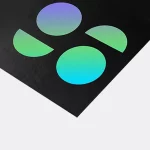
Heavy coverage is where the surprises live. A full-bleed dark solid on corrugated shows the flute pattern under raking light, and it shows more under gloss than under matte. Folding through a heavy ink layer can crack the surface along the score, and a dark solid displays that crack as a pale line. Uncoated and kraft surfaces absorb ink, so everything prints darker and duller than the same file on coated white board. Designs that leave open board are cheaper, more forgiving, and frequently read better on corrugated than an edge-to-edge solid.
Which finish is worth paying for?
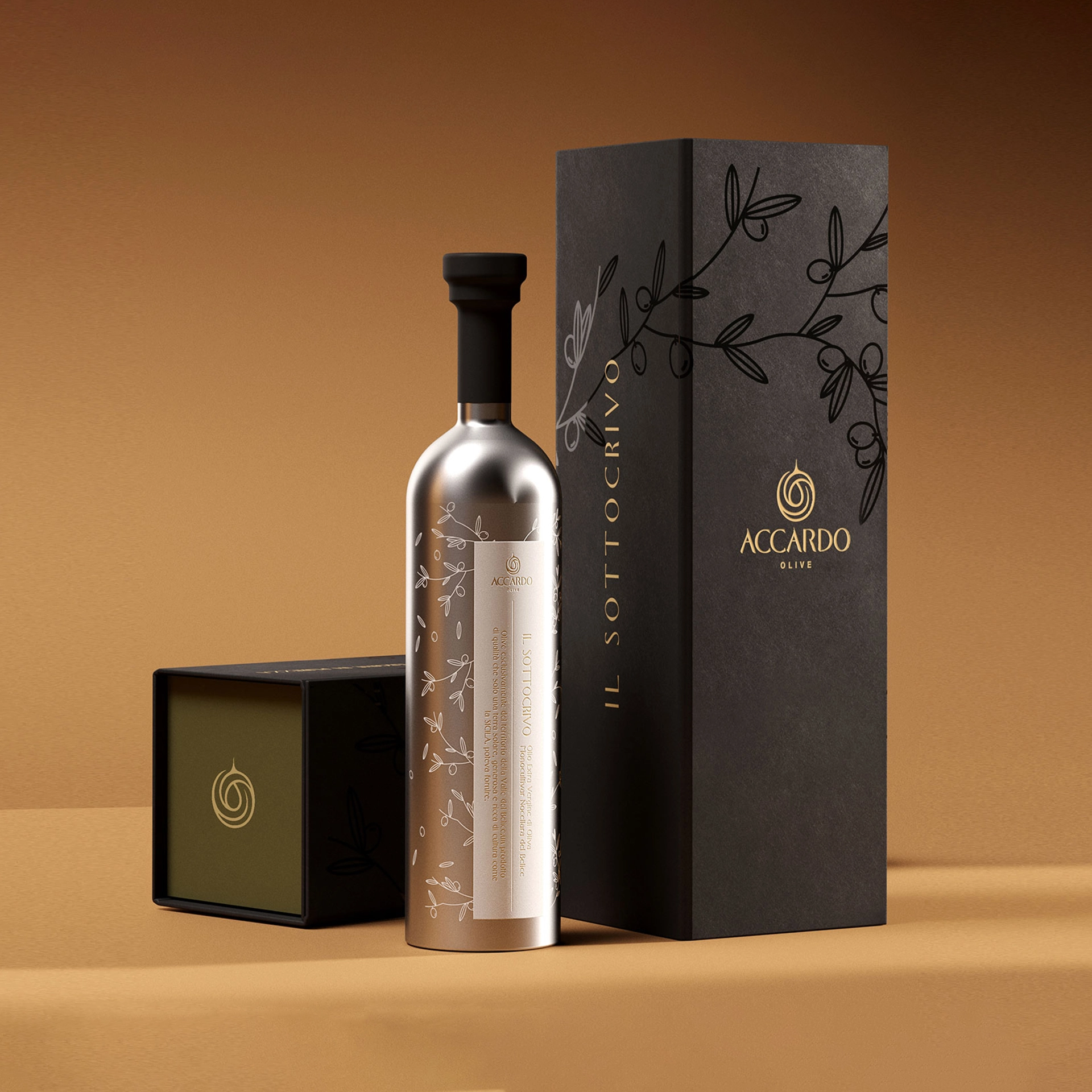
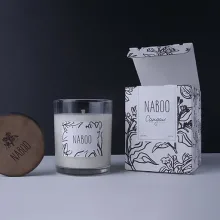
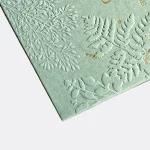
Gloss lamination pushes color saturation and resists scuffing in transit. Matte lamination flattens color slightly, feels better in hand, and shows handling marks more readily. Soft-touch is the velvet-feeling coating people notice immediately, and it also marks the most, especially over dark solids, so it belongs on a box that lives on a shelf rather than one that spends days in a carrier network. Spot UV is a gloss varnish applied only where you want it, which does nothing on a glossy box and looks sharp on a matte one. Foil stamping presses metallic film into the board with a heated die and produces a shine no ink can match. Embossing and debossing use a die to push the board into relief, with or without ink, and they work well on plain kraft where there is no print competing. Luxury packaging projects usually pair one tactile finish with restraint everywhere else.
What makes a print job take longer?
Tooling and extra passes. Foil and embossing each need a die made, and each is a separate trip through finishing. Tight Pantone matching adds press time. Construction like rigid boxes adds wrapping and assembly that flat-folded corrugated never needs. Production typically takes 8 to 10 business days after proof approval, plus delivery, and complex finishes or very large runs go past that. Ask for the schedule before you approve, not after.
How do I choose without gambling?
Finish decisions are tactile and close to impossible to make from a screen. The $19.99 sample kit exists for exactly that, since the difference between matte and soft-touch is obvious the moment you touch the board. Orders start at a 100-unit minimum and bulk pricing starts from $0.49 per unit at volume, so it is realistic to run a small first job digitally, learn what your artwork does on real board, then scale the version that worked. Design support is free on every order and US shipping is free. Send your artwork and quantity for a print recommendation.
Frequently Asked Questions
Should a small run print digitally or offset?
Short runs usually go digital, because there are no plates to make and setup is minimal, which keeps a small quantity affordable. Offset starts to make sense as quantity grows and setup cost spreads out, or when you need the tightest control over an exact brand color.
Will my Pantone color print exactly?
Spot ink gets you closest, and it is the right call when a brand color carries recognition. Printing that color as a process build will be an approximation, and the same ink looks different on coated white board than on uncoated kraft. Name the Pantone up front.
Does lamination make a box waterproof?
No. Lamination is a thin film over the printed surface that adds scuff resistance and either a gloss, matte, or soft-touch feel. Cut edges, exposed flutes, and the unlaminated interior are still bare board, so treat it as protection for the print rather than a barrier.
Is soft-touch lamination worth the cost?
It depends where the box lives. Soft-touch is the finish customers comment on, and it suits retail and gifting. It also scuffs more easily than gloss and shows fingerprints on dark solids, which makes it a poor choice for a box that spends days in a carrier network.
Do foil or embossing add time?
Yes. Each needs a die made, and each is an extra pass through finishing after printing. Production typically takes 8 to 10 business days after proof approval, plus delivery, and jobs with several finishing passes or very large quantities run longer than that.