

































































What packaging supplies do I need to ship an order?
Most orders need four things: an outer package, a way to keep the product from moving, a closure, and labels. The outer package may be a box, mailer, bag, or tube. The inside may need an insert or void fill. Tissue is a presentation choice, not a requirement. Start with the product and the route it will take, then buy the supplies that fit that job.
A custom packaging solution is a set of package parts chosen around one product and one packing method. A box that fits the product can still waste time at the packing table if the insert, label, or closure does not fit the same workflow.
Which box, mailer, bag, or tube fits the product?
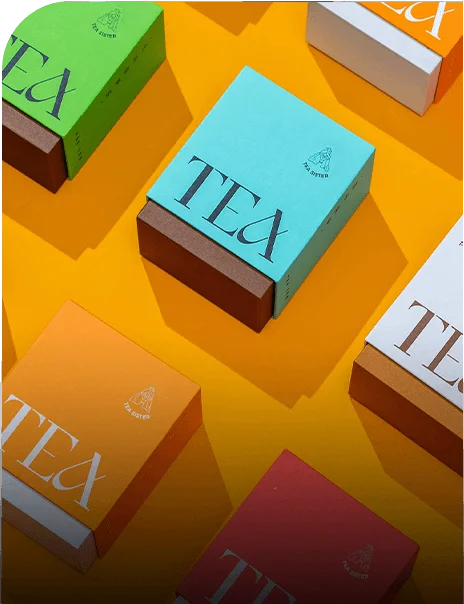
The outer structure should match the product shape and the way it ships. Custom mailer boxes are folding corrugated boxes with an integrated closing flap. They work when the product needs a defined shape and a parcel-ready outer package. Soft goods may need a bag or poly mailer instead. Long, narrow items may need a tube.
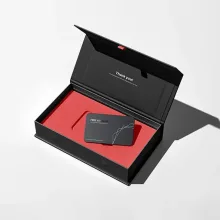
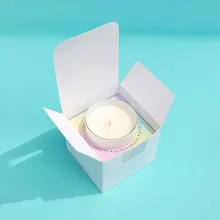
For a presentation package that needs to hold its shape, custom rigid boxes use thick chipboard wrapped with printed paper. A rigid box does not fold flat like a folding carton, so it suits a different storage and opening conversation. A tin can also make sense when the container is part of the product presentation. Review custom tin packaging as another product-specific direction.
What keeps the product from shifting inside the package?
An insert is a cut or folded interior piece that positions the product inside the outer package. It is useful when the product must face one direction, stay separated from another item, or arrive without rattling. Measure the packed product before the insert is drawn. An insert cut to the exact product size can grip it, while a loose cavity lets it move during handling.
Void fill closes open space around the product. Tissue paper adds a light wrap and a presentation layer, but it is not a substitute for a fitted insert when the product needs controlled placement. Use the smallest set of interior parts that does the job. Every extra part has to be stored, picked, and packed.
What do tape and labels need to do?
Tape closes the package. Labels identify the shipment and, for retail products, may carry a barcode or product information. Put a barcode on a flat, unobstructed panel, away from scores, seams, and heavy surface changes. Artwork with type too close to a score can become hard to read after folding, so leave the panel clear before the proof is approved.
Free design support includes drawing the dieline, which is the flat cutting template that shows panels, folds, scores, glue tabs, and bleed. A digital proof is the point to catch low-resolution art, RGB color shifts, missing bleed, or a barcode that will not scan.
How should I choose materials and finishes?
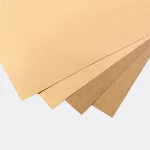
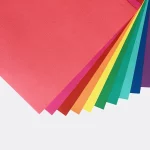
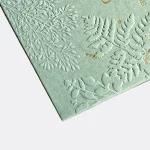
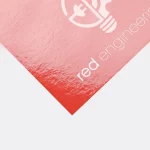
Kraft board has a brown surface that changes how ink appears. White board gives colors a cleaner base. Matte lamination reduces sheen and softens the surface. Gloss lamination reflects more light and makes printed color look sharper, but glare can affect readability. Spot UV is a clear, raised or glossy treatment placed on selected artwork areas. Foil adds a reflective metallic effect and needs a clean, separate area in the design.
For corrugated packaging, flute is the wave-shaped paper layer inside the board. E-flute is thinner and supports finer print detail. B-flute is thicker and gives more cushion and stacking strength. These are typical industry differences, not a promise of one board grade for every product. The product weight, dimensions, and pack-out determine the useful direction.
What should I order first when setting up fulfillment?
Lock the primary structure first. Then confirm the insert or void fill, followed by tissue or other presentation parts. Tape and labels can follow once the package dimensions and label panels are fixed. That order keeps you from buying an insert for a box that later changes size.
The MOQ is 100 units per item. Pricing is from $0.49 per unit at volume, quoted to spec. Production is typically 8 to 10 business days after proof approval, plus delivery. Free US shipping and free design support are available. A $19.99 sample kit gives you a physical reference before you commit to a full supply order. For food packaging, use the food packaging category and ask us about food-contact options for your product. If the package is still undefined, send the product details through our contact page.
Frequently Asked Questions
What packaging supplies are needed for a basic fulfillment setup?
A basic fulfillment setup needs an outer package such as a box, mailer, bag, or tube, plus a closure and shipping label. Add an insert when the product must stay in a fixed position, and use void fill when open space lets it move. Tissue is optional and belongs to the presentation plan.
What is the minimum order for custom packaging supplies?
The minimum order for custom packaging supplies is 100 units per item. Pricing is from $0.49 per unit at volume, quoted to spec, so the final quote follows the selected structure, material, print, finish, and quantity. The package type still determines the current quote.
How long does custom packaging production take?
Custom packaging production is typically 8 to 10 business days after proof approval, plus delivery. The clock starts after the proof is approved, not when the first inquiry is sent. Product dimensions and artwork should be ready early so the approval step does not stall. Delivery sits outside that production window.
Can I test packaging materials before ordering supplies?
A $19.99 sample kit lets you handle packaging references before placing a full order. Use it to compare board feel, surface finish, structure, opening, and possible insert fit. Free design support is also available when you need help turning product dimensions into a dieline.
Do you provide food packaging options?
Custom Packaging Lane has a food packaging category, but food-contact needs depend on the product and package. Ask us about food-contact options for your product before approving the format. A general box, mailer, or finish description does not settle the food-contact question.