























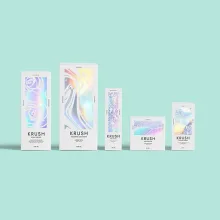
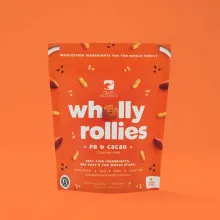
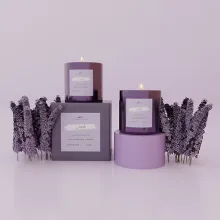
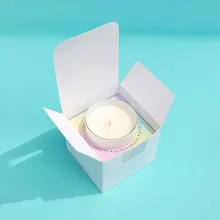



































Can I order custom packaging under 500 units?
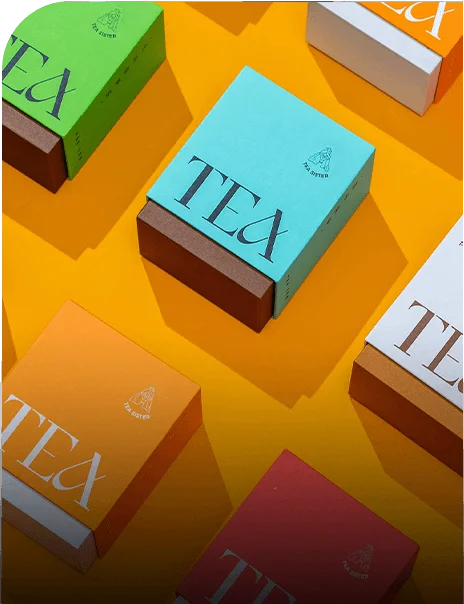
Yes, the MOQ is 100 units, so a focused custom packaging run under 500 units can start with one product or a small assortment. The useful question is what the first run has to do: launch one item, prepare a limited presentation, test a retail format, or replace a temporary package.
Quantity does not remove the need to solve fit, artwork, opening, and packing. A small order still needs a package that arrives in the right shape and works at the packing table. Define the package role before choosing the box, tin, sleeve, bag, or insert.
How should I plan a small packaging run?
Plan the run around the product and the decision you need to make. If only one product is ready, do not split the first quantity across several unapproved formats. If several products share a visual system, identify which package parts can stay consistent and which ones must change with the product dimensions.
| Planning point | Decision to make | Practical check |
|---|---|---|
| 100 units | Which product gets the first package run | Confirm the packed dimensions and quantity per item |
| Under 500 units | Which products or variations belong in the first order | Keep the assortment tied to the launch or test |
| Artwork readiness | Which panels, colors, and product details are final | Check bleed, scores, seams, and readable type |
| Fulfillment path | How the package is packed, displayed, or shipped | Test the opening and interior movement |
| Physical review | Whether the team needs a sample reference | Handle the structure before proof approval |
The first order should be small in scope as well as quantity. Every extra size or artwork variation creates another specification to approve and store.
Which formats fit a focused custom packaging run?
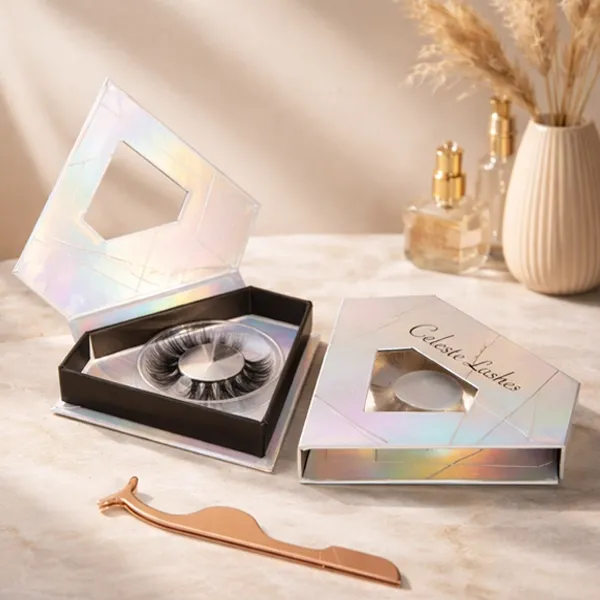
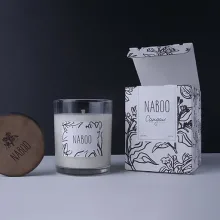
Custom tin packaging gives you a rigid container direction for a compact product presentation. Custom taper candle packaging frames a long product around its fit and opening. Custom stevia packaging and custom screw packaging show why product-specific dimensions matter. For a presentation-led food gift, review custom printed macaron packaging boxes.
Each format is a starting point. Confirm how the product sits, which panel faces the buyer, whether an insert is needed, and how the package moves through fulfillment. A dieline is the flat cutting template that maps those panels, scores, folds, glue tabs, and bleed before artwork is approved. A search for custom packaging boxes or custom retail packaging usually points to one of those fit and presentation decisions.
What should a small brand ask about custom packaging design?
Ask how the artwork will fit the selected structure. Type too close to a score can fold into the wrong place. Missing bleed can leave a white edge after cutting. RGB artwork can shift when it is converted for press. A digital proof is where you catch those issues, before production begins.
- What does the proof show about panels, folds, seams, and opening?
- Does the product need an insert or controlled clearance?
- Can the visual system work across the selected assortment?
- What quantity and destination belong in the current quote?
- Would a physical reference change the format decision?
Free design support is available when you need help organizing the brief and drawing the dieline. When a buyer searches for a custom packaging manufacturer, the useful comparison is the structure, proof path, production estimate, and delivery plan, not the label alone.
What does a smaller packaging run cost?
Pricing is from $0.49 per unit at volume, quoted to spec. It is not a flat price for every box, tin, sleeve, or product format. The quote follows the structure, dimensions, material, artwork, finish, quantity, and destination.
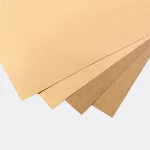
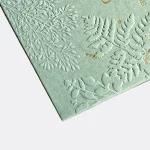
The MOQ is 100 units per item. Free US shipping and free design support are available. A $19.99 sample kit can help the team compare material feel, opening, print surface, and fit before choosing the final direction.
When does the production clock start?
Production is typically 8 to 10 business days after proof approval, plus delivery. Proof preparation, artwork edits, and internal signoff happen before that estimate begins. Include product dimensions and artwork early so the first run does not wait on a missing panel, unclear score, or unresolved insert.
What is the next step for packaging under 500 units?
Use the custom packaging solutions hub to compare package roles, then send the product dimensions, format, artwork status, quantity, and destination for a current quote. Ask us about food-contact options for your product if the package may touch food. A focused brief makes the 100-unit starting point useful.
Frequently Asked Questions
Does the 100-unit MOQ work for a run below 500?
Yes. Custom Packaging Lane has a 100-unit MOQ, so a focused run under 500 units can be planned around one product or a limited assortment. Pricing is from $0.49 per unit at volume, quoted to spec. The final quote follows the selected structure and project details.
Which custom packaging formats suit a small first run?
Boxes, tins, sleeves, bags, and product-specific structures can suit a small first run when the format matches the product, opening, display, and fulfillment path. Product dimensions and artwork status should be supplied before proof approval. Free design support is available for the packaging brief and dieline.
What is the starting price for packaging under 500 units?
Pricing for packaging under 500 units is from $0.49 per unit at volume, quoted to spec. That is a starting reference, not a flat price for every package. Structure, dimensions, material, print, finish, quantity, and destination affect the current quote.
How long does a small custom packaging order take?
A small custom packaging order is typically 8 to 10 business days after proof approval, plus delivery. The production estimate begins after the proof is approved. Artwork edits, product measurements, and internal signoff happen before that point.
Is a sample useful for a small packaging run?
A $19.99 sample kit is useful when a team needs to handle a physical reference before approving a small production run. Compare structure, material feel, opening, surface, and possible fit. The final proof still represents the selected product and package.