

























































What does custom packaging need to do?
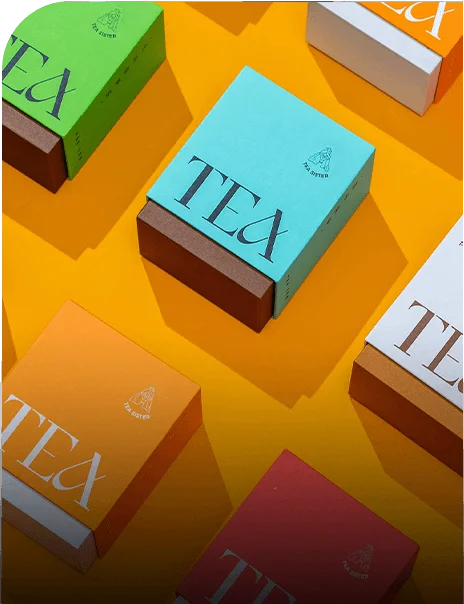
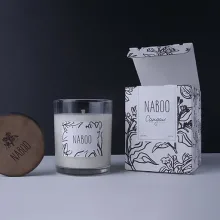
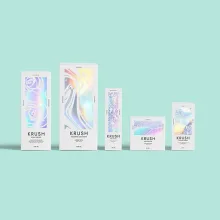
Custom packaging needs a clear job before anyone chooses a box shape. A retail package has to make the product name and first message easy to read. A shipped order has to keep the product organized through handling. A gift package may put more attention on the opening sequence. Custom Packaging Lane is a US-based packaging supplier, and the practical starting point is simple: describe the product, the sales setting, the opening, and the information that must appear on the package.
How do you turn a product idea into a packaging brief?
A packaging brief records the product, package purpose, approximate footprint, artwork status, opening direction, logo treatment, required copy, and any insert or closure idea. If the dimensions are still open, say so. If the product needs an insert, explain whether it must hold the product in a fixed position or separate pieces. Free design support can turn that information into a dieline. A dieline is the flat cutting and folding template used to plan the finished package.
| Packaging job | What to settle first | Artwork priority |
|---|---|---|
| Retail presentation | Front-facing panel and display direction | Product name and first message |
| Direct shipment | Closure, fit, and interior organization | Opening instructions and brand mark |
| Gift presentation | Opening order and inside reveal | Message placement and panel sequence |
| Repeatable brand system | Rules that can carry across formats | Logo, color, and copy hierarchy |
Which custom packaging formats should you review first?
Product pages make an abstract brief easier to discuss, but they do not replace a project-specific specification. Review custom tin packaging when the package itself may stay with the customer. Compare custom taper candle packaging when the product needs a focused presentation. Custom stevia packaging and custom screw packaging show why the product name, use context, and panel order belong in the first conversation.
What should custom packaging design solve?
Custom packaging design covers the visual order of the panels, product naming, supporting copy, logo placement, artwork position, interior message, and the way the package opens. Start with the panel the customer sees first. Then check whether type, a barcode, or a required instruction sits too close to a score. A score is a crease made for folding. Bleed is artwork that extends past the cut line, so a small cutting shift does not leave an unprinted edge. We send a digital proof before printing, which gives you a defined point to check copy, folds, and the assembled reading order.
How does a packaging supplier move from an idea to a proof?
Send the product dimensions, intended quantity, artwork or rough sketch, and the job the package must perform. The supplier uses that brief to discuss a structure, draw the dieline, and place the artwork on the flat file. The digital proof shows panel order before anything prints. Read it as an assembled package, not only as a flat image. Type near a fold, artwork on the wrong panel, or an insert cut too tightly is easier to fix before approval than after the run reaches a pallet.
How should you compare a custom packaging supplier?
Compare the supplier by the questions the process answers, not by a generic label such as custom packaging manufacturer. Ask who draws the dieline from the product dimensions, when the digital proof arrives, what quantity is quoted, and whether delivery is shown separately from production. The clock starts after proof approval. That detail matters when a launch date depends on artwork review, internal signoff, and delivery.
What are the order terms for custom packaging?
The minimum order quantity is 100 units. Pricing is from $0.49 per unit at volume, quoted to spec. Production is typically 8 to 10 business days after proof approval, plus delivery. Free US shipping and free design support are available. The $19.99 sample kit is credited toward the first order. For a broader format review, read custom packaging solutions before sending the brief.
Frequently Asked Questions
What is the first step for a custom packaging project?
The first step for a custom packaging project is a short brief with the product, package purpose, approximate footprint, quantity, artwork status, opening idea, and destination. If the format is undecided, describe the customer moment instead of guessing a box name. Free design support can then begin with useful project information.
Can custom packaging include retail-focused design?
Custom packaging can include retail-focused design built around the front panel, product name, supporting copy, logo placement, and display direction. Decide what a shopper should understand first, then check that the proof keeps that message readable on the finished package. The design still needs approval before production.
What is the minimum order for custom packaging?
The minimum order for custom packaging is 100 units. Include the intended quantity in the first inquiry because the quote also needs the package direction, artwork status, and delivery details. The 100-unit minimum is the starting quantity, not a promise that every format has the same final price.
How much does custom packaging cost?
Custom packaging pricing is from $0.49 per unit at volume, quoted to spec. That figure is a hedged starting point, not a flat price for every format or quantity. The approved package direction, artwork, quantity, and delivery details belong in the project-specific quote.
Can I review packaging options before a larger order?
You can review packaging options with the $19.99 sample kit, which is credited toward the first order. A sample kit helps you compare physical presentation and narrow the direction. The final project still needs its own dieline, digital proof, and approval against the actual product and artwork.