




























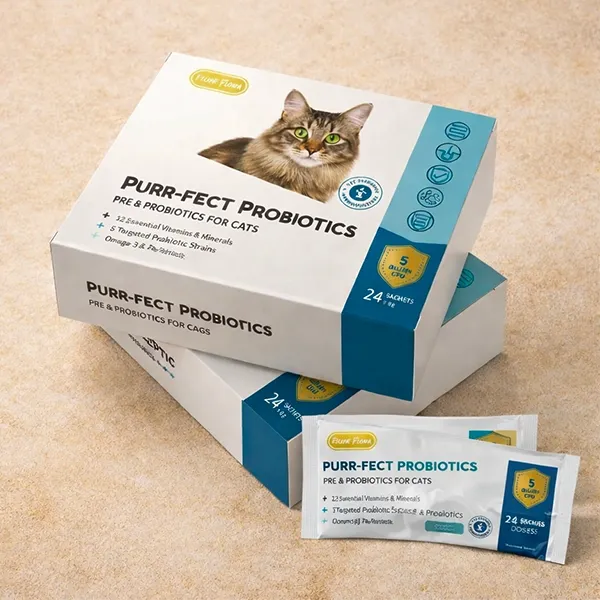




















































When should I consider a box instead of a custom poly mailer?
Consider a box when the product needs a defined shape, a controlled opening, or a more structured pack-out than a poly mailer provides. A custom poly mailer is a flexible outer bag. A box is a formed paperboard or corrugated structure with panels, folds, and a closing method.
The decision starts with the shipment. Ask how the product should sit, how the buyer should open it, whether the package needs to support a return, and how the team will pack it. A box is worth discussing when those answers require more control over the package shape.
What should I compare before replacing a mailer with a box?
Compare the product fit, outer presentation, packing method, storage, and return handling. Do not compare only the material name. A package that looks right in artwork can still be awkward if the product rattles, the insert takes too long to load, or the box does not fit the packing station.
| Buyer concern | Question for the box discussion | What to bring to the quote |
|---|---|---|
| Presentation | Should the outer package carry more of the brand experience? | Opening sequence and artwork direction |
| Product fit | Does the item need a defined shape? | Product dimensions and packed orientation |
| Fulfillment | How will the package move through packing? | Storage, pack-out, and delivery method |
| Return handling | Should the package be considered after delivery? | What the customer may need to do on return |
| Physical comparison | Would a reference package help the choice? | A $19.99 sample kit before proof approval |
This comparison does not make a box right for every shipment. It gives the quote a real job to solve.
Which alternative box fits the product?
For a bottle-oriented shipment, review custom woozy bottle boxes as a product-specific starting point. For a compact item, review custom vial boxes. A candle brand can compare custom votive candle boxes. For apparel or soft goods, look at custom undergarments boxes.
These formats show different product questions. A bottle needs its orientation and clearance considered. A vial needs controlled placement. A candle needs product fit and presentation. Soft goods may need more room for folding and packing. The final box direction still follows the actual product and route.
How do inserts and board choices change the box decision?
An insert is an interior piece that holds the product in a planned position. It can stop movement, separate parts, or set the opening order. Measure the product in its packed state. An insert cut too loose lets the product rattle. One cut too tight can slow packing or make removal awkward.
Corrugated flute is the wave-shaped paper layer inside a corrugated board. E-flute is thinner and prints fine detail well. B-flute is thicker and gives more cushion and stacking strength. These are typical industry differences. The useful board direction depends on product dimensions, packed weight, and how the box will be handled.
How can I test a box direction before final artwork?
Start with a written comparison between the current poly mailer and the proposed box. Note product fit, pack-out, opening, storage, artwork area, and return handling. Free design support can help organize the concept and draw the dieline, which is the flat cutting template for panels, scores, folds, glue tabs, and bleed.
The $19.99 sample kit can give the team a physical reference before the proof is approved. Check the opening motion, board feel, surface, product clearance, and whether the package can be packed without extra steps. A digital proof then shows the selected artwork on the structure.
What special-use questions should I raise early?
If the product may touch food, ask us about food-contact options for your product. If the package needs a child-resistant feature, describe the intended use early. Child-resistant is a feature we can build into the package, so it belongs in the brief before the structure and artwork are finalized.
What are the MOQ, price, and production timing?
The MOQ is 100 units. Pricing is from $0.49 per unit at volume, quoted to spec. Production is typically 8 to 10 business days after proof approval, plus delivery. Free US shipping and free design support are available.
For broader ecommerce format planning, use the ecommerce packaging hub. When you request current terms, include the product dimensions, box direction, artwork status, quantity, destination, and any insert or special-use question.
Frequently Asked Questions
Why choose a box instead of a custom poly mailer?
A box is worth considering when the product needs a defined shape, controlled placement, or a structured opening. A poly mailer is a flexible outer bag, while a box has panels, folds, and a closing method. Compare product fit, fulfillment, presentation, storage, and return handling before changing formats.
What is the MOQ for alternative packaging boxes?
The MOQ for alternative packaging boxes is 100 units. Pricing is from $0.49 per unit at volume, quoted to spec. Include product dimensions, box direction, artwork status, destination, and pack-out details so the current quote reflects the actual project.
How long does production take for an alternative box?
Production for an alternative box is typically 8 to 10 business days after proof approval, plus delivery. The clock starts after the digital proof is approved. Product measurements, artwork edits, and the mailer-versus-box decision happen before that production estimate.
Can a box include an insert or child-resistant feature?
A box can be discussed with an insert or a child-resistant feature when the product and intended use call for it. An insert positions the product inside the box. Child-resistant is a feature we can build into the package. Describe the need before proof approval.
How can I compare a box with an existing mailer?
Compare the box and mailer by product fit, opening, pack-out, storage, artwork area, and return handling. A $19.99 sample kit can provide a physical reference before proof approval. Free design support is available, and free US shipping applies to the stated offer.












