






























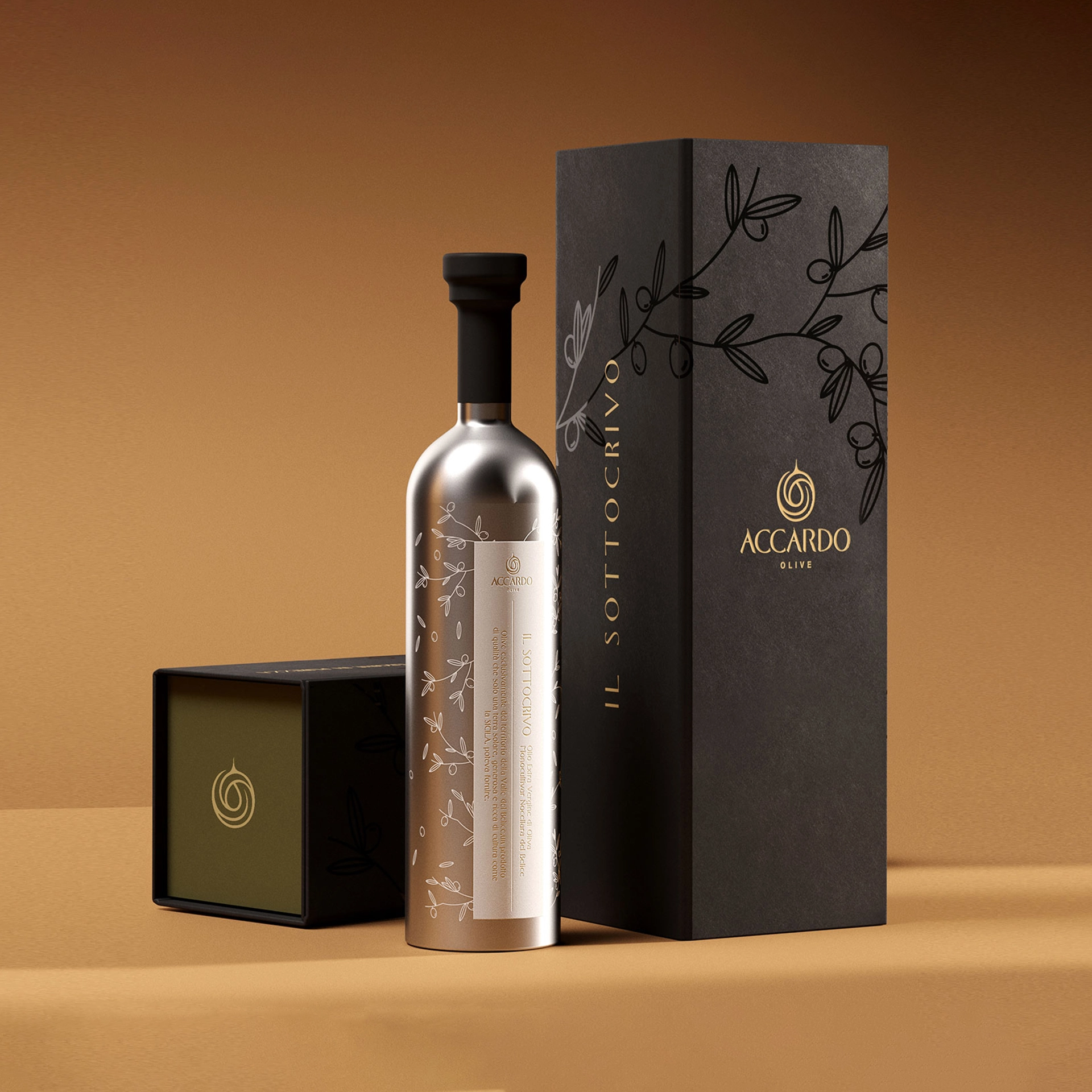























































What can actually be changed on a custom box?
"Custom" covers far more ground than most buyers realize on a first order. Eight things are genuinely adjustable: the structure, the exact interior dimensions, the board, how much of the surface carries ink, the coating on top of that ink, how the box closes, what holds the product inside, and whether the inside face is printed. You do not have to touch all eight. Most brands change two or three and leave the rest standard, which is usually the right call on a first run.
The eight options, and what each one actually does
| Option | What changes about the finished box | Choose it when |
|---|---|---|
| Structure | How the box folds, opens, and holds shape: mailer, rigid, tray and sleeve, tuck-front | The opening motion is part of how the product presents |
| Interior dimensions | How tightly the box hugs the product, and how much void fill you then need | You are paying to ship air, or the product rattles |
| Board | Stiffness and hand-feel; whether a wall flexes under thumb pressure | The product is heavy, fragile, or the box gets stacked |
| Print coverage | How much bare board stays visible versus washed in ink | Budget and brand look pull in different directions |
| Coating | Surface behaviour: matte softens, gloss sharpens, soft-touch adds grip | Fingerprints, glare, or tactile impression matter |
| Closure | Whether the box snaps, tucks, ties, or tapes shut, and whether it reopens well | The customer will reopen or keep the box |
| Insert | Where the product sits and what the buyer sees first on opening | Multiple pieces, or a staged reveal |
| Interior print | Whether the inside face carries color, pattern, or a message | The open box is photographed or shared |
Which options change the box most for the least money?
Interior dimensions, oddly. Sizing a box tightly to the product cuts void fill, drops shipping weight, and makes the whole thing feel considered rather than borrowed, and it costs nothing extra to specify because the die is being cut for you anyway. Coating is the second best value: swapping gloss for matte or soft-touch changes how the box reads in a photograph far more than most people expect, without touching the artwork. Interior print sits at the other end. It is genuinely lovely and it is a second pass on press, so treat it as a deliberate spend rather than a default.
Which choices constrain the others?
Structure and board come first, because they close doors. A soft mailer board will not carry a magnetic closure. A tray and sleeve wants a rigid build to keep its edges crisp. Once structure and board are set, print coverage, coating, and interior print can be decided almost independently of each other. Closure and insert sit in between: both depend on structure, neither depends much on print. If you are working through this for the first time, lock structure and board, then treat everything else as a second conversation. Free design support is included on every order, so that second conversation costs you nothing.
How much do you need to decide before asking for a quote?
Less than you think. Product dimensions and rough quantity are enough to start, and the minimum is 100 units. Everything above can be narrowed once you see options against your actual product. If you want to feel the difference between a kraft surface and a coated white one, or judge how a matte coat sits against gloss, order the sample kit for $19.99 first. It answers material questions faster than any description. Common starting structures are custom mailer boxes for shipped goods, custom kraft boxes for an unbleached look, and luxury packaging where closures and finishing carry the presentation. Bulk pricing starts from $0.49 per unit at volume. Bring your specs to contact us and we will tell you which combinations are worth the spend for your product.
Frequently Asked Questions
What can I actually customize on a packaging order?
Eight things: structure, interior dimensions, board, print coverage, coating, closure, insert, and interior print. Most brands change two or three on a first order and leave the rest standard, which keeps the decision manageable without making the box look generic.
Which customization gives the biggest improvement for the least money?
Interior dimensions. Sizing the box tightly to your product cuts void fill, lowers shipping weight, and makes the package feel deliberate, and it costs nothing extra to specify because the die is being cut for your order regardless.
Do some choices rule out others?
Yes. Structure and board come first because they close doors: a soft mailer board will not carry a magnetic closure, and a tray and sleeve needs a rigid build to keep crisp edges. Print, coating, and interior print can then be chosen almost independently.
Do I need to decide everything before requesting a quote?
No. Product dimensions and a rough quantity are enough to start, against a 100-unit minimum. Free design support is included on every order, so the remaining choices get worked through with you rather than being something you must resolve alone up front.
How can I judge materials and coatings before committing?
Order the $19.99 sample kit. Coatings in particular are hard to judge from a description, since matte, gloss, and soft-touch change how a box photographs and how it feels in hand far more than most buyers expect from reading about them.












