

























































What is the difference between embossing and debossing?
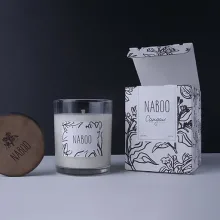
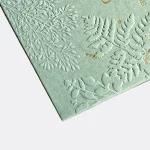
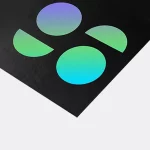
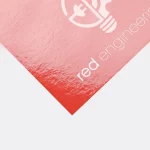
Embossing raises selected artwork above the package surface, while debossing presses selected artwork into it. Both finishes use pressure and a shaped tool to change the surface, so the result depends on the board, coating, artwork scale, and panel location.
Embossed marks catch light across the raised relief and can be felt from the front. Debossed marks create a recessed line or shape that sits inside the panel. Neither finish fixes weak artwork or a poor box structure. Start with the logo, lettering, pattern, or border that needs a surface change, then place it on the actual box panel.
The search phrases "emboss vs deboss," "embossing vs debossing," "debossing vs embossing," "embossed vs debossed," "deboss vs emboss," and "debossed vs embossed" all ask which surface direction fits the artwork and box.
For broader packaging format planning, visit custom packaging solutions. The finish decision still belongs to the specific box and the way a customer or packer touches it.
Which is better for a logo, embossing or debossing?
Embossing is the better fit when a logo should rise from the panel, while debossing is the better fit when the mark should sit inside the surface. Choose the direction that matches the logo scale, panel space, board, and the hand-contact moment.
| Approach | What the surface does | Useful when | Proof check |
|---|---|---|---|
| Embossing | Raises the selected mark | The logo should catch light and touch | Relief, placement, and fine detail |
| Debossing | Presses the selected mark inward | The panel should carry a recessed mark | Depth, contrast, and legibility |
| Foil with embossing | Adds reflective film to raised relief | The mark needs print contrast and texture | Foil coverage, relief, and hierarchy |
| Printed artwork | Uses ink without changing the surface | Color, copy, or illustration carries the design | Color, scale, bleed, and panel coverage |
How does box construction affect an emboss versus deboss choice?
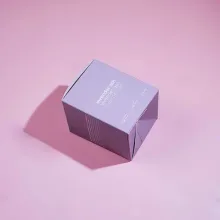
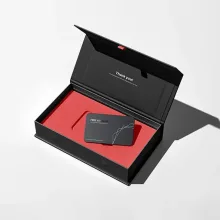
Box construction affects the finish because a rigid panel, a folding carton, a mailer, and a shipping box flex in different places. Rigid printed boxes use a rigid board core wrapped in printed paper, so the presentation panel does not fold like a mailer. That gives the finish a different surface to check.
Custom mailer boxes carry scores, flaps, and a closing sequence through direct fulfillment. Custom shipping boxes spend more of their life in handling and transit. Keep the embossed or debossed area away from scores, seams, closures, and interior fit zones unless the proof shows the placement works.
What should an embossed or debossed proof show?
An embossed or debossed proof should show the exact mark, panel, scale, relief direction, and relationship to folds and closures. It should also show the product name, other printed artwork, and the opening direction so the finish can be judged as part of the box.
- Check whether fine type and thin lines stay open at the actual size.
- Check whether the mark crosses a score, seam, glue tab, or closure.
- Check whether foil or ink competes with the raised or recessed area.
- Check whether the panel remains legible in the intended customer view.
- Check whether the board and finish direction match the written brief.
Free design support can help organize the dieline and finish location. A digital proof comes before anything prints, so use that checkpoint to fix the mark instead of trying to repair it after production starts.
How should print, board, and tactile finish work together?
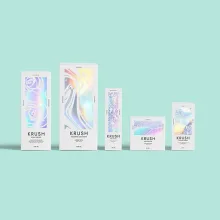
Print carries color and wording; embossing and debossing change the surface under that artwork. Large solid ink areas can make a small tactile mark harder to read, while a simple mark can give the relief more room. Ask for the proof with the final artwork version, not a placeholder logo.
Board surface matters too. A finish that reads clearly on a rigid wrapped panel may need a different treatment on a folding or corrugated surface. Keep the mark away from a score and leave enough space for the panel copy, barcode, or closure instructions.
What does emboss or deboss packaging cost?
Emboss or deboss packaging has pricing from $0.49 per unit at volume, quoted to spec. The MOQ is 100 units. Free US shipping and free design support are included, and the $19.99 sample kit gives the team a physical reference before the finish is locked.
Production typically takes 8 to 10 business days after proof approval, plus delivery. Put the artwork decision, box format, finish location, quantity, and destination into one brief before approval. If the package may touch food, ask us about food-contact options for your product. If it needs a child-resistant feature, mention that before the structure is finalized.
Frequently Asked Questions
Should a packaging logo be embossed or debossed?
Embossing is the better fit when a logo should rise above the package surface, while debossing is better when the logo should sit inside the panel. The choice depends on the logo scale, board, box structure, panel location, and hand-contact moment. Check the actual mark in a digital proof before approving the finish.
Can embossing and debossing be used with printed artwork?
Embossing and debossing can be planned with printed artwork when the surface treatment and ink hierarchy stay clear. State which mark, panel, or pattern receives the finish, then provide the final artwork version. The proof should show relief direction, printed coverage, legibility, folds, closures, and the opening view on the actual box format.
Does box type affect the emboss versus deboss choice?
Box type affects the emboss versus deboss choice because rigid boxes, mailers, and shipping boxes flex and handle differently. A rigid printed box has a presentation panel, while a mailer or shipping box has scores and closures to avoid. Share the box format, product, artwork, and handling path before selecting the finish.
What does Custom Packaging Lane pricing and ordering look like for this finish?
Custom Packaging Lane uses a 100-unit MOQ for emboss or deboss projects, with pricing from $0.49 per unit at volume, quoted to spec. Free design support and free US shipping are included. Ask for a project-specific quote that names the box format, board, finish, artwork status, quantity, and destination.
How should I plan the timing for embossed packaging?
Embossed packaging production typically takes 8 to 10 business days after proof approval, plus delivery. Plan measurements, artwork, finish location, internal check, and proof approval before that window starts. The $19.99 sample kit can support an early physical comparison, but the digital proof remains the approval checkpoint.