


















































Which flower arrangement box structure fits the display?
Start with what actually carries the flowers. A vase has a concentrated hard base, a lined foam block has a broad wet zone, and a hand-tied bouquet has no flat support unless a holder is added. The box must stabilize that inner component while leaving the floral canopy free. Measure the vessel footprint, its widest rim, total arrangement height, and the natural spread of petals or greenery. Also record ribbons, picks, handles, or cards that project past the arrangement.
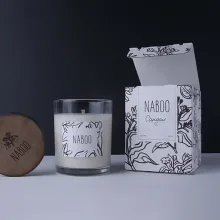
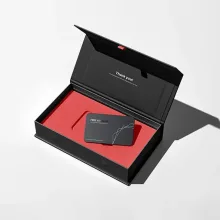
For a low centerpiece, a shallow two-piece rigid box can frame the arrangement without hiding it. A tall display often needs an open-top form with a fitted base collar. A magnetic flap works when the arrangement is meant to be revealed from the front, while a sleeve or drawer changes the removal path. A die-cut platform or collar is commonly used to stop a round vessel from sliding, but it should grip the container rather than the stems. See floral boxes for the core floral direction and magnetic closure gift boxes for a hinged presentation.
How should boxes for flower arrangements manage water and movement?
Paperboard is not a water reservoir. Fresh stems, wet foam, and water tubes need a separate vessel or liner that stays upright and contains moisture. The restraint should contact the pot, vase, or liner, not petals or stems. For local handoff, finger access can help remove the inner vessel without pulling on the flowers. For event setup, determine whether staff lift the arrangement straight up or release a front panel.
Movement should be controlled at the lowest stable point. A collar around the vessel rim, a platform around the base, or a compartment sized to the container can reduce lateral shift. Leave open space around the floral crown, especially when blooms are asymmetrical. If the arrangement includes favors, a card, or another accessory, give each item its own position so loose pieces do not rub the flowers.
Which stock direction fits presentation and transport?
For a flower arrangement that will travel inside a parcel system, E-flute or B-flute corrugated board is commonly used to add edge and compression strength around an upright inner vessel.
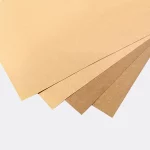
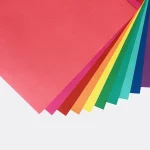
The flower-box quote can specify corrugated stock, rigid or press board, kraft or brown, white, colored, textured, foil metallic, or holographic stock. Name the use as hand delivery, event placement, retail pickup, or parcel shipping so the stock is evaluated against the real handling path. Wet components still need to stay inside their vessel, regardless of the decorative surface selected.
| Arrangement plan | Details to record | Structure to evaluate | Functional checkpoint |
|---|---|---|---|
| Vase or pot | Base footprint and widest rim | Fitted collar or platform | Restraint touches the container |
| Low foam centerpiece | Liner footprint and floral spread | Shallow two-piece or open-top base | Wet zone remains contained |
| Tall display | Completed height and lift direction | Open-top vertical support | Floral crown clears the walls |
| Gift reveal | Presentation face and canopy spread | Magnetic flap, sleeve, or drawer | Opening motion misses the flowers |
Which finishes work on floral gift packaging?
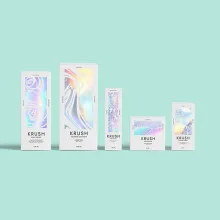
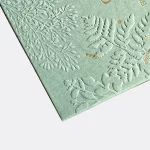
Spot UV can pick out a logo or small botanical detail. Foiling supports metallic names, dates, or event marks. Embossing and debossing add relief to areas that stay flat. Matte, glossy, soft-touch or silk lamination, aqueous coating, holographic foiling, raised spot UV, and crystal or liquid UV are listed finish directions for bouquet packaging. A PVC window can show part of the arrangement, but the opening should frame the flowers without letting petals rest against it.
Finish placement needs to follow the structure. Keep foil, raised coatings, and embossed details away from fold lines and the edges of a window cutout. For wedding or anniversary gifting, a restrained foil accent can reserve space for names or a date. For a more theatrical opening, origami boxes and custom butterfly gift boxes show how gift-box panels can create a reveal. The flower box still needs base restraint and canopy clearance.
What should flower arrangement boxes wholesale quotes specify?
Send a packout description, not just a reference photo. Identify the vessel or liner, base footprint, widest rim, completed height, canopy spread, opening direction, and how the arrangement will be carried. State whether the box is the presentation package, an inner support, or part of an outer shipping pack. Add the chosen stock, printing side, finish locations, window request, artwork, and whether the contents are inserted before or after the box is set up.
Orders begin at 100 units, with pricing from $0.49 per unit at volume. Production typically runs 8 to 10 business days after proof approval, plus delivery. Free US shipping and free design support apply, and a digital proof is sent before printing. The $19.99 sample kit lets you handle stock and finish examples before approving a direction.
The custom gift boxes collection is useful for comparing lid, flap, sleeve, and reveal styles against the planned flower arrangement. Include the chosen reference and the actual packout details in the quote request so the structure follows the vessel and opening path.
Frequently Asked Questions
How is a flower arrangement box different from a bouquet box?
A flower arrangement box usually supports a self-contained base such as a vase, pot, or lined foam block. A bouquet box more often organizes wrapped or hand-tied stems. The arrangement format therefore needs a stable vessel restraint, moisture separation, canopy clearance, and an opening path that does not pull against petals or greenery.
What should a florist measure for box arrangement flowers?
Measure the vessel's base footprint, widest rim, completed arrangement height, and the floral canopy at its natural widest point. Include projecting leaves, ribbon loops, picks, cards, and handles. Record whether the arrangement lifts straight up or exits through a front opening, because the removal path can require more clearance than the resting display.
How should moisture be handled inside boxes for flower arrangements?
Fresh flower boxes should keep wet foam, water tubes, and reservoirs inside a separate vessel or liner. Paperboard should not serve as the water container. Restraints should contact the vase, pot, or liner rather than stems and blooms. Tell the packaging supplier how the arrangement is watered, carried, and removed before choosing the support.
Which opening works for an arrangement presented as a gift?
Choose the opening around the recipient's removal motion. A low centerpiece can lift from a shallow base, while a tall display may need an open top. A magnetic flap creates front access, and a sleeve or drawer creates a horizontal reveal. In every case, the closure must clear the floral canopy and any projecting decoration.
Can flower arrangement boxes include a window and special finishes?
A PVC window can reveal part of the arrangement when the panel keeps enough border around folds and corners. Keep petals clear of the window surface. Spot UV, foiling, embossing, debossing, and matte, glossy, soft-touch, or silk lamination can be placed around the viewing area, with artwork separating each finish location clearly.