




























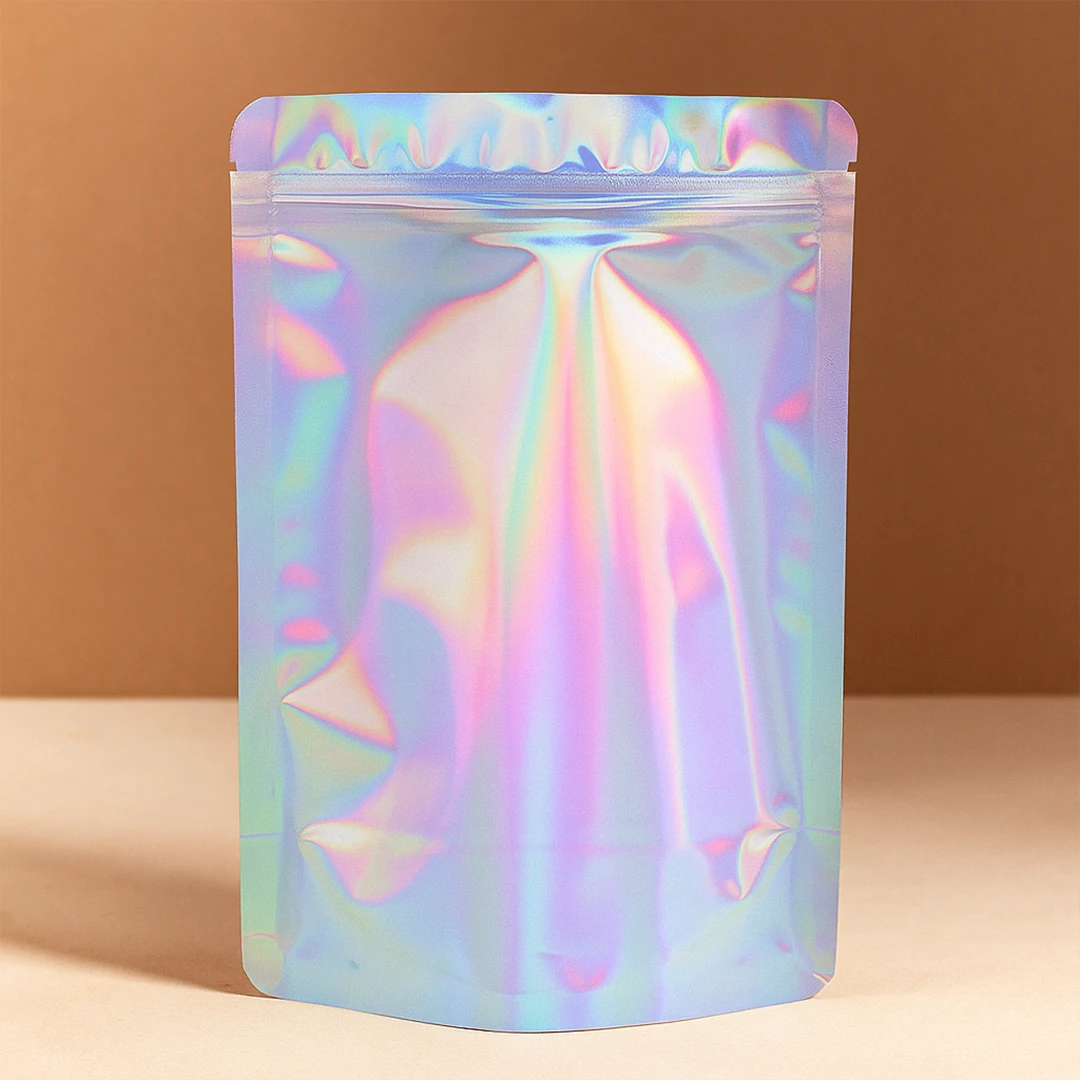




















































What is holographic packaging?
Holographic packaging uses a reflective visual treatment that can shift in appearance as the package, light, or viewing angle changes. It is often chosen when a box needs a more noticeable shelf or gift presentation. Holographic artwork can be used as a broad field, a selected panel, or a supporting accent. The design should decide how much movement and reflection the package needs before the finish is applied.
Holographic treatment is only one part of the package. The structure, printed content, product visibility, and opening experience still determine whether the result is useful. For a broader structure and finish conversation, visit Custom Packaging Solutions.
When does custom holographic packaging make sense?
Custom holographic packaging is a good direction when the brand wants the surface to contribute visible energy and the product benefits from a distinctive presentation. It can be considered for gift boxes, retail cartons, and other branded formats where reflective movement supports the product story. The goal should be clear. A finish that attracts attention should not make the product name or important information harder to read.
For category-specific packaging conversations, review wine box packaging, seed packaging, and private label packaging. These formats can help clarify whether holographic treatment belongs on the full box, a focal panel, or a smaller brand element.
How do holographic and metallic packaging compare?
| Direction | Visual behavior | Useful when | Design caution |
|---|---|---|---|
| Holographic | Reflective appearance can shift with light and angle | The package needs movement and visual attention | Busy artwork may compete with the effect |
| Metallic | Reflective appearance is generally more consistent in tone | The design needs a controlled metallic accent | The finish should support readable contrast |
| Printed color | Color and imagery carry the visual emphasis | The brand needs predictable graphic hierarchy | It does not provide the same reflective movement |
These are style tendencies, not promises of a specific finish result. Artwork, coverage, lighting, and structure influence the final appearance. A proof is important for checking how the reflective treatment interacts with logos, copy, images, and any window or opening.
How should candy packaging use metallic and holographic effects?
Searches for metallic and holographic candy packaging suggest a need to balance shelf visibility with clear product communication. A metallic element can provide a controlled reflective accent, while holographic treatment can add more movement. For candy packaging, ask about food-contact options if the packaging may touch food. Keep the visual finish separate from food-contact questions and review the complete package with the intended product.
The package still needs an intentional structure and readable information. A broad holographic field may suit a bold gift presentation, while a smaller panel may keep the brand name easier to find. Explain the product, dimensions, artwork, and desired effect before proof review.
Which holographic box formats should I consider?
A holographic packaging box can be designed around the product rather than around the finish alone. Wine packaging may use a reflective front or label-inspired detail. Seed packaging may use a focused panel or pattern. Private label packaging may need a repeatable brand system that works across more than one product. For other packaging routes, consider wax packaging and shoe box packaging.
What should I prepare before ordering holographic packaging?
Prepare the product type, dimensions, opening style, artwork, quantity, and a clear note on whether the holographic effect should cover the whole package or only selected areas. Free design support can help translate that direction into a proof. Orders start at 100 units, and pricing is from $0.49 per unit at volume. A $19.99 sample kit can help you review physical directions. Free US shipping is available.
How long should I plan for holographic packaging production?
Production typically takes 8 to 10 business days after proof approval, plus delivery. This typical planning window can vary. Proof approval is where the artwork, reflective areas, and structure are confirmed before production. If the packaging may touch food, ask about food-contact options. If you need a child-resistant feature, discuss it as a feature to build into the project.
Is holographic packaging the right finish for my product?
Holographic packaging is a fit when reflective movement supports the brand and the artwork can stay legible around it. It may be less appropriate when the package needs a quiet, restrained surface or when the design has dense small details. Share the product and visual direction so holographic, metallic, and printed alternatives can be compared honestly.
Frequently Asked Questions
What does holographic packaging do?
Holographic packaging creates a reflective visual treatment that can shift as the package or viewing angle changes. It is commonly considered for boxes and gift presentations that need more shelf or unboxing attention. The effect should be balanced with the product name, artwork, and structure so reflection adds interest without reducing clarity.
What is the difference between metallic and holographic packaging?
Metallic treatment generally aims for a more controlled reflective tone, while holographic treatment can create more visible movement across light and angle. Both can be used as broad fields or selected accents. The better choice depends on the brand mood, artwork, product presentation, and how much visual change the package should create.
Can I use holographic packaging for candy?
Holographic or metallic effects can be considered for candy packaging when the artwork and structure support the product presentation. If the packaging may touch food, ask about food-contact options. Review the complete package in proof with the intended product and required information before production.
What is the MOQ for holographic packaging boxes?
The MOQ is 100 units. Pricing is from $0.49 per unit at volume, with the final project depending on the selected box, artwork, finish, and quantity. Free design support is available, and free US shipping can support eligible US delivery planning.
How long does holographic packaging take to produce?
Production typically takes 8 to 10 business days after proof approval, plus delivery. This is a typical planning timeframe. The proof confirms the reflective treatment and artwork before production. A $19.99 sample kit is available if you want to evaluate physical packaging directions first.












