




























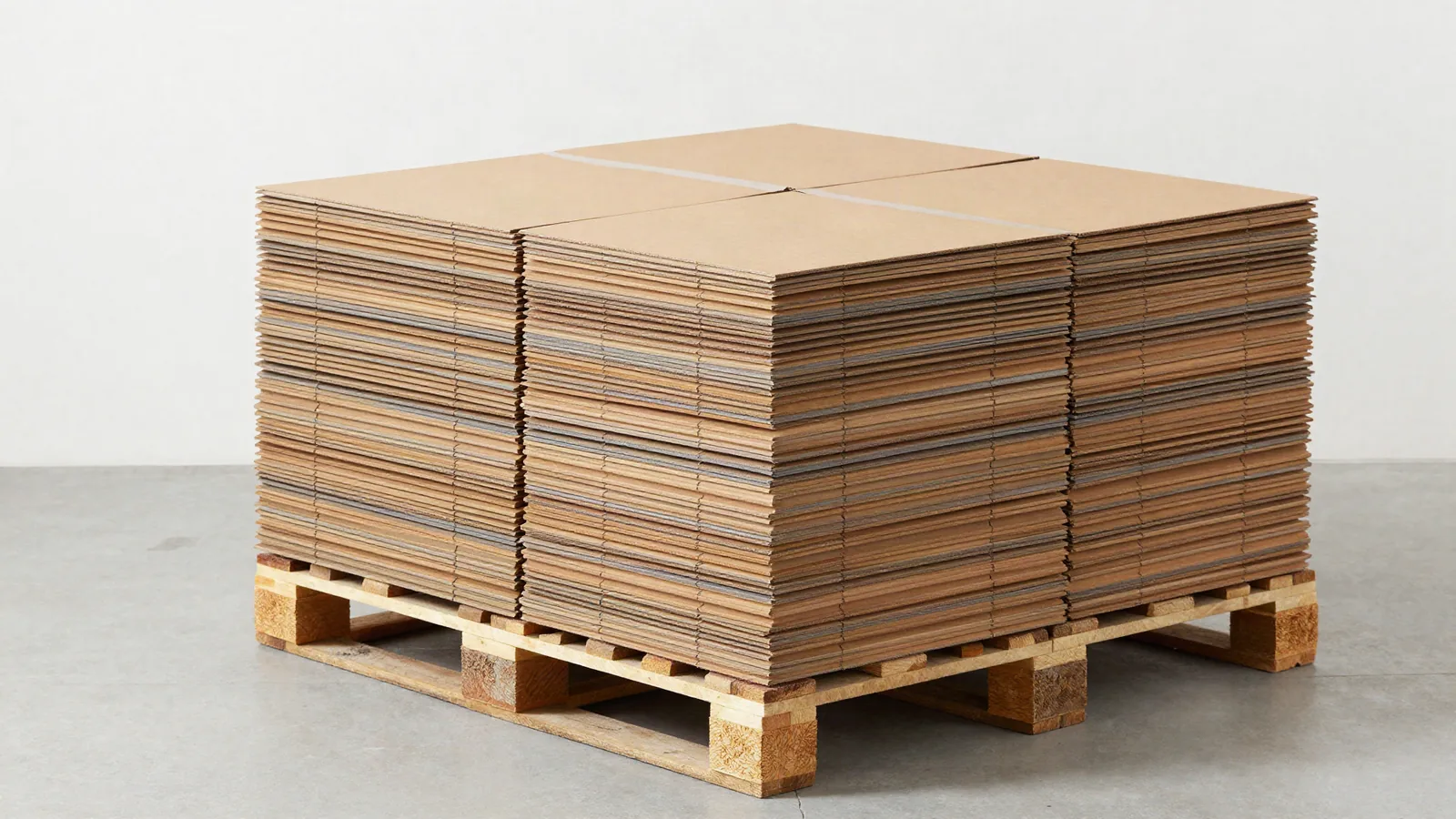




















































Custom toy packaging pricing starts with the package build around the toy. Toy packaging is the printed outer structure, plus any insert, window, tray, or closure needed to hold and present the item. The quote needs product dimensions, number of components, pack-out order, box structure, artwork, finish, quantity, and destination. That is the information behind a useful toy box cost per unit.
What determines custom toy packaging pricing?
Box structure and product fit come first. A dieline is the flat cutting template for the box, with panels, scores, cut lines, and glue tabs laid out before printing. Draw it from the packed toy and its components. A box that fits the product but ignores the insert or closure can force a redesign after the quote.
Board choice also changes the job. Paperboard is suited to folding cartons. Corrugated board uses a fluted layer between liners. Flute is the wave-shaped middle layer, and its thickness affects stacking and handling. E-flute is thinner and usually takes finer printed detail than B-flute. If the toy needs shipping protection, name the board direction instead of asking for a generic toy box.
How does pack-out affect the toy box quote?
Pack-out is the way the toy and its separate pieces are placed into the package. A multi-piece toy needs a placement plan so the insert, compartments, or wrap do not hide the parts the customer should see first. State what gets loaded first, whether the package ships or goes to a shelf, and how the box should open.
An insert should hold the toy through ordinary handling without leaving room for rattle. Check the fit with the actual product. A screen drawing can miss a tab that catches during loading, a score that lands under a component, or a window that cuts through a printed panel.
Which toy packaging features should be listed?
List every requested feature in the quote: an insert, window, tuck direction, drawer, perforated opening, or special closure. Each feature changes the dieline, printed area, or finishing discussion. Do not assume a feature is part of a base box because the product category suggests it.
| Quote field | What to state | What it controls |
|---|---|---|
| Product arrangement | One toy or multiple components | Insert design and pack-out order. |
| Box structure | Folding carton or corrugated box | Dieline, board direction, and opening. |
| Artwork | Logos, illustrations, copy, and printed panels | Digital proof scope. |
| Surface | Kraft or white board, matte or gloss, foil, or spot UV | Color base and finish check. |
| Quantity | 100 units minimum | Order basis for the quote. |
| Proof | Digital proof before anything prints | Final check for layout and features. |
What artwork problems should I catch before toy proof?
Check the toy artwork at the digital proof stage, before anything prints. Low-resolution illustrations can look soft. RGB art can shift when it is converted for press. Type set too close to a score can fall into a crease, and missing bleed can leave a thin unprinted edge after cutting. If the package has a window or perforation, check that the cut line does not remove a logo or important illustration.
Free design support can help organize the dieline and the artwork panels. Keep the physical toy beside the digital proof. A drawing can show the intended fit, but only the actual product exposes a tight insert, an awkward loading step, or a component that blocks the opening sequence.
Which CPL product pages help compare toy packaging formats?
Start with toy boxes for the direct category reference. Private-label packaging is useful when toys sit inside a broader branded line. Seed packaging and shoe box packaging provide adjacent format references for comparing outer structures. The toy quote should still follow the actual product fit, component layout, and requested features.
How do MOQ, pricing, and production fit a toy budget?
CPL uses a 100-unit MOQ. Pricing is from $0.49 per unit at volume, quoted to spec. Production is typically 8 to 10 business days after proof approval, plus delivery. Free US shipping and free design support are available. Put the component layout and any insert, window, or closure in the first request so the estimate covers the build you expect to approve.
Can a sample reveal toy packaging problems?
The $19.99 sample kit gives you a physical packaging reference before the toy structure and artwork are approved. Inspect scale, folds, surface, opening, and the relationship between the outer package and the product. The sample kit cost is credited toward the first order. It is a reference, not the final toy proof.
Where do I start a toy packaging quote?
Begin with custom packaging solutions and send the toy dimensions, component list, loading order, box structure, artwork status, board direction, finish, quantity, and destination. Ask for free design support if the dieline is not ready. The next step is a quote tied to the actual toy package, not a category average.
Frequently Asked Questions
Does the toy determine the packaging price?
The toy determines the fit and pack-out questions, but the packaging price follows the selected box specification. State the packed dimensions, component layout, insert or window needs, artwork, finish, quantity, and destination. CPL then quotes the package being built instead of assigning a unit figure from the toy category alone.
Why can two toy boxes have different unit prices?
Two toy boxes can have different unit prices when their structures, board, printed panels, finishes, inserts, windows, or quantities differ. Compare complete specifications. CPL pricing is from $0.49 per unit at volume, quoted to spec, with a 100-unit MOQ. The package details should sit beside every figure being compared.
Can CPL help draw a toy box dieline?
CPL provides free design support for the toy package direction and dieline. A dieline is the flat cutting template that lays out the box panels, scores, cut lines, and glue tabs. Send the toy dimensions, components, opening sequence, artwork status, and requested features before the digital proof is prepared.
What does the toy packaging sample kit cost?
The toy packaging sample kit costs $19.99 and gives a buyer a physical reference for folds, surface, scale, and opening behavior. It is not the final toy package or proof. The sample kit cost is credited toward the first order, while the final quote follows the approved structure, artwork, finish, quantity, and destination.
When does toy packaging production begin?
Toy packaging production is typically 8 to 10 business days after proof approval, plus delivery. The timing begins after the digital proof and package direction are approved. Send the product fit, component layout, artwork, and requested features early so open pack-out questions can be settled before approval.












