
























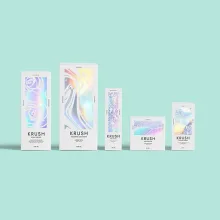
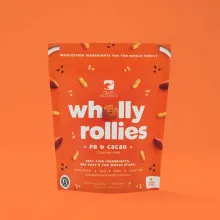
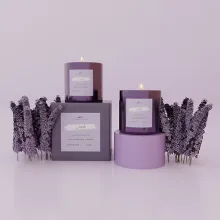
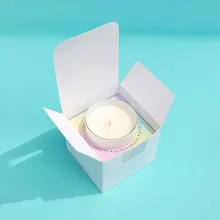



































What is the difference between kraft and white boxes?
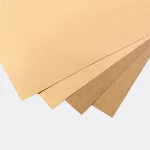
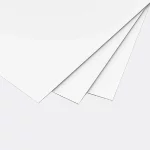
Kraft vs white boxes is a choice between a visible paper tone and a lighter neutral base. Kraft paper brings a warm brown or tan starting point to the package. White board gives artwork a light surface that does not add the same brown cast. The box style, print coverage, and finish still matter, so the material name alone cannot decide the result.
Kraft puts the substrate into the design. White gives the artwork more control over the background. If the box uses dark ink and open areas, kraft may be the natural fit. If the design depends on light fields, fine color separation, or a bright backdrop, white may be easier to proof. Ask to see the actual surface before the file is final.
When does kraft make sense for a box?
Kraft makes sense when the paper tone should remain visible and the artwork can work with it. Simple marks, dark type, line drawings, and open background areas can sit comfortably on kraft paper. The surface can feel tactile and restrained because the package does not need a solid color field across every panel.
That choice has a tradeoff. The kraft tone can warm colors and reduce the brightness of light artwork. A small logo or thin type may lose contrast if the ink treatment and paper are not checked together. A digital mockup is useful for layout, but the proof should show the selected kraft surface before approval.
When is a white box the better print surface?
White is often the better starting surface when the artwork needs a neutral background. Product names, shade cues, illustrations, and light color fields can be planned without the kraft tone sitting underneath them. White also separates the printed design from the brown or tan look associated with kraft.
White alone does not fix color control. Board, ink coverage, coating, and the proof still control what the buyer sees. Check the parts of the artwork that matter most: the background, small text, thin lines, and any color that must stay distinct between variants.
How should you compare kraft and white boxes before ordering?
Compare the base surface, artwork behavior, and first visual read in the same proof. Use this working table:
| Buyer check | Kraft direction | White direction |
|---|---|---|
| Base appearance | Warm paper tone remains visible | Light neutral background |
| Artwork planning | Design with substrate tone in mind | Design around a lighter background |
| Open areas | Paper shows where ink is not printed | White board shows through |
| Best proof check | Color contrast against kraft | Light fields and variant separation |
The table describes the material decision, not a final box specification. Ask which areas will remain unprinted, what finish is planned, and whether the proof uses the same base direction. If the package has a score close to type or a barcode, inspect that relationship before approval.
Which kraft box formats can you review?
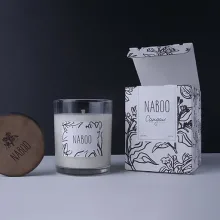
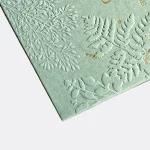
The format changes the way the material is seen. Color tinted kraft tuck top gift boxes put the paper direction into a gift opening. Kraft food boxes put more attention on closure, interior contact questions, and handling. Kraft display boxes need a face that reads while the product is on display.
Use these product pages to name a starting format, then provide the actual product dimensions and packing method. If the package may touch food, ask us about food-contact options for your product. Do not infer suitability from the word kraft or white.
What should a kraft or white box quote include?
A quote request should state the format, dimensions, artwork status, finish direction, and where the substrate should remain visible. Include the 100-unit MOQ so the conversation starts at the right quantity. Pricing is from $0.49 per unit at volume, quoted to spec, rather than a flat price for every material and size.
Free design support includes help drawing the dieline, which is the flat cutting and folding template for the box. You receive a digital proof before anything prints. Production typically takes 8 to 10 business days after proof approval, plus delivery. Free US shipping is available.
How can you compare the two materials physically?
A $19.99 sample kit gives you a physical reference for the paper surface, folds, opening, and print direction, and it is credited toward the first order. Compare the sample under the light where the package will be viewed. Then use the preferred material in the proof and send the approved direction through custom packaging solutions.
Frequently Asked Questions
When is kraft packaging a good choice?
Kraft packaging is a good choice when the paper tone should remain visible and the artwork can work with that starting surface. Dark ink, open background areas, and simple line work can fit the direction. Ask for a proof on the selected kraft surface because the paper tone can warm colors and change contrast.
Do white boxes print better than kraft boxes?
White boxes provide a lighter, more neutral starting surface, so they can make light artwork and color fields easier to plan. Kraft boxes put the paper tone into the result and can warm or mute some colors. Neither material prints better in every job. Compare the board, artwork, ink coverage, and proof together.
What quantity can I order for custom kraft or white boxes?
Custom kraft or white box orders use a 100-unit MOQ. Pricing is from $0.49 per unit at volume, quoted to spec, and the final quote follows the format, dimensions, artwork, finish, and quantity. Send the product details with the material choice so the quote reflects the actual box brief.
How should I interpret packaging pricing?
Packaging pricing is from $0.49 per unit at volume, quoted to spec. That figure is a qualified starting point, not a flat price for every kraft or white box. Construction, dimensions, print treatment, inserts, finish, and order quantity shape the final quote. Use the material comparison to choose a direction, then request project pricing.
How can I compare the materials before approving a proof?
A $19.99 sample kit lets you compare kraft and white packaging by touch, surface appearance, folds, and opening before the final proof. The sample kit is credited toward the first order. Free design support can help turn the preferred material into a dieline, and free US shipping is available.