





























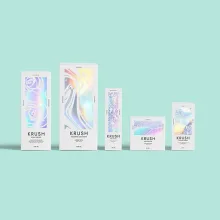
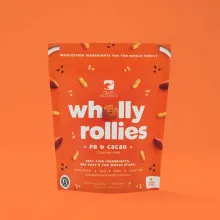
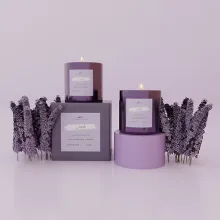
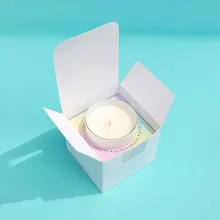




































What does moisture resistant packaging need to address?
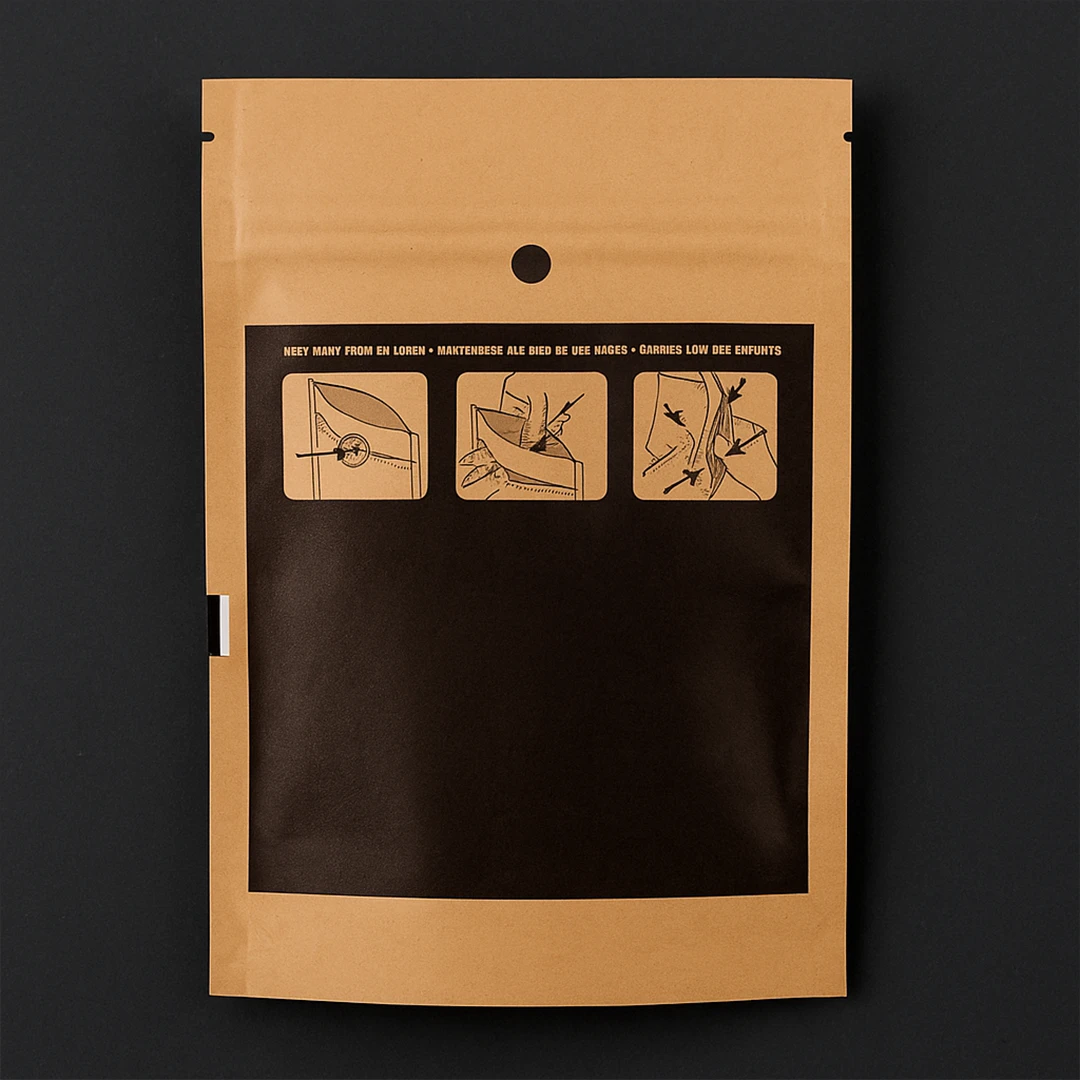
Moisture resistant packaging is a construction question, not a promise attached to a paper name. Buyers should map where moisture may come from, such as the product, storage conditions, condensation, handling, or delivery. The package format, seams, closure, surface treatment, liner, and insert can all affect the discussion. The useful goal is to match the proposed construction to the actual exposure instead of asking for a generic label.
Start with the product and the package job. A box for a wax product may raise different questions from a towel package, a sock package, or a shoe box. Share the whole path from packing to customer receipt.
Which material directions should you compare?
| Material direction | Useful starting point | Questions to confirm |
|---|---|---|
| Uncoated paperboard | Appearance and folding direction | Exposure, surface, closure, and storage |
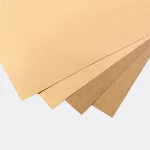
| Treated or coated paperboard | Surface protection discussion | Treatment, folds, seams, proof, and use context |
| Corrugated outer structure | Structured package format | Board construction, inner layer, closure, and delivery path |
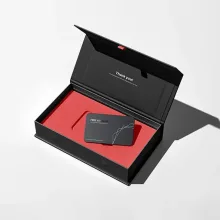
| Liner or insert | Separation and product fit | Material, placement, removable parts, and product contact |
A treatment can be part of a moisture plan, but it does not answer every exposure question. Ask for the exact construction and a representative sample.
How should you map moisture exposure?
List the likely source, duration, and location of exposure in plain language. Is the concern a damp product, condensation during handling, storage near moisture, a spill risk, or a delivery environment? Also note whether the package must open cleanly, display the product, hold an insert, or protect printed panels. This information helps the supplier discuss board, surface, seams, and closure together.
Do surface and closure choices change the result?
Yes, the surface and closure are part of the package system. A package can have a different exposure profile at folds, corners, openings, or seams than it has on a broad printed panel. Ask which areas need extra attention and how the proposed format will be handled. Keep any moisture wording tied to the construction reviewed in the quote and sample.
Which formats can begin a moisture review?
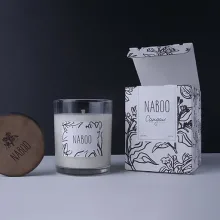
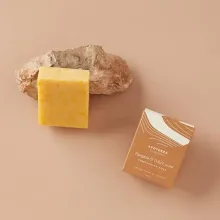
Use wine box packaging, wax packaging, and towel packaging as product-format starting points, then consider private label packaging when the final package needs a broader brand system. These links do not guarantee a moisture result. Share the actual exposure, product fit, closure, and delivery brief.
What should a moisture resistant packaging quote include?
- The product, package style, closure, and insert requirements.
- The likely moisture source and the parts of the package most affected.
- The proposed board, surface treatment, seams, folds, and artwork coverage.
- The proof and sample path for reviewing the finished format.
- The quantity, delivery context, design support, and shipping details.
How can you evaluate the package before production?
Custom orders use an MOQ of 100 units. A qualified planning reference is pricing from $0.49 per unit at volume. Production is typically 8 to 10 business days after proof approval, plus delivery, with free design support and free US shipping. The $19.99 sample kit can help compare the physical direction. Visit custom packaging solutions for the next package discussion.
Frequently Asked Questions
What makes packaging moisture resistant?
Moisture resistance comes from the complete package construction, including the board, surface treatment, seams, closure, inserts, and exposure context. No generic paper label answers every use case. Describe where moisture may come from and ask the supplier to explain what the proposed construction is intended to address.
Is coated paperboard enough?
A coating can be one part of the discussion, but it does not automatically settle the result. The package format, fold lines, seams, closure, product contact, and handling environment still matter. Request the material description and a representative sample before treating a coated surface as the whole moisture plan.
What products can use moisture resistant packaging?
Wax, towels, socks, shoes, wine, seed products, and private label goods can each raise different moisture questions. The product category is only a starting point. Share the product's presentation, storage, packing, and delivery context so the supplier can discuss a suitable format and surface direction.
Does moisture resistant mean waterproof?
No. Moisture resistant packaging should not be described as waterproof without a specific, verified construction and use statement. Ask what exposure the package is intended to address, how seams and closures are handled, and what the proof or sample shows. Keep the final wording tied to the agreed project.
What planning information should I send?
Send the product, expected moisture exposure, package style, closure, insert, artwork, storage context, and delivery route. Custom orders use an MOQ of 100 units. Pricing from $0.49 per unit at volume is a qualified reference, while production is typically 8 to 10 business days after proof approval, plus delivery.