























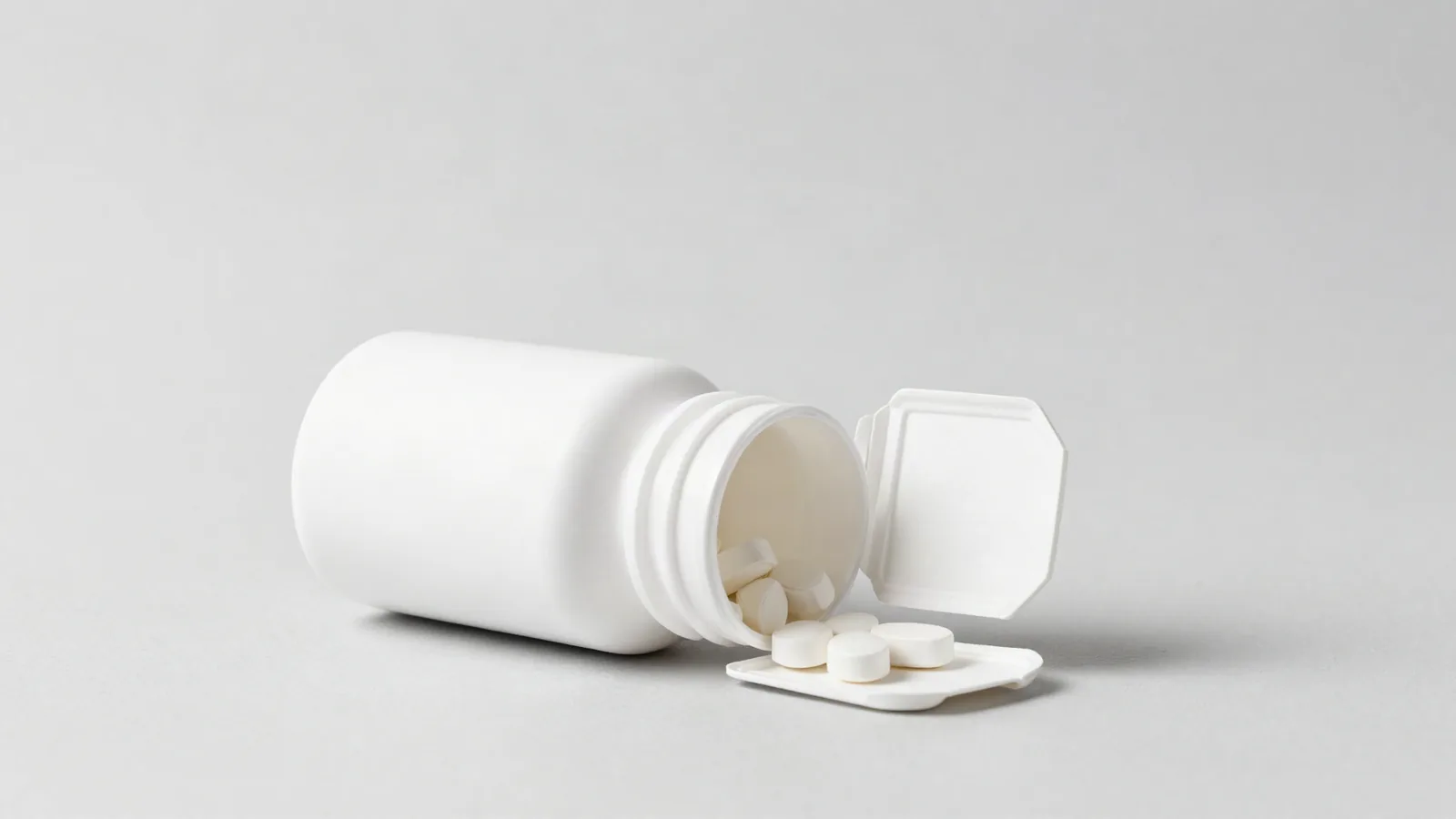



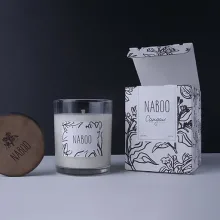
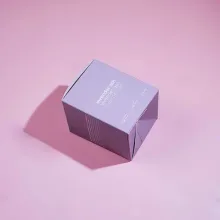
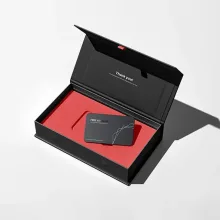
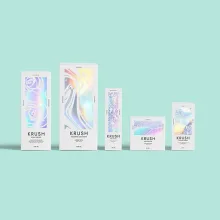





































Pharmaceutical packaging solutions start with a quote-ready pack-out: the filled product, its inner parts, the opening, the printed panels, and the role of the package. A pharmacy package may hold a bottle, blister-style component, vial, tube, sachet, leaflet, or a set. A secondary package is the outer layer around that inner pack. State which role you need before choosing stock or finish.
Measure the filled product, including the cap, label, seal, leaflet, tray, and any insert that remains inside. A box drawn around an empty bottle is a common source of a bad fit. Give the supplier the reading order for product name, variant, directions, warnings, lot fields, and other buyer-supplied copy. The supplier can draw the dieline, a flat cutting template, around that information.
What should pharmaceutical packaging suppliers ask first?
Pharmaceutical packaging suppliers should ask for filled dimensions, package role, opening method, quantity, artwork status, and destination before discussing a final structure. The same printed panel may work on a shelf carton but fail when an insert or perforation changes the opening. Say whether the package is primary, secondary, a kit box, or an outer shipper.
| Packaging direction | Useful when | Buyer input | Design focus |
|---|---|---|---|
| Folding carton | A printed outer package carries product information | Filled footprint, opening, and panel copy | Hierarchy, closure fit, and readable panels |
| Sleeve | An existing inner package needs an outer layer | Inner package envelope and slide direction | Grip, opening, and printed surface |
| Insert-ready box | Small components need organized placement | Component list, insert position, and loading path | Fit, separation, and access to information |
| Perforated format | A controlled tear path belongs in the use case | Tear path, opening location, and handoff | Perforation placement and user instructions |
These categories point to different drawings. A perforation needs a defined tear path. An insert-ready box needs a loading order and clearance. A sleeve needs the inner package envelope and slide direction. Put those details in the quote instead of asking for a generic pharmacy box.
How should pharmacy packaging be sized?
Size pharmacy packaging from the filled inner package, not an empty component. Record the outside length, width, and height, then include the parts that stay inside after closing. Note whether the product stands upright, lies flat, or loads through an end flap. If variants share artwork, list each filled size separately; one dieline can hide a fit problem when the SKU dimensions change.
If the package may touch a product or ingredient, ask us about food-contact options for your product. Also identify whether the package is a primary package, a secondary carton, or an outer shipper. That role changes the material question and the information the panels need to carry.
Which materials and finishes should be compared?
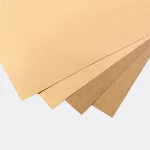
Paperboard works for printed folding cartons, kraft board keeps its brown base visible, and corrugated board adds a fluted inner layer when the package needs more cushioning or stacking support. Rigid boxes use chipboard wrapped in printed paper, so they hold their shape without a fold. Cardstock is thinner and easier to fold than rigid stock. Choose from the product weight, opening, printed copy, and handling path.
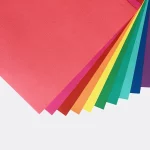
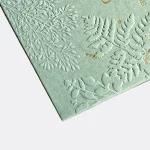
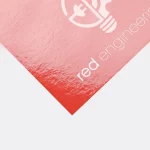
Finish changes the surface. Aqueous coating is water-based and usually takes ink and glue well. UV coating cures hard and glossy, resists scuffing better than aqueous, and can crack along scores or be harder to write on. Matte and gloss lamination change reflection. Foil, embossing, debossing, and spot UV need clear artwork boundaries so they do not crowd the copy.
What should a pharmacy packaging quote contain?
A pharmacy packaging quote should name the physical package and the information it must carry. Send:
- Product format, filled dimensions, and package role.
- Opening, closure, seal, insert, or perforation requirements.
- All copy panels supplied by the brand, with the reading order identified.
- Stock, print, finish, artwork status, and quantity for each variant.
- Destination and delivery planning after proof approval.
Which catalog products can guide the format?
Use perforated packaging when a controlled tear path belongs in the brief. Private-label packaging is a reference for repeated brand panels across a health line. Seed packaging is a compact packet example, but its dimensions and loading path are not a substitute for the filled health product.
How do CPL ordering terms apply to pharmaceutical packaging solutions?
Pharmaceutical packaging solutions start at an MOQ of 100 units. Pricing is from $0.49 per unit at volume, quoted to spec. Production is typically 8 to 10 business days after proof approval, plus delivery. Free US shipping and free design support are available. The $19.99 sample kit gives you physical references for stock, print, finish, and inserts before proof approval. Begin with custom packaging solutions when the brief covers more than one format.
Frequently Asked Questions
What does a pharmaceutical packaging supplier need for a quote?
A pharmaceutical packaging supplier needs the filled product dimensions, package role, quantity, artwork status, opening direction, closure, and every information panel the brand supplies. Mention whether the package will sit on a pharmacy shelf, enter direct shipment, or hold several components. That gives the quote enough context to address structure and print together.
How do I size pharmacy packaging around a filled product?
Size pharmacy packaging around the filled product, including the cap, label, seal, leaflet, tray, and insert that remain inside after closing. Record the outside length, width, and height, plus the loading direction. A separate size brief for each variant prevents one shared dieline from hiding a fit problem.
Can a pharmacy carton include an insert?
An insert-ready pharmacy carton can be discussed when a bottle, vial, blister-style component, leaflet, or other part needs a defined loading position. The insert should be planned with the filled product, opening sequence, and copy panels. Ask for the selected structure and loading path in the quote before approving artwork.
Which material and finish fit a health package?
Choose material and finish from the product weight, package role, opening, printed copy, and handling path. Paperboard fits folding cartons, kraft changes the base color, corrugated board adds a fluted layer, and rigid stock holds shape without a fold. Aqueous, UV, matte, gloss, foil, and spot UV create different surface tradeoffs.
What MOQ, price, and production window does Custom Packaging Lane use?
Custom Packaging Lane uses an MOQ of 100 units. Pricing is from $0.49 per unit at volume, quoted to spec. Production is typically 8 to 10 business days after proof approval, plus delivery. Free US shipping and free design support are available, and the sample kit is $19.99.