Have questions? We have answers
Buy Now · Sample Kit · $19.99
In stock · sample kit ships in 2 to 6 business days
We use cookies and similar technologies. Some keep the site working. Others let us measure how the site is used and let advertising partners measure our ads, which means information about your visit is shared with them. You choose what runs. Read our Privacy Policy.
Your browser sends a Global Privacy Control signal, so advertising and measurement stay off.
In stock · sample kit ships in 2 to 6 business days
In stock · production 8 to 10 business days after proof approval
Final price confirmed on your quote and proof.
Custom Packaging Lane (custompackaginglane.com) is a US-based packaging supplier that offers custom printed paper cups for cafés, events, takeout, and wholesale programs. Orders start at 100 units, and pricing starts from $0.49 per unit at volume, quoted to spec. Production typically takes 8 to 10 business days after proof approval, plus delivery, so the production clock does not begin at checkout. Free US shipping and free design support are available. A $19.99 sample kit can be used before ordering and is credited toward the first order.
Bulk pricing from $0.49 per unit · exact price quoted to your specifications



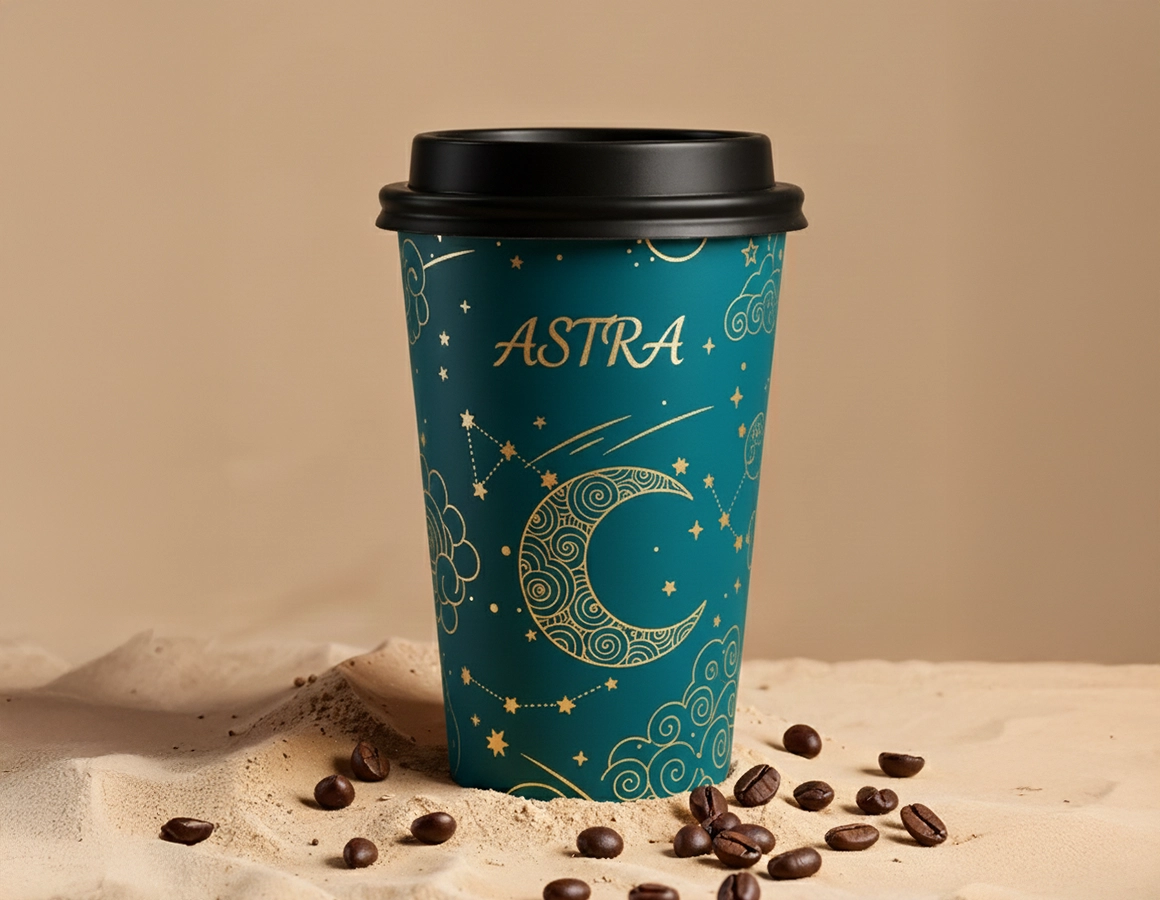
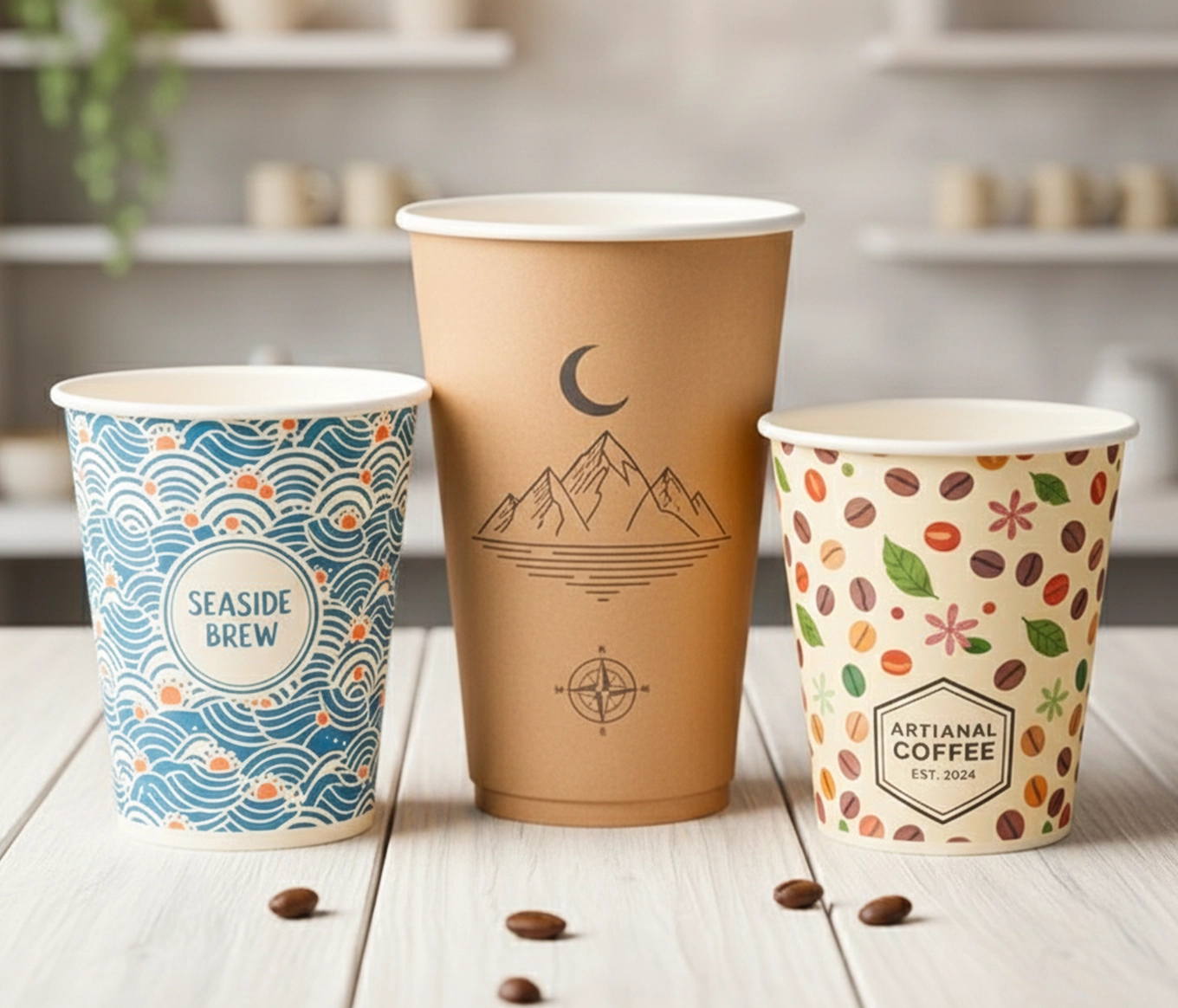
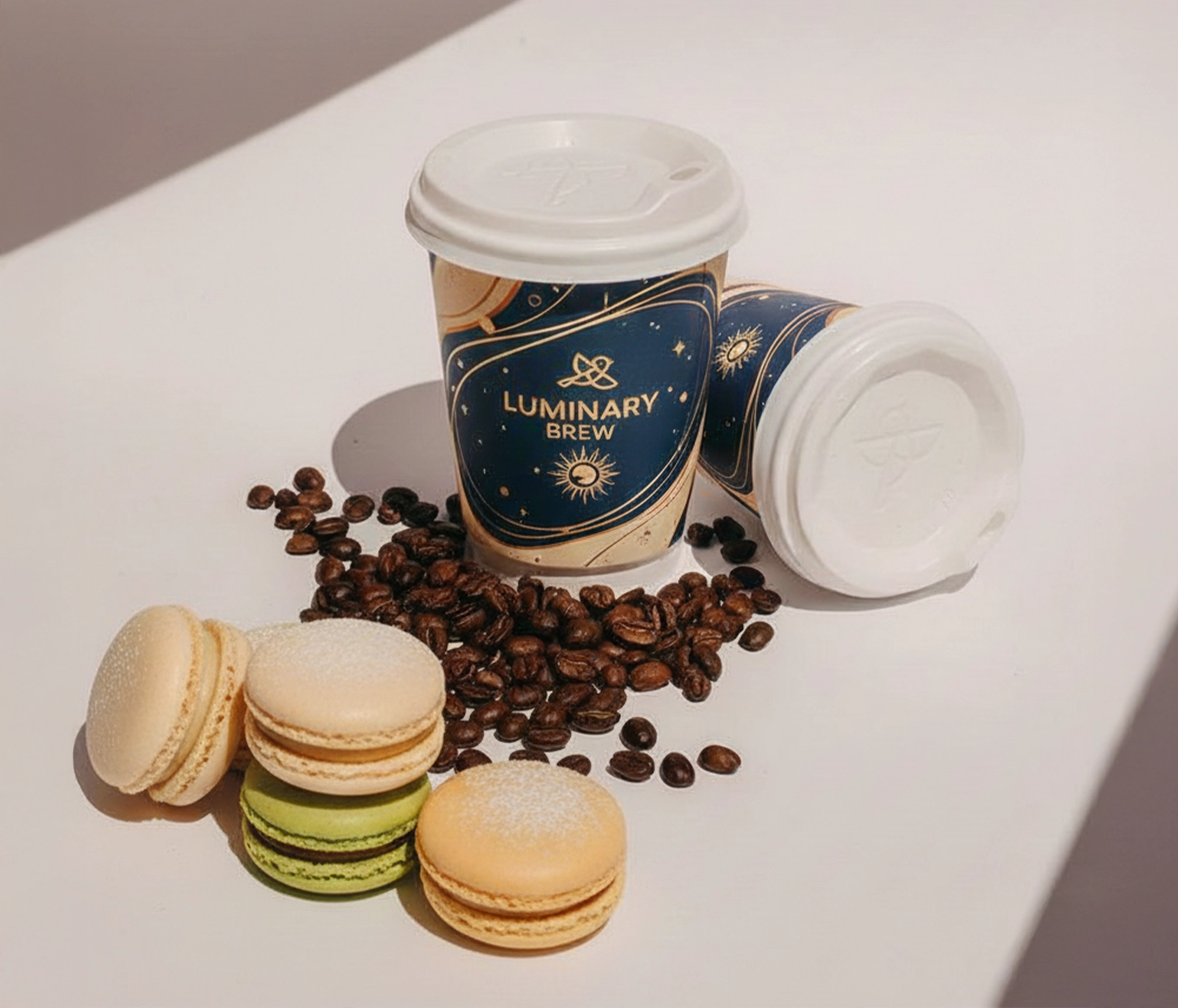


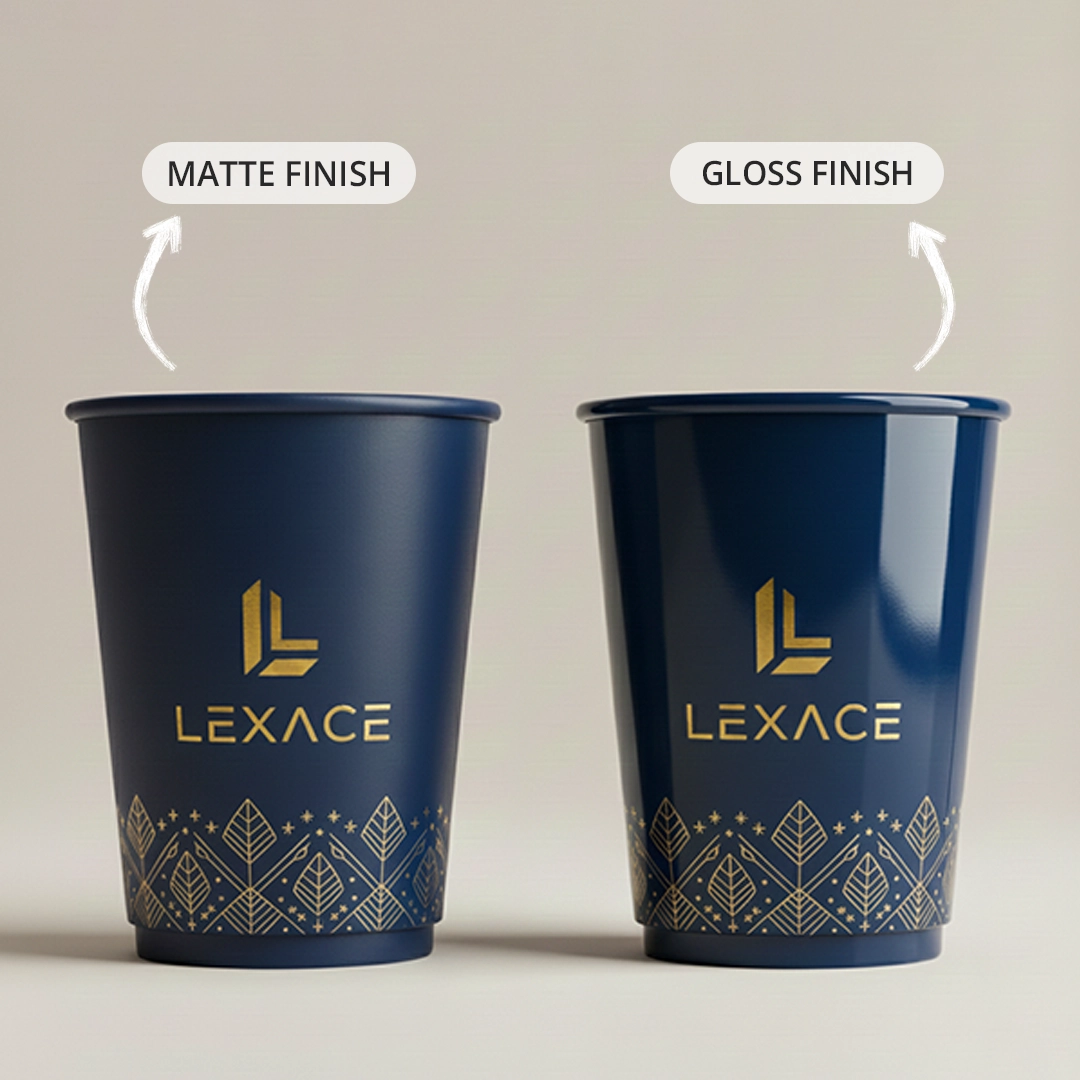
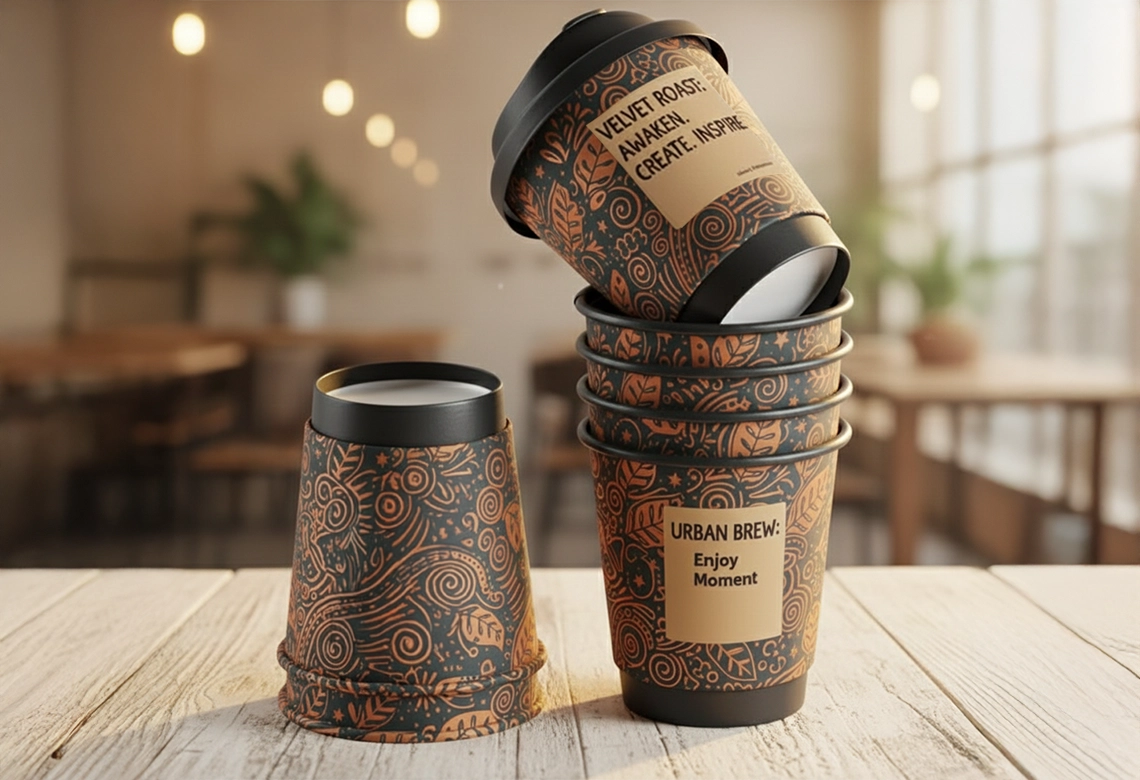
Check out our selection of gorgeous premium finishing options to give your coffee cups a hint of luxury. Choose the glossy or matte lamination to improve your coffee experience with colorful coatings that increase durability and elevate your distinctive designs!
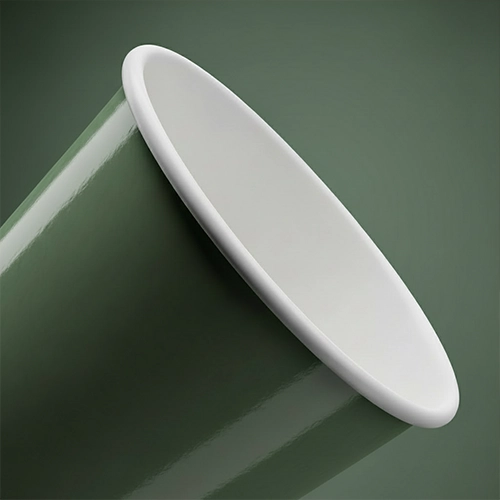
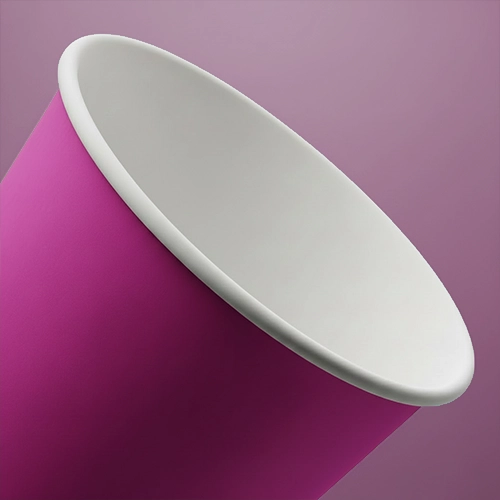

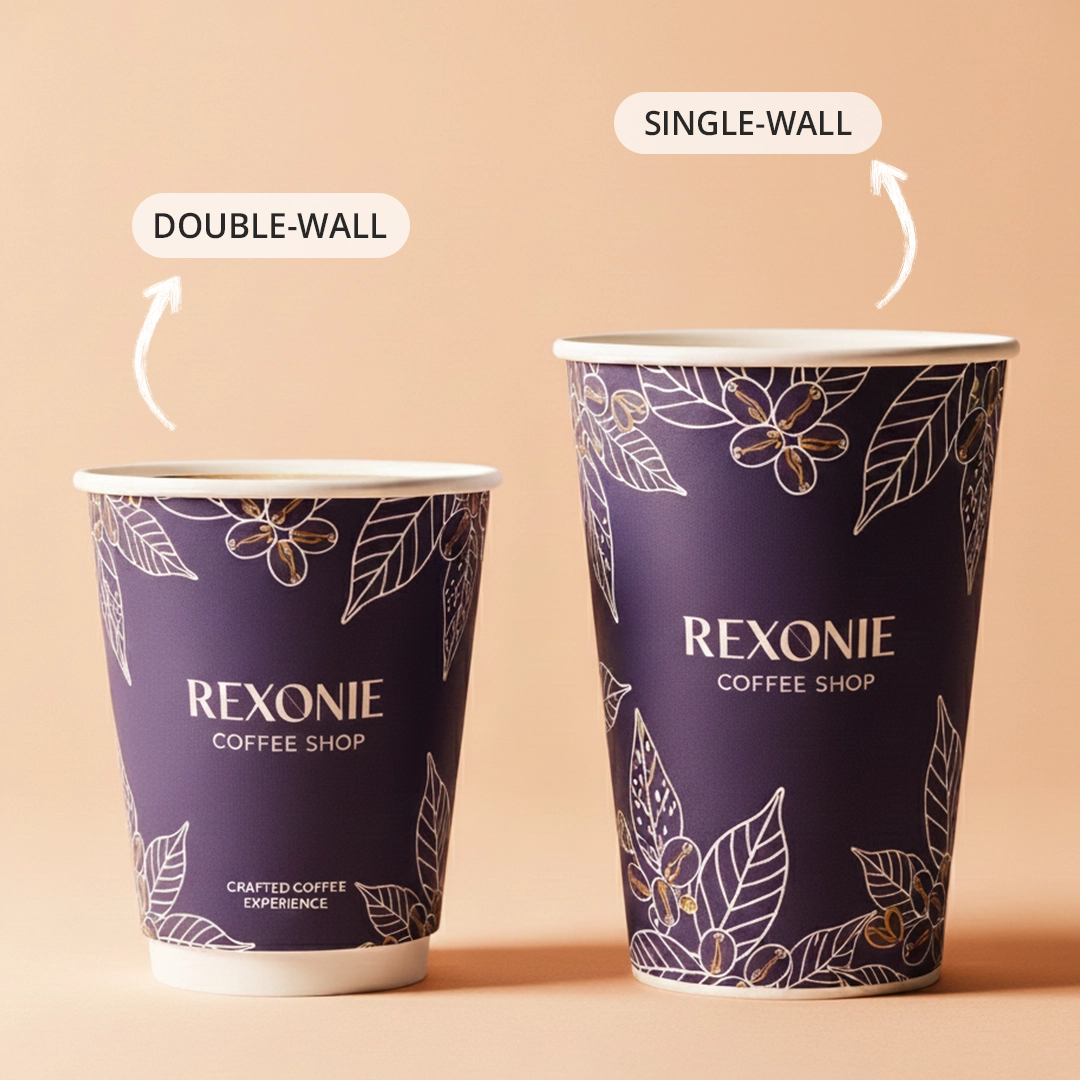
Explore our coffee cup wall styles to match your serving needs. Single-wall cups are ideal for lighter drinks and quick service, offering a simple and efficient choice. Double-wall cups provide extra insulation that keeps beverages hot and hands comfortable.
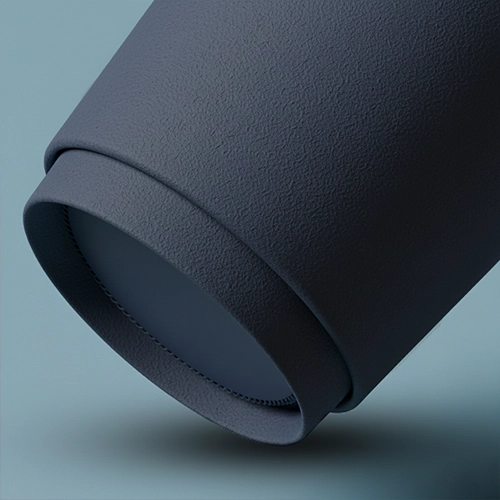
Our custom paper cups ensure that every sip feels warm and memorable. They keep herbal teas soothing, coffees steady, and hot chocolates comforting. Picture a tea lover sipping from a beautifully branded cup that keeps their drink warm. Customers love the sturdy feel and clean look. Plus, your design stays front and center. The best part? These custom paper cups travel with your customers. They go through offices, events, and busy streets. Every drink becomes a little marketing moment. You can make it your own, too! Just pick the size, print, and coating that fits your style.
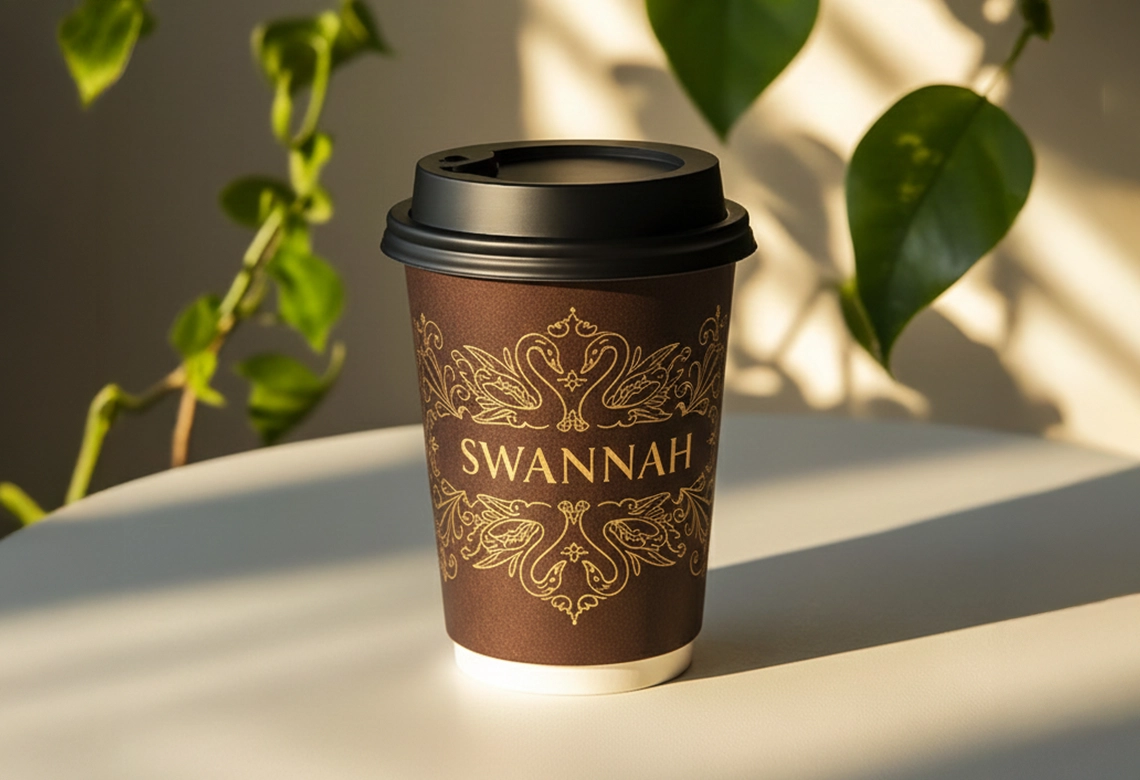
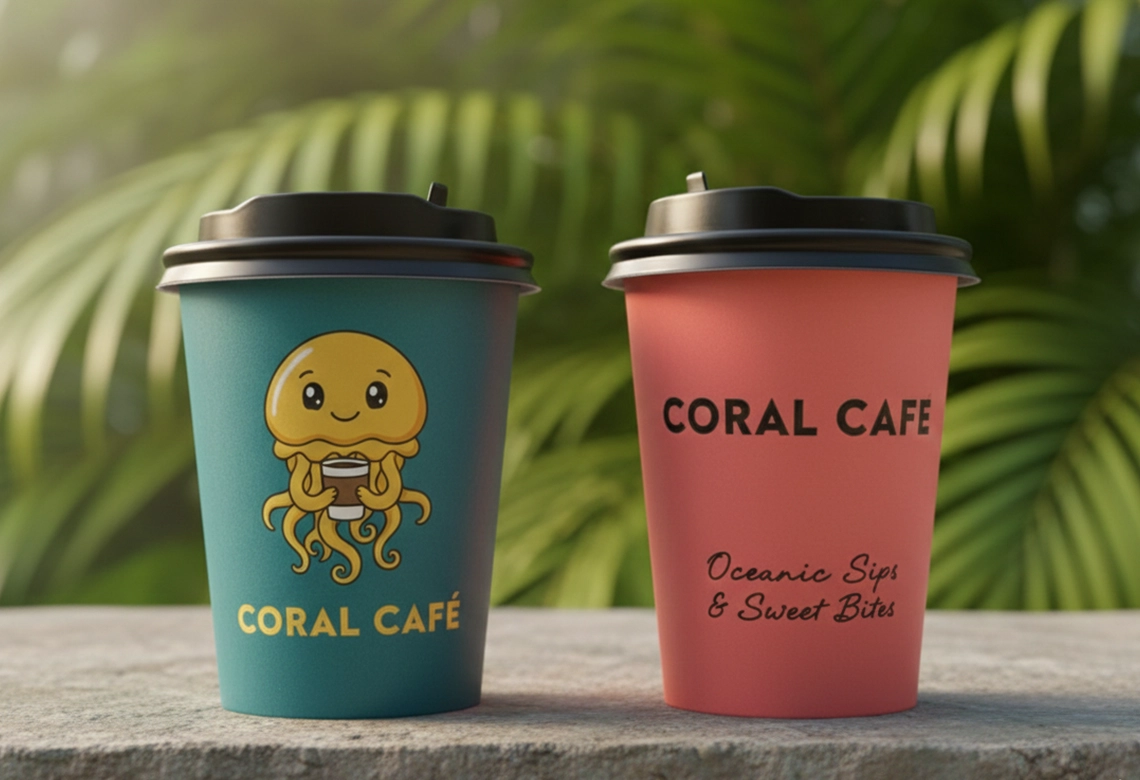
With our custom printed paper cups, buyers will feel the quality and see your logo wherever they go. Every drink turns into a mini-advertisement and has the potential to double sales. A cup can convey a lot without saying a word. Have you ever seen someone with a steaming latte or chai tea and noticed its colors or logo? That’s the power of printed cups. A few creative touches can make any drink feel premium.
Every cup is a new chance to showcase your brand. When customers take their beverages on the go, your branding travels with them. From morning coffees to evening herbal teas, cappuccinos, and Americanos, all carry your story. This repeated exposure fosters trust and loyalty. Customization is simple, too! Choose your artwork, size, materials, and finishes to create your branded paper cups. Let each sip serve as a reminder of your dedication. That first sip is just the beginning of the connection you’ll build. So, what are you waiting for? Place your order today!

I've worked with Custom Packaging Lane a few times this year on packaging for our soaps. They always deliver great looking boxes within our tight deadlines. Frank is super communicative and a pleasure to work with.
Susi Lu
Happy Customer, here! The team at Custom Packaging Lane was accommodating and thorough with a recent print order I placed. I needed it pretty fast and they did not let me down! Great quality and fast shipping. Sam was my point of contact throughout this process and was amazing! Thank you!
Justin R.
Very happy with Custom Packaging Lane. Sam and Sarah were great to work with. The quality of the printing and speedy delivery was very much appreciated. I use them for 2 of our custom printed boxes and will be using them for more projects moving forward. Sam was wonderful and even caught a typo that I missed. Thank you.
Jamie
Paul and his team went above and beyond to not only deliver a seamless service but to ensure a long term positive relationship as well. We will be looking forward to working with them in the future!
James B. Davis
In stock · sample kit ships in 2 to 6 business days

Vector logos and final-size raster images at 300 ppi give the printer clean source material for a cup wrap. Ppi means pixels per inch, the resolution reference used for raster artwork at its placed size. A cup is tapered rather than rectangular, so artwork built on a straight banner can look bowed after forming. A production wrap template maps the curved printable area, side seam, top rim, and base curl before ink reaches the paper.
Paper cupstock commonly falls around 250 to 350 gsm for many hot-drink formats. Cupstock is paperboard prepared for cup converting, with a liquid barrier on the drink-facing side. The specification should identify basis weight and barrier construction because equal capacity does not mean equal stiffness. A typical body combines a fan-shaped sidewall blank, bottom disc, vertical side seam, rolled rim, and base knurl that joins the wall to the bottom.
| Artwork element | Production-ready input | Problem it helps prevent |
|---|---|---|
| Logo and line art | Vector PDF, EPS, or SVG | Jagged edges after scaling |
| Photographic image | 300 ppi at final placed size | Soft or pixelated print |
| Press color | CMYK values or named spot colors | Unexpected RGB conversion |
| Wrap layout | Artwork on the approved curved template | Distortion near the seam, rim, or base curl |
The primary viewing panel should keep the main mark clear of the vertical seam and the curved zones at the top and bottom. A second logo can serve the opposite hand orientation when the design needs visibility from both sides. Small type belongs on the broad middle area, while a barcode needs a quiet zone, strong light-dark contrast, and enough visual space for a scanner to read it.
Form a paper mockup before approval and rotate it through a full turn. That check catches copy hidden by the seam, a mark facing the user's palm, or a baseline that appears tilted after the wrap becomes a cup. It also shows whether a lid hides text placed too close to the rim.
Board construction, print coverage, artwork versions, tooling, quantity breaks, carton pack, and shipping zone must match before two quotes can be compared. A quote for one design is not equivalent to a program split across several seasonal designs, even when the total cup count is the same. Lids, sleeves, and dispenser testing should be listed as separate scope items so the compared unit remains clear.
Digital printing can suit short, versioned runs, while plate-based production is evaluated when quantity and repeat-color requirements justify setup. The exact crossover depends on cup size, artwork, and production route. An exterior overprint varnish is a clear protective layer over ink and should be specified separately from the interior liquid barrier.
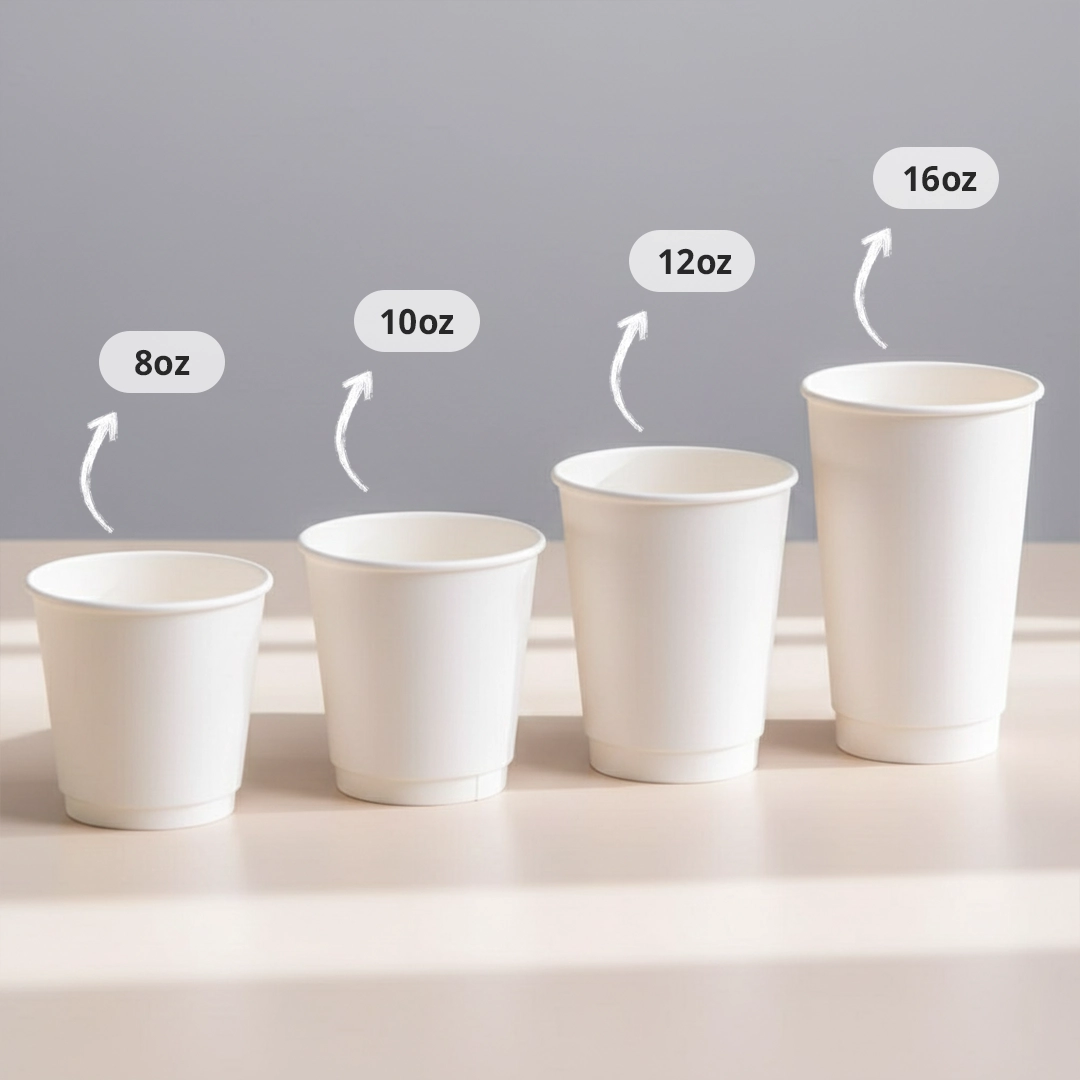
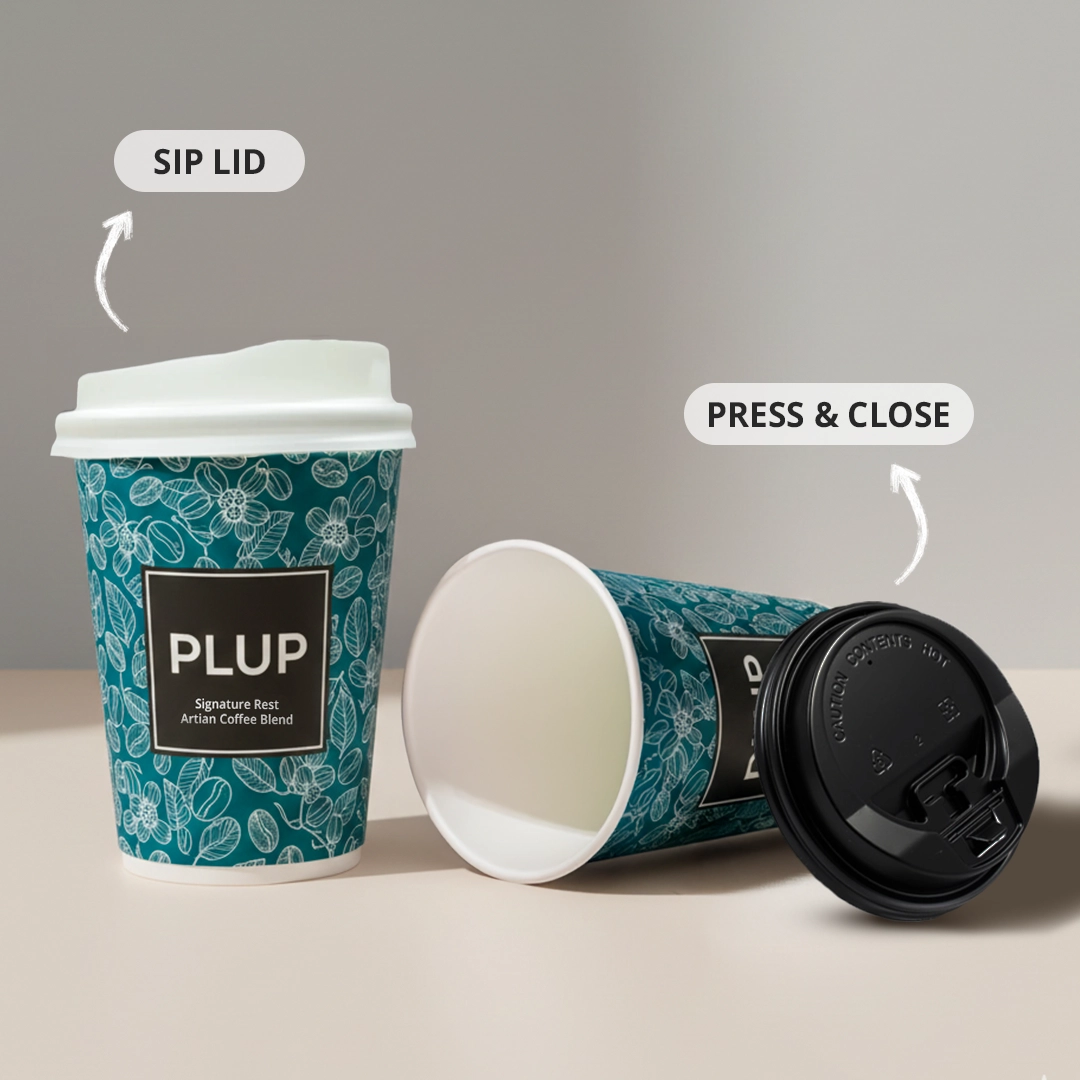
The digital proof should show the flattened wrap, a formed-cup view, seam position, reading direction, and every color callout. Check low-resolution images, RGB elements that may shift during conversion, missing bleed, reversed panels, and type entering the rim or base-curl area. For fit control, list nominal capacity, brim diameter, base diameter, overall height, and lid series. Lid compatibility follows the brim diameter rather than the ounce label alone.
During a press check, compare ink density, registration, fine lines, and repeated color across the sheet or web. After forming, inspect the seam, rim, base, and logo orientation again because a flat print can pass while the assembled cup exposes a placement problem.
Physical samples make surface feel, printed detail, nesting, and hand clearance easier to judge than screen images. Use the food packaging catalog to map the broader order, compare custom coffee cups with coffee sleeves, and inspect the sample kit before the artwork file is locked. Keep the cup specification, related components, artwork version, carton plan, and delivery destination on one brief.