








Testing Product



Shipping


Material




Ads-Ons & Finishing






























Live Support
Looking for instant support? Speak with our
experts within a minute.


I've worked with Custom Packaging Lane a few times this year on packaging for our soaps. They always deliver great looking boxes within our tight deadlines. Frank is super communicative and a pleasure to work with.
Susi Lu
Happy Customer, here! The team at Custom Packaging Lane was accommodating and thorough with a recent print order I placed. I needed it pretty fast and they did not let me down! Great quality and fast shipping. Sam was my point of contact throughout this process and was amazing! Thank you!
Justin R.
Very happy with Custom Packaging Lane. Sam and Sarah were great to work with. The quality of the printing and speedy delivery was very much appreciated. I use them for 2 of our custom printed boxes and will be using them for more projects moving forward. Sam was wonderful and even caught a typo that I missed. Thank you.
Jamie
Paul and his team went above and beyond to not only deliver a seamless service but to ensure a long term positive relationship as well. We will be looking foreword to working with them in the future!
James B. Davis
Product Description
What problem does a testing product box solve?
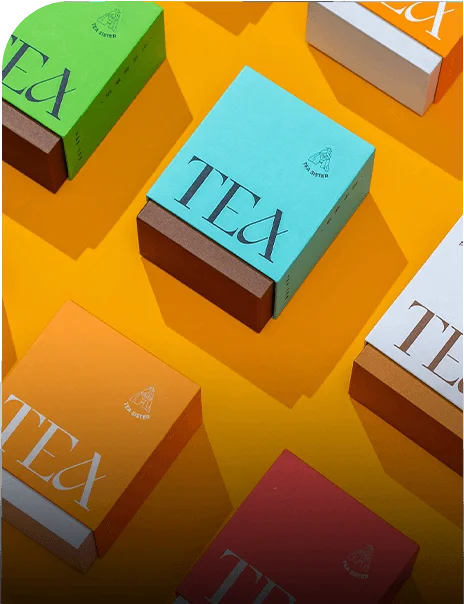
A testing product box checks the package against the item it will hold before a production run. The check covers the product footprint, box depth, closure, insert clearance, artwork, and the way the box opens. A dieline is the flat cutting template used to print and cut the box, so its measurements should come from the actual product rather than a guessed stock size.
Send the product dimensions and the way it needs to sit in the box. We draw the dieline with free design support, then send a digital proof before anything prints. That proof is where you catch type crossing a fold, a barcode sitting too close to a cut, or an insert that leaves the product rattling.
What does a product box fit check cover?
A product box fit check covers the product position, wall clearance, closure, insert, and opening action. The product should sit in the intended position, the closure should shut without crushing it, and an insert should hold the product without forcing it against the walls. Then check the flat dieline for panel order, glue tabs, scores, bleed, logo placement, and barcode clearance.
| Test area | What to check | Failure to catch early |
|---|---|---|
| Product fit | Length, width, height, clearance | Crushed edges or a loose product |
| Insert fit | Cutout size and product movement | Rattle during handling |
| Artwork | Bleed, scores, type, barcode position | Print crossing a fold or cut |
| Closure | Tab entry and opening force | Box that pops open or will not close |
Which custom box format should I compare?
Use a product box when the package needs a printed carton around one item, a display box when the package also needs to present the item at the point of sale, and a testing kit box when the contents need separate organization. The correct format follows the product and the use case. Do not force an insert into a box before measuring the product and the empty space around it.
Check testing product boxes, sperm count testing kit boxes, product display boxes, and custom product boxes.
What materials and finishes should I test?
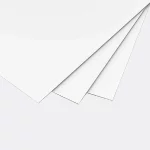
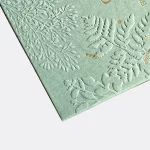
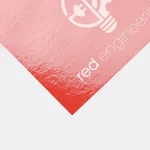
Paperboard thickness, coating, and closure style change how a box folds and feels. Matte lamination reduces shine, gloss lamination increases it, foil adds a reflective detail, and embossing changes the surface height. Kraft paper gives a brown base, while white board gives a cleaner starting point for color. Ask us about food-contact options for your product if the package will touch food.
For shipping, the box structure should match the product's weight and handling needs. A display carton may prioritize open visibility, while a closed product box may prioritize panel space and closure strength. The digital proof does not replace a fit check, so test the folded shape and product position before approving the run.
What can go wrong if a box is approved too early?
A score through the artwork can split a logo across a fold. A narrow glue tab can weaken the finished carton, and an insert cut to the exact product size can make loading difficult. Too much empty space lets the product rattle during handling, while too little clearance can crush an edge. Check the folded box with the actual product before the production clock begins.
What does a custom testing product box order cost?
The MOQ is 100 units. Pricing is from $0.49 per unit at volume, quoted to spec. Free design support includes drawing the dieline, and free US shipping is available. Production is typically 8 to 10 business days after proof approval, plus delivery. Order the $19.99 sample kit, credited toward the first order, if you want to handle paper, finishes, and sample constructions before approving production.
What should I send with a quote request?
Send the product length, width, height, weight, insert needs, closure preference, artwork, and intended use. If the product is fragile or has a testing workflow, describe where each component sits in the box. We use that information to draw the dieline and prepare a digital proof. The production clock starts after proof approval, not when the request is submitted.
For related apparel cartons, compare custom socks boxes, custom undergarments boxes, and custom lingerie boxes. For a broader route, see custom packaging solutions.