



















































































What is spot UV packaging?
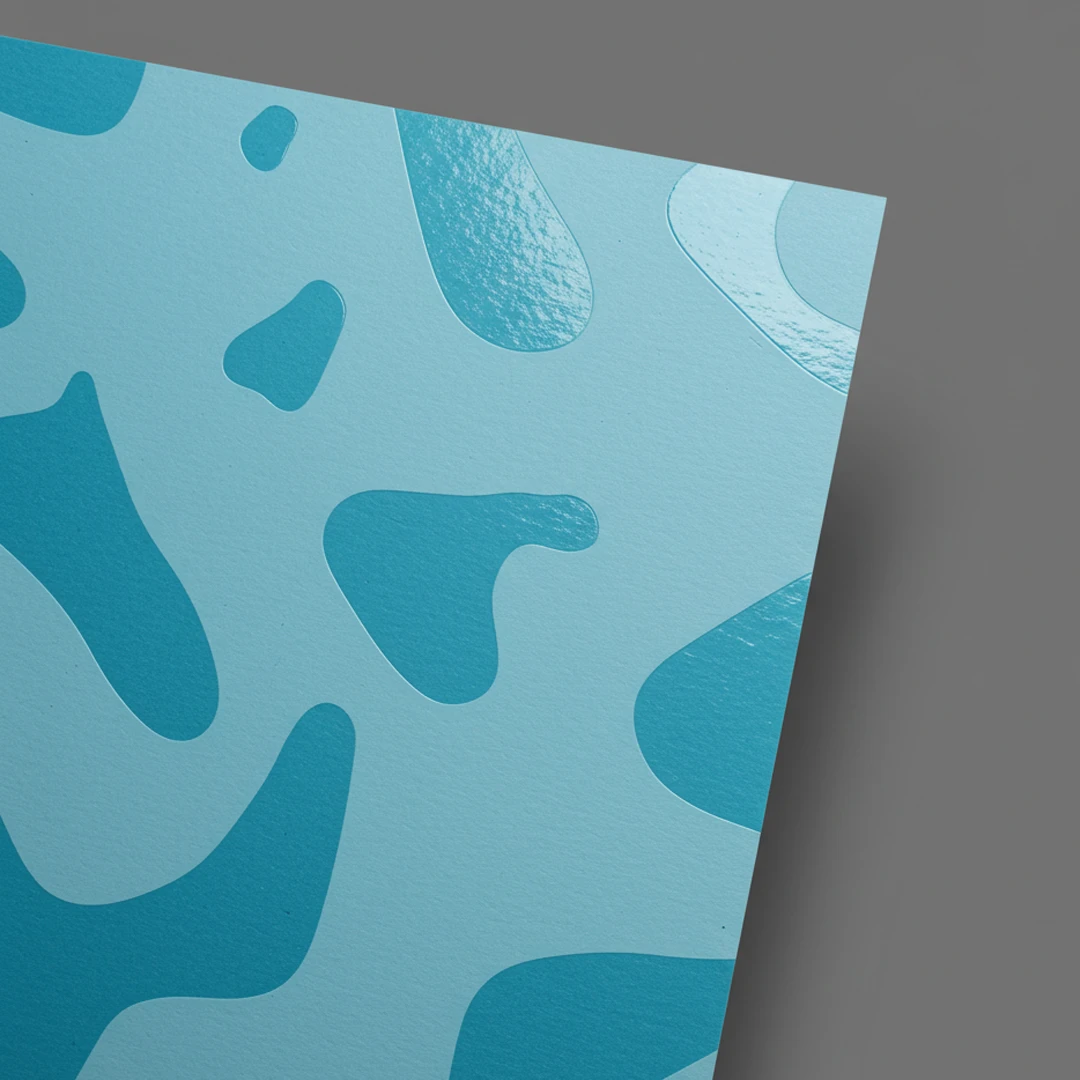
Spot UV packaging uses a selective glossy coating on chosen areas of a package. Instead of making the whole box reflective, the design places shine where it supports the brand, such as on a logo, pattern, line, or short product name. This creates contrast between treated and untreated areas. The result is most useful when the artwork has a clear focal point and enough open space for the finish to remain noticeable.
Spot UV is a surface treatment, so it should be considered alongside the box structure, printed colors, opening style, and product presentation. The broader Custom Packaging Solutions hub can help frame those choices before the artwork moves into proof review.
When does selective gloss improve a package?
Spot UV works well when a brand wants a controlled highlight rather than an all-over glossy appearance. A logo can catch light as the package moves, while a pattern can create a subtle change across a matte or quiet field. A small product detail can also be separated from the background without adding extra copy.
For category-specific packaging directions, compare wine box packaging, weed packaging, and shoe box packaging. These are starting points for discussing how a selective finish might support a product format. The finish itself does not replace good hierarchy, readable text, or a suitable structure.
How does spot UV compare with an all-over gloss finish?
| Finish direction | Visual behavior | Best suited to | Design consideration |
|---|---|---|---|
| Spot UV | Gloss appears only in selected areas | Logos, patterns, accents, and contrast | Artwork needs clear treated zones |
| All-over gloss | The broader surface reflects light | Designs that want an overall shiny presentation | Reflection can compete with some text or images |
| Mostly matte presentation | Quiet, low-reflection visual field | Minimal layouts and surface contrast | Selective highlights may be absent |
These are honest style comparisons, not fixed performance claims. The perceived effect changes with color, lighting, artwork coverage, and the package structure. A proof helps confirm whether the selective gloss is visible enough and whether it lands on the intended design elements.
Which products can use spot UV packaging?
Spot UV can be considered for many branded formats, from presentation boxes to retail cartons. A wine package might use it on a crest or label-inspired pattern. A weed package could use it to draw attention to a restrained brand mark. A shoe box might use a selective pattern or logo for a more deliberate unboxing surface. The treatment should follow the product story and not overwhelm it.
Other relevant starting points include wax packaging and private label packaging. Share the product, dimensions, quantity, artwork, and the exact areas you want highlighted so the finish can be evaluated with the structure.
What should I prepare before requesting a spot UV proof?
Prepare the box dimensions, opening requirements, product details, artwork, and a marked version showing the intended spot UV areas. Keep the focal elements deliberate. If the design includes small type or dense illustration, ask whether the finish should be simplified so the package stays easy to read.
Orders start at 100 units. Pricing is from $0.49 per unit at volume, with the final price dependent on the project. Free design support can help translate the finish idea into a workable proof. A $19.99 sample kit is available for physical evaluation, and free US shipping can support US delivery planning.
How long should I plan for spot UV packaging?
Production typically takes 8 to 10 business days after proof approval, plus delivery. This typical planning window can vary. Proof approval is the point to confirm artwork, finish placement, and the intended visual balance. If the package may touch food, ask about food-contact options. If a child-resistant feature is needed, discuss it as a feature to build into the project.
Is spot UV right for my packaging?
Choose spot UV when selective shine helps customers notice a particular brand element and the rest of the package benefits from visual restraint. It may be less useful when every surface needs the same gloss or when the artwork has no clear focal area. Custom Packaging Lane can review the product, quantity, structure, and artwork, then help decide whether spot UV supports the package.
Frequently Asked Questions
What does spot UV do on a package?
Spot UV adds gloss to selected areas rather than covering the entire package. It can highlight a logo, pattern, border, or short design element and create contrast with the surrounding surface. The effect depends on the artwork, lighting, and package structure, so the selected areas should be reviewed in a proof before production.
Is spot UV the same as a fully glossy box?
No. Spot UV is selective, while a fully glossy approach gives the broader surface a reflective appearance. Selective gloss is useful when you want a controlled accent or a clear focal point. An all-over gloss direction may suit a design that depends on consistent shine. The better choice depends on the artwork and presentation goal.
What products work well with spot UV packaging?
Spot UV can be considered for branded wine, weed, wax, shoe, and private label packaging, among other formats. The finish is most effective when the product has a logo, pattern, or accent that benefits from selective emphasis. Share the structure and artwork so the treatment can be planned around the actual package.
What is the MOQ for spot UV packaging?
The MOQ is 100 units. Pricing is from $0.49 per unit at volume, with the final project cost depending on the package, artwork, finish, and quantity. Free design support is available, and free US shipping can be included in the delivery planning for eligible US orders.
How long does spot UV packaging take?
Production typically takes 8 to 10 business days after proof approval, plus delivery. This is a typical planning timeframe. The proof stage confirms the artwork and spot areas before production. A $19.99 sample kit is also available when you want to review physical packaging directions first.












