




























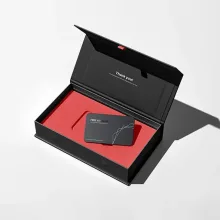
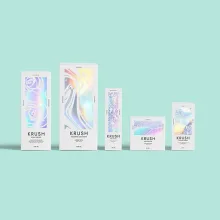
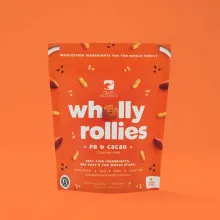
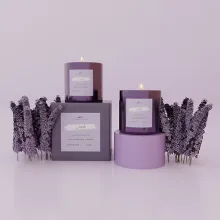



































What is textured paper packaging?
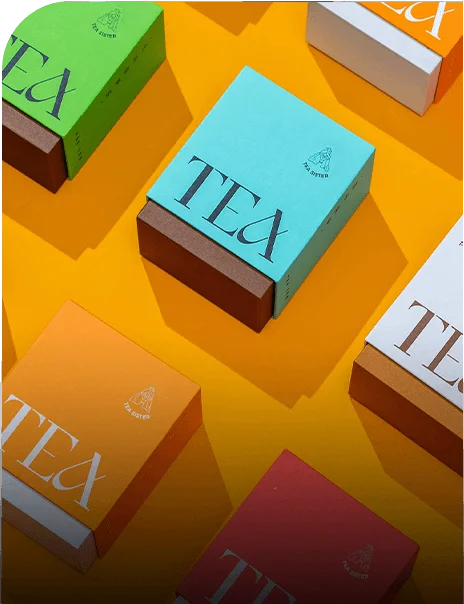
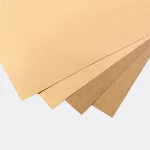
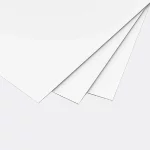
Textured paper packaging uses a paper surface with a noticeable tactile or visual pattern as part of the package direction. It can give a box, sleeve, bag, or label area a distinct hand feel, but the finished result also depends on the paper, artwork, folds, edges, closure, and finishing. Texture should be treated as a design input, not a substitute for a complete packaging brief.
Buyers should ask what the texture name means in the actual quote. Terms can vary between suppliers, so a proof and sample are more useful than a label alone.
Which texture directions can you compare?
| Texture direction | Visual or tactile role | Questions to confirm |
|---|---|---|
| Laid pattern | Visible linear paper character | Artwork orientation, folds, and panel alignment |
| Linen-like pattern | Noticeable woven-style surface direction | Small type, solid areas, touch, and print contrast |
| Felted surface | Soft visual and tactile direction | Product fit, handling, closure, and sample feel |
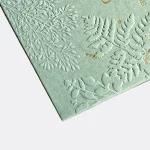
| Embossed paper surface | Raised texture built into the presentation | Pattern scale, artwork placement, and finishing |
These descriptions are starting points. Ask for the actual paper or finish description and compare it on the finished format.
How does texture affect artwork and readability?
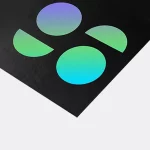
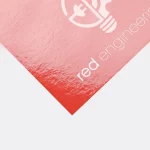
Texture can change how small type, fine lines, solid color areas, and contrast appear on the surface. Review the most important information on the proof, especially where the paper pattern crosses a logo, product name, or instruction. Also check how folds, seams, corners, and closures move the texture across the package.
For a cohesive result, choose artwork that works with the surface rather than covering every tactile cue. If the package needs a quiet reading area, include that in the design brief.
Can textured paper packaging work for bags and boxes?
It can be discussed across paper bags, folding boxes, sleeves, and presentation formats, but each format changes how the surface is folded, carried, opened, and viewed. A retail bag brief should include the handle, base, artwork, and carrying context. A box brief should include the closure, interior, edges, and product fit. The texture should support the format instead of fighting it.
Which formats can help you compare textured paper?
Use wine box packaging, wax packaging, and towel packaging as box-format discussions. For a bag-led direction, review retail paper bags. These links are starting points, not claims that every product uses textured paper. Share the product, artwork, closure, and handling context so the material can be judged on the final format.
What should you ask about before approving texture?
- What paper or finish creates the texture, and how is it described in the quote?
- How will texture interact with type, logos, solid areas, folds, and seams?
- Which panels should carry the texture, and which should remain quiet?
- What should the proof show, and what should the sample help you feel?
- Which quantity, delivery, design support, and shipping details should be confirmed?
How can you test a textured paper direction?
Custom projects use an MOQ of 100 units. A qualified planning reference is pricing from $0.49 per unit at volume. Production is typically 8 to 10 business days after proof approval, plus delivery, with free design support and free US shipping. The $19.99 sample kit can help compare paper feel, while a proof checks artwork placement. Visit custom packaging solutions to request the next step.
Frequently Asked Questions
What is textured paper packaging?
Textured paper packaging uses a paper surface with a noticeable tactile or visual pattern as part of the package direction. Texture may be described through terms such as laid, linen-like, felted, or embossed, but naming varies. Ask for the actual paper or finish description and judge the result on a representative proof or sample.
Does texture affect print?
Texture can influence how artwork, small type, solid areas, and contrast appear on the finished surface. The effect depends on the paper, ink coverage, artwork, and package shape. Keep critical information legible in the proof, and ask which panels should carry texture before approving the final design.
Is textured paper suitable for bags?
It can be discussed for paper bags, boxes, sleeves, and other formats, but the package style changes how the surface is folded, handled, and seen. For retail paper bags, share the handle, base, artwork, and carrying context. The chosen texture should support the format rather than fight it.
How should I compare paper textures?
Compare texture by touch, visual scale, artwork interaction, fold placement, closure, and the intended use environment. A texture that suits a presentation box may not suit a package that needs a quiet printed surface. Request samples that show the material and the finished format together.
What should a textured packaging quote include?
Send the product, package style, texture preference, artwork status, dimensions, insert or closure needs, quantity, and delivery context. Custom projects use an MOQ of 100 units. Ask about pricing from $0.49 per unit at volume, free design support, free US shipping, and production typically 8 to 10 business days after proof approval, plus delivery.