We use cookies and similar technologies. Some keep the site working. Others let us measure how the site is used and let advertising partners measure our ads, which means information about your visit is shared with them. You choose what runs. Read our Privacy Policy.
Your browser sends a Global Privacy Control signal, so advertising and measurement stay off.
The Art of Custom Labels for Packaging: Elevating Your Brand
Custom Packaging Lane (custompackaginglane.com) is a US-based packaging supplier for buyers who need printed labels planned around the product, package, and press file. Orders start at 100 units. Pricing is from $0.49 per unit at volume, quoted to spec. Free design support includes drawing the dieline and sending a digital proof before printing. Production is typically 8 to 10 business days after proof approval, plus delivery. Free US shipping is available, and a $19.99 sample kit is credited toward the first order. Ask us about food-contact options for labels used with food packaging.
In today’s competitive marketplace, product labels play a pivotal role in catching the eye of consumers and conveying essential information. From food packaging labels that display nutritional facts to printed packaging labels that showcase a brand’s uniqueness, labels are a powerful tool in the world of marketing and branding. However, exaggerating your product labeling for the sake of branding that makes unfair trade can bring penalties for violating Federal Rules.
In this blog, we’ll explore the significance of custom labels for packaging and delve into various aspects, including their design, printing, and the benefits they bring to businesses.
The Magic of Custom Labels
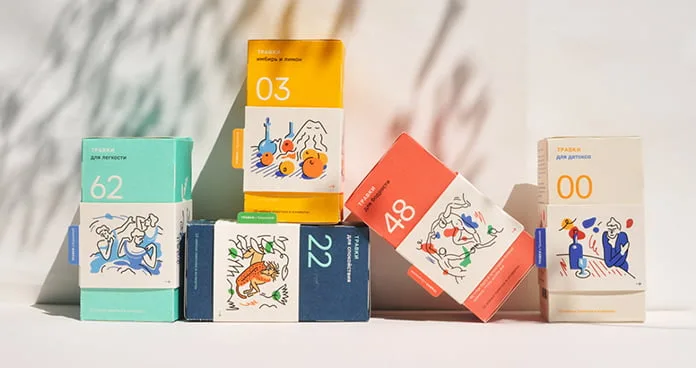
Custom labels for packaging have taken the world of marketing by storm, offering businesses a unique and effective way to make their products stand out. Whether you’re in the food industry, selling concentrates, or offering other goods, custom labels can transform your packaging and enhance your brand’s image.
Benefits of Custom Labels for Packaging:
Unique Brand Identity: Custom labels are tailor-made to reflect your Brand’s Identity. They incorporate your brand colors, logos, and fonts, ensuring that your packaging aligns seamlessly with your overall branding strategy.
Food Packaging Labels: In the food industry, labels are more than just decoration. They provide essential information such as ingredients, nutritional facts, allergen warnings, and serving suggestions. Custom food packaging labels allow you to present this vital information clearly and attractively, enhancing consumer trust and compliance with regulations.
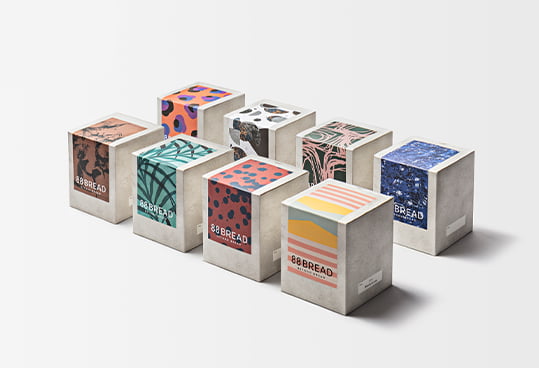
Eye-Catching Design: The design possibilities with custom labels are endless. You can create eye-catching, visually appealing labels that draw consumers’ attention and entice them to pick up your product.
Concentrate Packaging with Labels: For businesses dealing with concentrates, custom labels are a game-changer.
Sticker Labels for Packaging: Sticker labels are a versatile choice for packaging. They adhere well to various materials, making them suitable for bottles, jars, boxes, and more. Custom sticker labels can be easily applied to your packaging, allowing for flexibility and cost-effectiveness.
Designing the Perfect Custom Labels
Creating custom labels involves a thoughtful and creative process. To make the most of your labels, consider the following design elements:
Color Palette: The colors you choose for your labels have a significant impact on how consumers perceive your brand. For instance, warm and inviting colors can create a sense of comfort, while bold and vibrant hues can convey energy and excitement. Align your color palette with your brand’s personality and the emotions you want to evoke.
Typography: The font you select plays a crucial role in conveying your brand’s message. Fonts can communicate a sense of elegance, playfulness, or authority. Choose fonts that resonate with your target audience and reinforce your brand identity.
Imagery: Graphics, illustrations, and photographs can add depth and visual appeal to your labels. In the food industry, images of ingredients or finished dishes can be particularly enticing. In the case of concentrate packaging, consider using images that reflect the product’s essence.
Printing Custom Labels
Once you’ve designed your custom labels, the next step is Printing Packaging Labels. High-quality printing ensures that your labels look professional and attract attention. Here are some key aspects to consider:
Label Material: Selecting the right label material is crucial. Factors such as the product’s container material, exposure to moisture or heat, and label size can influence your choice. Common label materials include paper, vinyl, and film.
Printing Method: There are various printing methods to choose from, including digital printing and offset printing. Digital printing is ideal for small to medium-sized print runs, offering flexibility in design and quick turnaround times. Offset printing, on the other hand, is suitable for larger print runs and provides excellent color accuracy.
Finish and Coating: The finish and coating you choose can enhance the durability and appearance of your labels. Options include Matte and Gloss, or High-Gloss Finishes, as well as Protective Coatings for added resilience.
Labels in Food Packaging
Food label packaging is a crucial aspect of the food industry, serving multiple functions beyond just aesthetics. They provide consumers with vital information, ensure compliance with regulations, and help build trust. Here’s how custom labels can elevate food packaging:
Compliance: Custom packaging labels allow you to include all necessary compliance information, such as Ingredients, Nutritional Facts, Allergen Warnings, and Expiration Dates. Clear and accurate information helps consumers make informed choices and ensures legal compliance.
Branding: Custom labels provide a canvas for showcasing your brand’s personality. Incorporate your logo, brand colors, and unique design elements to reinforce your brand identity and make your product instantly recognizable on the shelf.
Consumer Engagement: Engage with consumers by sharing your brand’s story, values, and the journey behind your products. Personalized sticker printing and labels for packaging allow you to connect with your audience on a deeper level, fostering brand loyalty.
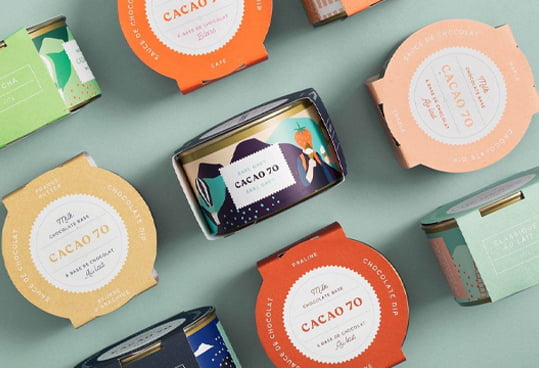
Differentiation: In a crowded market, custom labels help your product stand out. You can experiment with creative label designs and unique packaging shapes to grab consumers’ attention and leave a memorable impression.
Labels in Concentrate Packaging
Custom labels are instrumental in addressing these challenges and maximizing the potential of products:
Product Information: Concentrate packaging labels should provide concise yet comprehensive information about the product. This includes usage instructions, dosage guidelines, safety warnings, and any necessary legal or regulatory information.
Brand Recognition: Custom labels play a crucial role in brand recognition. They help consumers identify your product among a sea of options. A well-designed label communicates professionalism and quality.
Packaging Integrity: Concentrates are often sensitive to light, heat, and moisture. Custom labels can incorporate specialized coatings or materials to protect the product from external factors, ensuring its quality and potency.
Compliance: Custom labels allow you to include all required compliance information without compromising on design.
Conclusion
Product labels have become an essential tool for businesses across various industries. They offer a unique opportunity to enhance brand identity, communicate essential information, and differentiate products in a crowded market. Whether you’re in the food industry, dealing with concentrates, or packaging any other product, custom labels can be the key to elevating your brand and captivating consumers. Invest in thoughtful label design and high-quality printing to unlock the full potential of custom labels in your Packaging Strategy.
Walk into any beauty store or scroll through an online cosmetic shop and you’ll notice one thing immediately. Many products look similar, but only a few actually stand out. Most of the time, it’s not the formula doing that. It’s the packaging. Cosmetic packaging ideas are not just about making a product look good. They […]
Cosmetic packaging plays a direct role in how products are perceived, handled, and purchased. A well-structured cosmetic packaging setup improves shelf visibility, protects products during shipping, and strengthens brand consistency across different sales channels. For modern brands, packaging is no longer limited to appearance. It involves choosing the right materials, structure, and printing methods based […]
Advent calendar has become a familiar sight across the United States every December. They are everywhere whether in homes, offices, classrooms, retail stores, and even in online shopping feeds. Parents use them to make their kids more excited for Christmas morning. Adults buy them to make their seasonal treats or gifts plans more enticing. Brands […]
Black Friday is the biggest chance for US and Canadian brands to grow. In 2024, shoppers in the United States alone spent $10.8 billion online—a 10.2% jump from 2023. Around the world, people spent a staggering $74.4 billion during Black Friday. Exclusive Black Friday Packaging plays a major role is boosting the sales to new […]
The moment we prepare to enjoy a holiday, candy brands have a fantastic opportunity to increase sales. Holidays are about flavor and specialness. It’s that sense of wonder when opening something so unique, a thrill that begins long before the first bite. And it all happens with the impressive presentation. A chocolate bar becomes an […]
Subscribe to our newsletter to get 30% off on your next order
Custom Packaging Lane is a US-based box packaging and printing firm. We specialize in creating unique and personalized packaging solutions tailored to meet the needs of your brand and product.
A custom packaging label is a printed paper or film label made for a specific package, product name, and information panel. The label carries the mark, copy, barcode, ingredients, or handling details that need to stay readable after the package is filled and moved. Label stock is the face material. Adhesive is the layer that bonds it to the box, pouch, tin, or jar. The surface, temperature, oil, and rubbing the label will meet should guide that choice.
How should a label fit a box or pouch?
The label should sit on a flat, clean panel with room around scores, seams, closures, and corners. A dieline is the flat cutting template for the package. Free design support uses the product dimensions and package style to place the label panel against that template, then keeps copy and barcodes away from folds and cuts. On a pouch, check the seal area and gusset before choosing the label position. On a tin, check the curve. A label that looks right on a screen can wrinkle when it crosses a radius.
What should a label file include before printing?
A label file should include final copy, a vector logo where possible, correct color information, barcode artwork, and bleed beyond the trim line. Free design support starts with product dimensions, package photos, and any art you already have. We draw the dieline, then send a digital proof before printing. That proof is where you catch RGB art that shifts when converted for press, low-resolution logos, missing bleed, a barcode that is too small to scan, or type set too close to a score. Do not wait for the first printed sheet to discover that a flap covers the net quantity or that a dark fill swallows small type.
Which printing method fits a label run?
Digital printing is usually the practical starting point for a shorter run or variable label data, while offset printing is usually considered for larger repeat runs with fixed artwork. The crossover depends on quantity, stock, ink coverage, and finishing, so ask for the method in the quote. A press check looks at registration, ink coverage, trim, foil position, and whether fine type holds on the selected stock. Keep a physical sample beside the approved proof when color matters.
Which label finish fits the package?
Matte, gloss, spot UV, and foil each change how a label looks and handles during packing. Matte lamination reduces glare and can make handwriting easier. Gloss lamination gives the surface a stronger shine, but fingerprints can show. Spot UV is clear gloss applied only to selected artwork. Foil is a reflective metallic layer transferred to selected areas, so fine type needs enough stroke width.
Finish
What it does
What to check
Matte lamination
Reduces surface glare
Handwriting and barcode contrast
Gloss lamination
Adds a shiny surface
Fingerprints and reflected light
Spot UV
Adds gloss to selected artwork
Scores, folds, and small details
Foil
Adds a reflective metallic layer
Artwork registration and type weight
If the package itself is part of the decision, look at custom tin packaging and custom stevia packaging. A printed label still follows the actual surface and use case, not the product name alone.
Do food and concentrate packages need different labels?
Yes, food and concentrate packages can need different label materials and layouts because oil, moisture, handling, and required copy differ. Food packaging needs readable ingredient, allergen, and net-quantity information where the rules for the product call for it. Concentrate packaging often needs a label that stays flat around a small container and keeps fine type legible. Ask us about food-contact options. Keep the label away from the closure and any area that rubs during filling or shipping.
How do I start a custom label order?
Send the product dimensions, package type, label shape, quantity, and artwork to request a quote. The minimum order quantity, or MOQ, is 100 units. Pricing is from $0.49 per unit at volume, quoted to spec. We provide free design support, including a dieline and digital proof before printing. Production is typically 8 to 10 business days after proof approval, plus delivery. Free US shipping applies. If you want to handle materials before the run, the $19.99 sample kit is credited toward the first order. Start with custom packaging design and include the package dimensions in the first message.
Frequently Asked Questions
What is the MOQ for custom packaging labels?
Custom Packaging Lane's MOQ for custom packaging labels is 100 units. Pricing is from $0.49 per unit at volume, with the final quote based on the label and package specifications. Free design support includes drawing the dieline and sending a digital proof before printing. Production is typically 8 to 10 business days after proof approval, plus delivery.
How long does custom label production take?
Custom label production is typically 8 to 10 business days after proof approval, plus delivery. The clock starts when the digital proof is approved, not when the inquiry is sent. A digital proof gives you a chance to catch wrong color conversion, small barcode artwork, missing bleed, or type placed too close to a score before printing.
Can you help with label design?
Custom Packaging Lane provides free design support for custom packaging labels. Send the product dimensions, package type, label shape, and artwork if you have it. The team can draw the dieline and send a digital proof before anything prints. The proof is where you check panel placement, barcode artwork, copy, color, and finish.
Can labels be used for food packaging?
Labels can be planned for food packaging, but the label stock, adhesive, ink coverage, and package surface must match the product and handling conditions. Ask Custom Packaging Lane about food-contact options. Required ingredient, allergen, and net-quantity wording comes from the rules that apply to your product, so confirm that copy before proof approval.
What label finishes can I choose?
Common label finishes include matte lamination, gloss lamination, spot UV, and foil. Matte reduces glare, gloss adds surface shine, spot UV adds gloss only to selected areas, and foil adds a reflective metallic layer. The right choice depends on barcode scanning, handwriting, rubbing, folds, and the look you want on the package.