We use cookies and similar technologies. Some keep the site working. Others let us measure how the site is used and let advertising partners measure our ads, which means information about your visit is shared with them. You choose what runs. Read our Privacy Policy.
Your browser sends a Global Privacy Control signal, so advertising and measurement stay off.
Tubed Packaged Goods Takes Center Stage: 9 Uses You Never Thought Of
Custom Packaging Lane (custompackaginglane.com) is a US-based packaging supplier for brands evaluating tube packaging for products that need controlled dispensing, compact storage, or a clean shelf format. Orders start at 100 units. Pricing is from $0.49 per unit at volume, quoted to spec. Free design support includes a dieline and digital proof before printing. Production is typically 8 to 10 business days after proof approval, plus delivery. Free US shipping is available, and the $19.99 sample kit is credited toward the first order. Ask us about food-contact options for food product tubes.
Welcome to the world of tube packaged goods! If you’ve never heard of these convenient little tubes, get ready to have your mind blown. Not only are they compact and leak-proof. But they also have a wide range of uses that you never thought possible.
It is predicted that the worldwide tubed packaging market will reach a total of USD 16.11 billion by 2028. From beauty and grooming products to cooking essentials and pet care, tubed packaged goods are taking center stage. They are changing the way we think about packaging.
In this blog, we’ll be showcasing nine surprising uses for tubed packaging goods that you never knew about. Whether you’re an artist, a fitness enthusiast, or a travel junkie, you’ll find something in this blog for you. So, get ready to discover the world of tube-packaged goods. Trust us; you won’t be disappointed!
1.The Beauty of Tubes: A New Era in Skincare
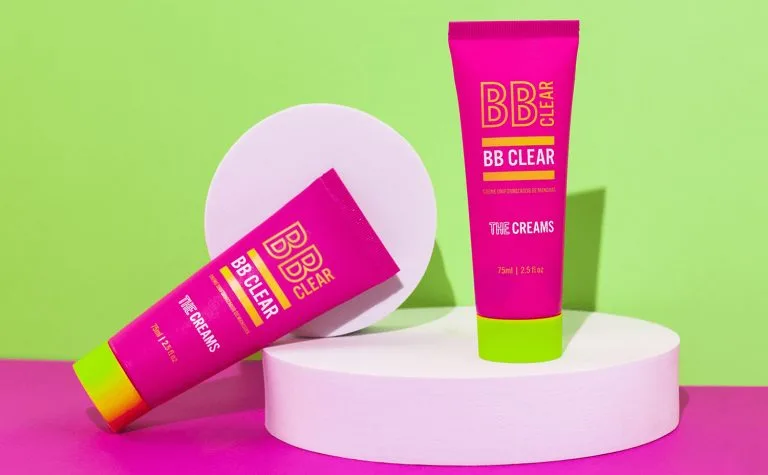
Tubed goods are making a splash in the beauty industry. They provide an innovative and sustainable solution for your skincare routine. From toothpaste to facial cleansers, tube box eliminates the need for plastic pumps and bulky containers. Moreover, they possess a leak-proof design. So, you can take your skincare items on the go without worrying about spills.
2. A World of Adventure: Take Tubes on Your Next Adventure
Whether you’re camping, hiking, or traveling, tubed packaging goods are the perfect companions for your next adventure. Lightweight and compact, they’re easy to pack and won’t take up valuable space in your bag. From squeezable sunscreen to energy gels, you’ll find a wide range of products in tubes that are perfect for the great outdoors.
3. A Pop of Flavor: Add Tubes to Your Cocktails
Tubed goods are not just for food and skincare. They’re also making a splash in the world of cocktails. With squeezable syrups and bitters, you can add a pop of flavor to your favorite drinks. Whether you’re a mixologist or just love a good drink, tubes are a fun and convenient way to experiment with different flavors.
4. The Magic of Tubes: Create Your Own Beauty Products
With tube packaging, you can take control of your beauty routine and create your own custom products. From face masks to hair treatments, you can mix and match ingredients to create products that work best for you. Additionally, they have a compact size. Thus, you can easily store your homemade
creations in your bathroom cabinet.
5. Art Supplies on the Go: Unleash Your Inner Artist
From paint tubes to glue tubes, you’ll find a variety of art supplies in tubes that are perfect for unleashing your inner artist. And with their leak-proof design, you won’t have to worry about spills or drips. Whether you’re an aspiring artist or just like to create, tubed art supplies are a great way to stay creative.
6. Greener Living: Sustainable Packaging
Tube cardboard packaging is not only convenient. But it’s also a great way to live a greener lifestyle. With their compact size, you’ll use less packaging and prevent waste. So whether you’re looking to reduce your carbon footprint or just want to live a more sustainable life, packaged goods are the way to go.
7. Fitness on the Go: Fuel Your Workouts
If you’re an active person, you know that fueling your workouts is important. With tube-packaged goods, you can easily take your favorite energy gels, sports drinks, and protein powders with you. Also, their compact size makes them perfect for fitting in your gym bag or pocket. So you never have to miss a workout.
8. The Perfect Gift: Creative Packaging
Looking for a unique and creative gift idea? Look no further than tubed packaged goods. With their innovative design and wide range of products, you’ll find the perfect gift for anyone on your list. From beauty products to snacks, you’ll find a tube that is perfect for any occasion.
9. Pet Care on the Go: Keep Your Fur Baby Happy
If you’re a pet parent, you know that keeping your furry friend happy and healthy is important. With tubed packaging, you can easily take care of your pet. From squeezable dog food to travel-sized grooming supplies, you’ll find a wide range of products in tubes that are perfect for pet care.
The Future of Tubed Packaging
Tube packaging is a versatile option for a variety of products. This includes cosmetics, personal care items, food, and more. Since the tube design is compact and easy to store, it is ideal for taking tubes for traveling. The packaging is also eco-friendly and sustainable, as it uses less material than traditional packaging options. This reduces waste and helps to protect the environment.
One of the biggest benefits of tubed packaging is its ability to keep products fresh for longer periods of time. So, with the airtight seal, products are protected from air and light, which can cause them to deteriorate. Thus, it means that products stay fresh and retain their quality for a longer period of time. In addition to its practical benefits, tube box packaging is also visually appealing and easy to use. With a range of shapes and sizes, it can be designed to fit any product and to stand out. The tube design also makes it easy to dispense the right amount of product. This reduces waste and ensures that consumers get the most out of their purchases.
Read More:Green Packaging: A Step Toward a Better
Wrap Up
Tube-packaged goods are the future of packaging. With their innovative design, wide range of products and numerous benefits, they are quickly becoming the go-to choice for consumers worldwide. From skincare to fitness, tubed packaging goods are changing the way we think about packaging. The future of tubed packaging is bright. We can expect to see more products being packaged in this convenient and visually appealing package. So, embrace the future and start using tubed custom packaging goods today!
Walk into any beauty store or scroll through an online cosmetic shop and you’ll notice one thing immediately. Many products look similar, but only a few actually stand out. Most of the time, it’s not the formula doing that. It’s the packaging. Cosmetic packaging ideas are not just about making a product look good. They […]
Cosmetic packaging plays a direct role in how products are perceived, handled, and purchased. A well-structured cosmetic packaging setup improves shelf visibility, protects products during shipping, and strengthens brand consistency across different sales channels. For modern brands, packaging is no longer limited to appearance. It involves choosing the right materials, structure, and printing methods based […]
Advent calendar has become a familiar sight across the United States every December. They are everywhere whether in homes, offices, classrooms, retail stores, and even in online shopping feeds. Parents use them to make their kids more excited for Christmas morning. Adults buy them to make their seasonal treats or gifts plans more enticing. Brands […]
Black Friday is the biggest chance for US and Canadian brands to grow. In 2024, shoppers in the United States alone spent $10.8 billion online—a 10.2% jump from 2023. Around the world, people spent a staggering $74.4 billion during Black Friday. Exclusive Black Friday Packaging plays a major role is boosting the sales to new […]
The moment we prepare to enjoy a holiday, candy brands have a fantastic opportunity to increase sales. Holidays are about flavor and specialness. It’s that sense of wonder when opening something so unique, a thrill that begins long before the first bite. And it all happens with the impressive presentation. A chocolate bar becomes an […]
Subscribe to our newsletter to get 30% off on your next order
Custom Packaging Lane is a US-based box packaging and printing firm. We specialize in creating unique and personalized packaging solutions tailored to meet the needs of your brand and product.
Tube packaging is a narrow package with a sealed body, an opening, and a cap or closure that releases the product through a controlled opening. Squeeze tubes flex when the user presses the body. Rigid tubes keep their shape and often use a cap, plug, or fitted lid. The formula, fill method, opening, closure, and label panel all affect the tube design. A tube is a package format, not a guarantee that every product will dispense the same way.
What products fit tube packaging?
Tube packaging fits products that can be dispensed through a small opening, such as creams, gels, pastes, sauces, art materials, grooming products, and some travel products. The product texture determines the opening and wall needed for a usable package. A thick cream needs a different dispensing path from a thin liquid. A product with suspended particles needs a closure that does not clog. Start with the product behavior, then draw the package around it.
Tube format
How it dispenses
What to check
Squeeze tube
Body flexes when pressed
Wall flex, shoulder shape, opening, and cap
Laminated tube
Flexible layered wall supports dispensing
Barrier layer, seam, seal, and artwork coverage
Rigid tube
Product moves through a cap or fitted opening
Closure fit, fill access, and shelf stability
Roll-on tube
Product transfers through a rolling applicator
Ball movement, neck fit, and formula flow
How is tube packaging different from a pouch?
A tube keeps a defined body and gives the user a controlled opening, while a pouch uses a flexible wall and often needs a spout, seal, or tear feature. Tubes suit products that need a repeatable hand-held shape. Pouches can pack flat before filling and may use less structure, but the opening and seal need careful planning. Choose based on dispensing, storage, shipping, and how the customer will hold the package.
How do I design a tube package that works?
Start with the filled product, the target amount, the opening, the cap, and the space available on the shelf. A dieline is the flat cutting and print template for the package. For a tube carton or sleeve, the dieline must account for glue tabs, scores, panels, and the direction of the artwork. Keep type away from scores and seams. Send vector artwork when possible, convert RGB art before press approval, and leave bleed beyond the trim line.
How can a tube package avoid leaks?
Leak resistance comes from the tube wall, shoulder, seal, cap, opening, and formula compatibility working together. Match the closure to the product instead of choosing the cap after the artwork is finished. Check whether oil, alcohol, heat, or pressure can affect the material. A filled sample should be handled, stored, inverted, and packed before the final run. If the product is a gummy rather than a cream, compare as a related product format.
How do I start a custom tube packaging order?
Send the product type, fill amount, dimensions, dispensing method, cap preference, quantity, and artwork to request a quote. The minimum order quantity, or MOQ, is 100 units. Pricing is from $0.49 per unit at volume, quoted to spec. Free design support includes drawing the dieline and sending a digital proof before printing. Production is typically 8 to 10 business days after proof approval, plus delivery. Free US shipping applies. The $19.99 sample kit is credited toward the first order. Start with custom packaging design and include a filled product sample or clear formula description. For another product format, see .
Frequently Asked Questions
What is tube packaging used for?
Tube packaging is used for products that dispense through a small opening, including creams, gels, pastes, sauces, art materials, and grooming products. The product texture determines the opening, wall, shoulder, and cap. A thick formula, thin liquid, or product with particles can require a different dispensing path, so the package should be planned around the filled product.
What is the difference between a tube and a pouch?
A tube keeps a defined body and gives the user a controlled opening. A pouch has a flexible wall and may use a spout, seal, or tear feature. Tubes suit products that need a hand-held shape, while pouches can pack flat before filling. Compare dispensing, storage, shipping, and closure needs before choosing the format.
How can tube packaging prevent leaks?
Tube packaging needs a compatible wall, shoulder, seal, opening, and cap to resist leaks. Formula compatibility matters because oil, alcohol, heat, or pressure can affect the package. Handle a filled sample before ordering the production run, and check the closure after storage, inversion, packing, and ordinary handling.
What is the MOQ for custom tube packaging?
Custom Packaging Lane's MOQ for custom tube packaging is 100 units. Pricing is from $0.49 per unit at volume, quoted to the package specification. Free design support includes drawing the dieline and sending a digital proof before printing. Production is typically 8 to 10 business days after proof approval, plus delivery.
Can tube packaging be used for food products?
Tube packaging can be discussed for food products, but the material, seal, closure, dispensing path, and product contact conditions must match the product. Ask Custom Packaging Lane about food-contact options. Send the product type and formula details with the quote request so the package can be planned around the actual contents.