









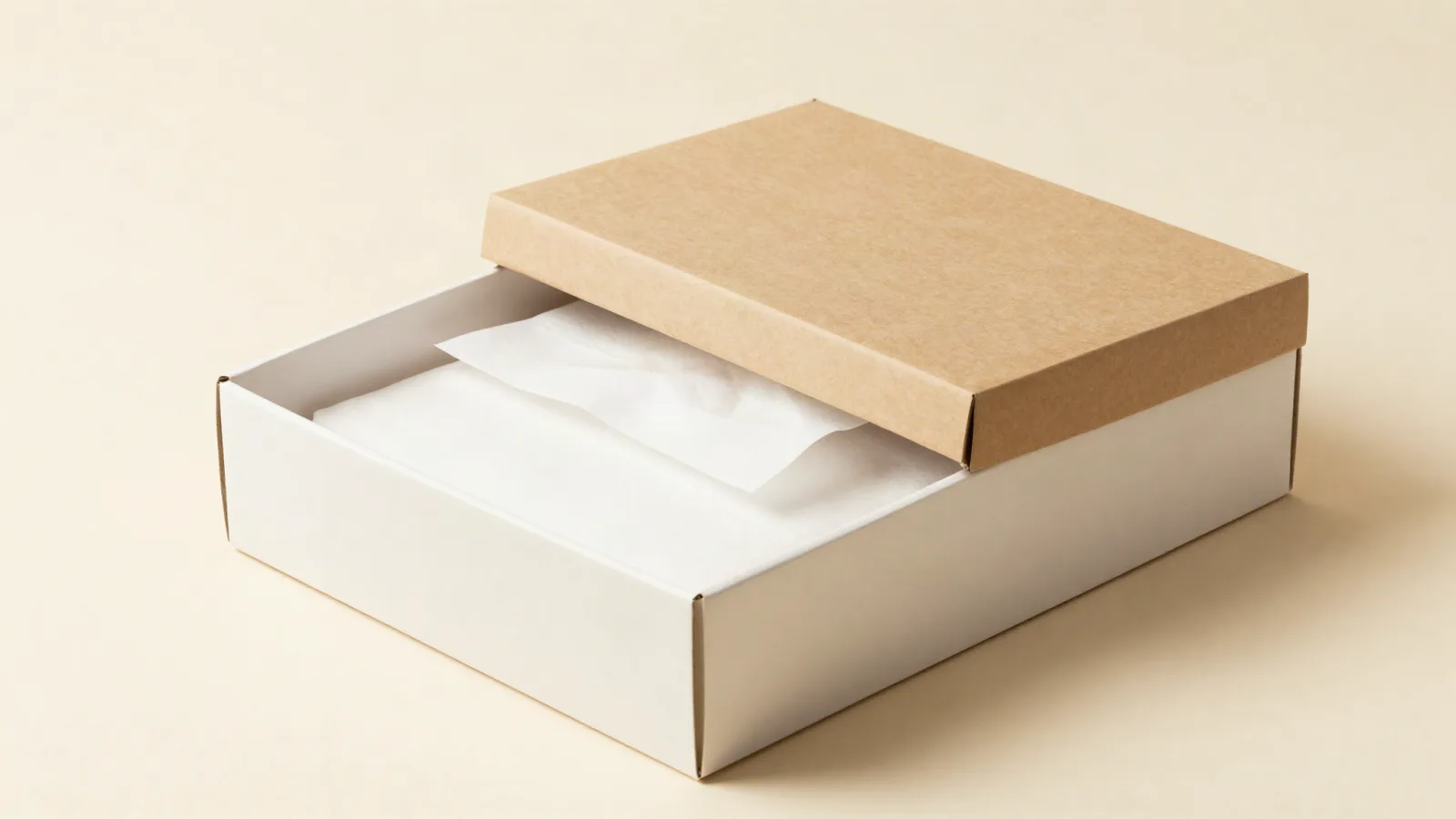



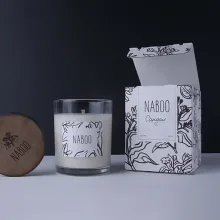







































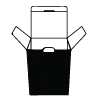

Clothing packaging boxes need to match the garment after folding, grouping, labeling, and packing. Apparel box packaging is broader than a stock carton search. A mailer box is a corrugated box that folds into its own closure, so one format can combine packing and shipping. A separate presentation box may travel inside another shipper. That distinction keeps clothing box packaging tied to the delivery route instead of treating every garment packaging box as the same job.
Are apparel packaging boxes or mailers better?
Use a mailer when the box must ship the filled garment as the outer package. Use a presentation box when the clothing box will travel inside another shipper or reach the customer through a direct handoff. The mailer puts more attention on closure, flute, and transit surfaces. The presentation box puts more attention on the lid, interior reveal, and printed panels. Choose the format from the order path, not from the product name alone.
| Order situation | First format to price | Reason |
|---|---|---|
| Single folded online order | Corrugated apparel mailer | One outer package for fulfillment |
| Coordinated outfit | Roomier apparel packaging box | Keep pieces grouped and visible |
| Gift order | Presentation box inside a shipper | Separate the reveal from transit |
| Retail handoff | Printed box or mailer | Judge the front panel and opening |
What packed dimensions belong in a clothing packaging quote?
Send the garment dimensions after folding and packing, not the hanger size or retail size. Include packed length, width, and height, plus tissue, cards, accessories, or a second wrap that will share the interior. A sweatshirt, lightweight top, and multi-piece set can occupy different profiles even when they share one category. A photo or simple packed sketch gives the quote a physical reference and reduces guesswork at the dieline stage.
Which flute works for apparel shipping boxes?
Choose flute grade from the shipping load and print need. E-flute is typically about 1.2 to 1.8 mm thick, B-flute about 2.5 to 3.2 mm, and C-flute about 3.5 to 4.7 mm; these are typical industry ranges and mills can vary. E-flute is thinner and gives finer print detail. B-flute is thicker and handles stacking better. C-flute adds more thickness and cushioning. The filled garment and the outer shipping route decide which direction deserves a quote.
How do material and finish change clothing box packaging?
Material sets the handling feel, while finish changes glare, scuffing, and how the artwork reads. Kraft board shows a visible fiber direction. White board gives color a cleaner base. Matte laminate reduces reflection, gloss laminate reflects more light, spot UV adds hard gloss to selected areas, and foil creates a metallic mark. A mailer may need a surface that holds up through packing and transit. A presentation box may put more attention on the lid and interior panels.
What should an apparel box proof show?
An apparel box proof should show the assembled mailer or box, folds, scores, glue tabs, opening direction, interior footprint, product position, and any space for tissue or cards. A digital proof is an on-screen version of the finished artwork and structure before anything prints. Check that bleed extends beyond cuts, type stays away from scores, and low-resolution or RGB art has not changed the panel. If the box ships as the outer package, judge the printed surface on every exposed panel.
Which CPL products can anchor an apparel request?
Custom apparel mailer boxes are the closest product reference for apparel shipping boxes. Window display boxes are useful when the retail handoff needs a visible product area. Window boxes can guide a conversation about the relationship between a front cutout and printed artwork. These pages narrow the format discussion; the filled garment still controls the quote.
What should an apparel shipping box handoff include?
The handoff should include the packed garment dimensions, chosen format, flute or board direction, artwork status, opening path, interior components, quantity, and destination. Include the outer shipping route if a presentation box will travel inside another carton. The MOQ is 100 units. Pricing is from $0.49 per unit at volume, quoted to spec. Production is typically 8 to 10 business days after proof approval, plus delivery. Free US shipping and free design support are available.
How do I request clothing packaging boxes?
Send the garment description, packed dimensions, order path, box or mailer preference, artwork status, material question, quantity, and destination. Ask CPL to draw the dieline through free design support and send a digital proof before anything prints. Order the $19.99 sample kit if a physical comparison will help. For a smaller clothing program, use the custom packaging for small business hub.
Frequently Asked Questions
When should I choose an apparel mailer?
Choose an apparel mailer when the filled garment must travel in the same corrugated box that reaches the customer. The mailer request should include packed length, width, height, closure direction, flute choice, artwork, quantity, and destination. A separate presentation box makes more sense when the box will travel inside another shipper.
What is the difference between clothing packaging boxes and shipping boxes?
Clothing packaging boxes describe the broader box format around the garment. An apparel shipping box is the outer package that reaches the customer or carrier route. One box can do both jobs when it is a corrugated mailer. A presentation box may need a second shipper if the printed surface should stay separate from transit handling.
How should I measure a garment for an apparel packaging quote?
Measure the garment after it is folded and packed, then record length, width, and height. Include tissue, cards, accessories, or a second wrap that shares the box. Retail size alone is not enough for clothing box packaging because a sweatshirt, top, and multi-piece set create different packed profiles.
How thick are common corrugated flute grades?
Typical industry ranges are about 1.2 to 1.8 mm for E-flute, 2.5 to 3.2 mm for B-flute, and 3.5 to 4.7 mm for C-flute. E-flute gives finer print detail, B-flute handles stacking better, and C-flute adds thickness and cushioning. Mills can produce different calipers, so the filled garment and shipping route should guide the quote.
What terms apply to apparel shipping boxes?
Apparel shipping box orders use a 100-unit MOQ. Pricing is from $0.49 per unit at volume, quoted to spec. Production is typically 8 to 10 business days after proof approval, plus delivery. Free US shipping and free design support are available. A $19.99 sample kit can help compare mailer and box directions before approval.