



































































What are Mylar bags used for?
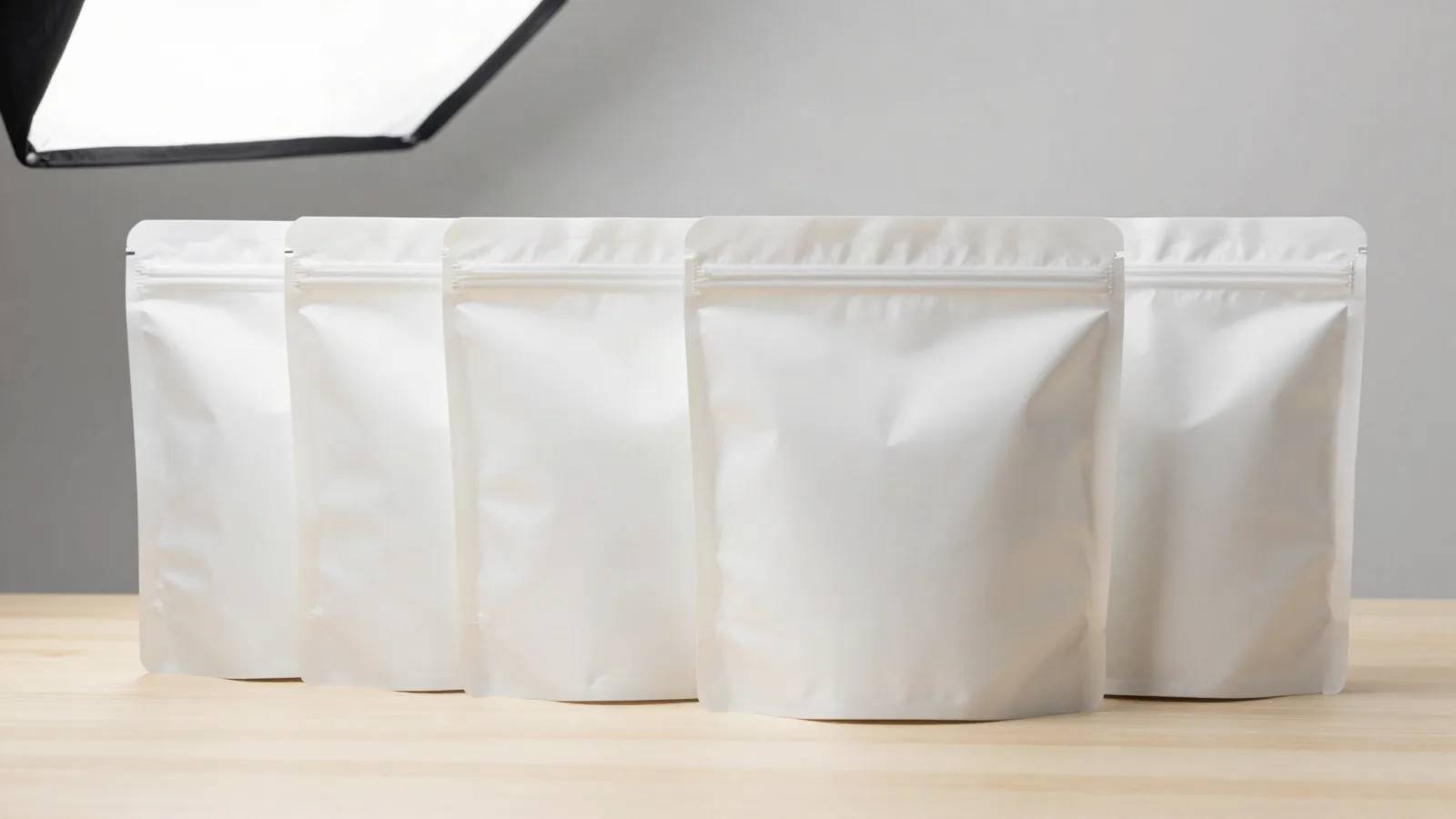
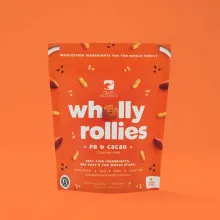
Mylar bags are used for flexible storage and product packaging when a film pouch, barrier layer, custom shape, printed surface, or resealable closure fits the job. In packaging language, a Mylar bag is a flexible pouch made from film layers, often with a metallized layer that limits light and slows the transfer of moisture and odor. The use case determines the fill, size, closure, and material discussion.
Start with the product, the filled dimensions, the storage route, the opening method, and the information the customer must read. If any layer may touch the product, ask us about food-contact options for your product.
Which catalog direction matches each Mylar bag use?
| Use case | Catalog direction | Why it fits the brief |
|---|---|---|
| Large storage format | Large Mylar bags | More room for the filled product, closure, and storage handling |
| Freeze-dried goods | Mylar bags for freeze drying | A starting point for a dry product and sealed pouch discussion |
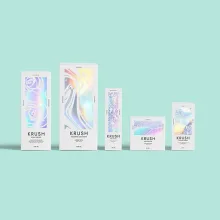
| Supplement presentation | Custom printed Mylar bags | Printed panels for product names, variants, and instructions |
| Custom smell-proof Mylar bags | A catalog direction when odor control and discretion are in the brief | |
| Distinctive product shape | Irregular-shape Mylar bags | A shaped outline for a product-specific presentation |
How do Mylar bags work for storage?
Mylar bags work for storage through the interaction of film layers, seals, closures, and the way the filled bag is handled. A metallized layer limits light and slows moisture and odor transfer. The seal closes the package, while a zipper supports repeat access. A puncture, weak seal, open zipper, or overloaded gusset can defeat the intended storage plan, so the quote needs the fill and handling details.
For Mylar bags for storage, give the filled width, height, depth, headspace, closure, and storage position. A bag that must stand on a shelf has a different brief from a bag stored flat inside a secondary package. Do not attach a shelf-life promise to the word Mylar alone. Request the confirmed construction and barrier information for the selected SKU.
What should food-storage Mylar packaging include?
Food-storage Mylar packaging should start with the product form, fill, filled dimensions, opening method, seal area, and expected storage route. Ask us about food-contact options for your product before selecting the material.
Food storage also raises practical questions about access. A zipper supports repeat opening. A heat seal supports a closed initial package. A tear notch changes how the customer starts the opening. Put those details in the brief, and ask for the selected film layers and thickness in the quote. The bag name alone does not answer those questions.
A printed Mylar bag suits a supplement brief when the front and back panels need product naming, variants, instructions, identifiers, and brand artwork. The chosen bag still needs a filled fit, closure, thickness, and artwork review.
Do not assume a regulatory result from a product name. If the bag may touch a food or ingestible product, ask us about food-contact options for your product.
When do shape and closure matter?
Shape and closure matter when filling, shelf position, repeat access, or product presentation changes how the pouch is handled. An irregular outline can make a product look deliberate, but it also changes the usable interior and the sealing path. A zipper supports repeat access. A heat seal supports an initially closed package. A tear notch and hang hole add different access and display decisions.
List each feature separately. Give the product dimensions, the desired outline, the seal or zipper position, the tear feature, and the artwork panels. The proof should show the outline and closure together, because a shape that looks right on the front can reduce the usable area behind the panel.
What should a barrier or thickness request say?
Ask for the confirmed film layers and thickness for the selected SKU, not a universal mil number. CPL catalog descriptions refer to thickness options and barrier-layer directions, so the quote should identify the construction chosen for the actual use.
- Name the product and intended storage or display route.
- Give the filled width, height, depth, and expected headspace.
- State zipper, heat seal, tear notch, hang hole, window, or child-resistant feature requests.
- Identify print coverage, finish, and required information panels.
- Ask for the confirmed barrier gauge and film layers in the quote.
How do you order a Mylar bag for a specific use?
Custom Mylar bag projects use an MOQ of 100 units. Pricing is from $0.49 per unit at volume, quoted to spec. Production is typically 8 to 10 business days after proof approval, plus delivery. Free US shipping and free design support are available. The wholesale custom packaging page fits a defined run, and the $19.99 sample kit is credited toward the first order.
Send the filled product details, closure request, thickness question, artwork, quantity, and destination with the sample-kit request or quote request. That gives the selected SKU a real use case to answer.
Frequently Asked Questions
What products are commonly packed in Mylar bags?
The right bag depends on the filled product, dimensions, barrier layers, closure, shape, artwork, and storage route. A product name alone does not select the finished construction.
Can a Mylar bag be used for food storage?
A Mylar bag can be discussed for food-storage packaging, but ask us about food-contact options for your product before approval. Give the product form, fill, dimensions, closure, seal area, and storage route. The quote should identify the selected film layers and thickness rather than relying on the word Mylar alone.
Which Mylar bag works for health supplements?
A custom printed Mylar bag works as a starting direction for health supplements when the package needs product names, variants, instructions, identifiers, and brand artwork. Provide the filled dimensions, closure, storage route, quantity, and destination. CPL can then quote the selected construction and finish for the actual supplement format.
If child-resistant access matters, state it as a feature CPL can build and have the exact closure shown in the proof. Do not infer a regulatory result from the bag name.
Does CPL publish one standard Mylar mil thickness?
CPL does not publish one universal Mylar mil thickness for every use case. Catalog descriptions refer to thickness options and barrier-layer directions, so request the confirmed gauge and film layers for the selected SKU. Include the product, filled dimensions, closure, seal area, artwork, and storage route in the quote.