




























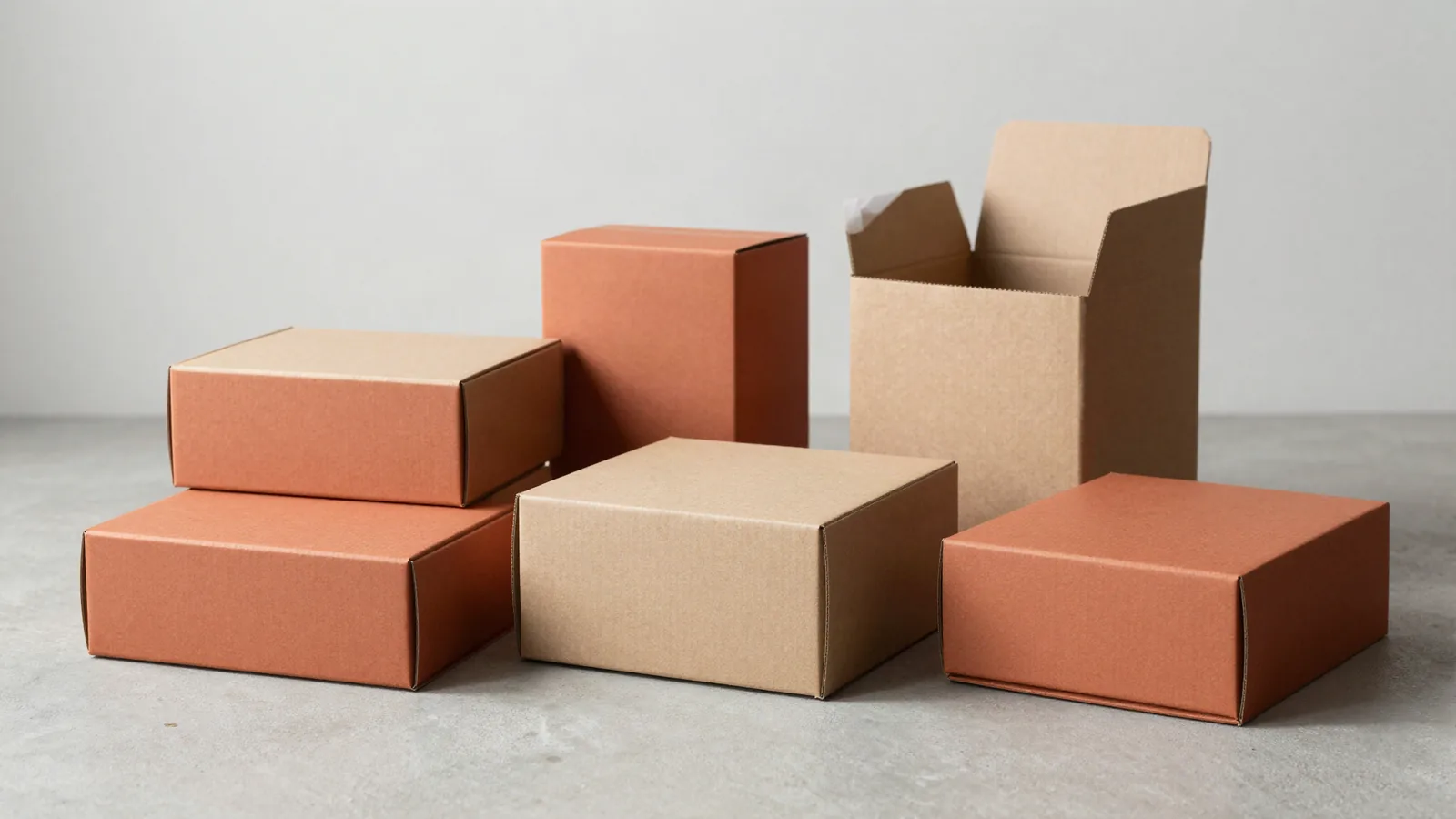




















































What should incense packaging do for sticks or cones?
Incense packaging is the box or flexible bag that holds the sticks, cones, or variety set in a defined arrangement. The package should keep the product identifiable, give the buyer a clear opening, and leave enough panel space for supplied artwork and product information. Sticks and cones have different loading patterns, so the first brief should name the product form.
Custom Packaging Lane can quote small-box and odor-barrier Mylar-style directions around the product shape, arrangement, closure, material, finish, quantity, and artwork. State whether the package is for a single scent, a variety set, a gift presentation, or a private-label line. That choice changes the panel order and the internal layout.
How should incense stick packaging be sized?
Incense stick packaging should be sized around the straight length of the sticks, the group arrangement, and the way the buyer removes them. A dieline is the flat cutting template that shows the box panels, cut edges, scores, glue tabs, and opening. Send the stick length, bundle or separation plan, preferred orientation, closure, and artwork before the dieline is drawn.
A long narrow box may need a clean loading path rather than a tight cavity. If sticks are grouped, state whether they sit loose, inside a sleeve, or against a divider. Keep type away from scores and glue tabs. Check the opening and the product exit on the digital proof, because a box that looks right on the front can still be awkward to load.
For a structure that uses a planned access point, review perforated packaging. For a branded line, the private-label packaging page is another catalog direction. Both are starting points, not substitutes for the actual stick arrangement.
How are incense cone boxes different from stick boxes?
Incense cone boxes are planned around compact pieces that can sit loose, grouped, layered, or separated by an insert. Stick boxes need a straight product path. Cone boxes need a stable base, a practical opening, and a cavity that keeps the cones from rolling into the fold or closure.
| Incense format | Main packaging question | Quote information |
|---|---|---|
| Incense sticks | How should a linear product sit and exit? | Orientation, divider, closure, artwork, and product fit |
| Incense cones | How should compact pieces be grouped? | Cavity, arrangement, opening, material, and finish |
| Variety set | How should scents or versions stay identifiable? | Separation, labeling, insert direction, and panel order |
| Gift or private-label line | How should the package present the brand? | Box style, finish, artwork, closure, and quantity |
A tray can give cones a defined base. A divider can separate scents or versions. A simple cavity can suit a grouped pack when the opening and product movement have been checked. Review wax packaging and seed packaging as related catalog formats, then ask CPL to quote the incense construction around the real product.
When does odor-barrier Mylar matter for incense packaging?
Odor-barrier Mylar matters when the brief calls for a flexible package that limits odor transfer and blocks light. The barrier comes from the film structure, often a metallized layer, so the quote should identify the selected material rather than rely on a general phrase such as barrier bag.
Confirm the contents, closure, orientation, artwork, and finish together. A zipper can support repeat opening. A tear notch makes the first opening clear. A sealed flexible bag may suit a compact format, while a small box may give the line a firmer front panel. Ask CPL to record the material direction in the quote.
What finish suits incense box packaging?
Matte lamination reduces glare and keeps small product information easier to read under bright light. Gloss lamination reflects more light and gives large artwork a brighter surface. Spot UV adds a selected glossy area. Foil adds a reflective mark to chosen artwork. Finish should follow the panel hierarchy, not cover the copy, barcode, score, or opening instruction.
Kraft paperboard changes the color field of the artwork. White paperboard gives printed colors a clean base. If the box uses an insert, tray, or divider, check that the finish, scores, glue tabs, and internal structure appear together on the proof. A finish does not fix a poor fit.
What are the MOQ, price, and production window?
Custom incense packaging runs start at 100 units. Pricing is from $0.49 per unit at volume, quoted to spec, with the small box or bag, material, closure, finish, artwork, quantity, and order details setting the quote. Production is typically 8 to 10 business days after proof approval, plus delivery.
Free US shipping and free design support are available. We draw the dieline and send a digital proof before anything prints. A $19.99 sample kit gives you physical packaging directions to inspect before approving the final structure. For the design path, see custom packaging design.
What should I send before proof approval?
- State whether the package is for sticks, cones, or a mixed set.
- Describe the arrangement, opening, closure, divider, tray, or insert.
- Identify the odor-barrier material question and requested finish.
- Provide the logo, colors, copy, panel priorities, quantity, and destination.
- Check the final fit, artwork, material, opening, scores, and glue tabs on the proof.
Send the product arrangement first. The quote can then name the box or bag structure, material, finish, quantity, and next proof step.
Frequently Asked Questions
How should incense stick packaging be designed?
Incense stick packaging should start with the straight product length, orientation, group arrangement, opening, and artwork panels. State whether sticks are loose, bundled, separated, or held by an insert. The quote should name the closure and material as well as the outer box, because those choices affect loading, access, and presentation.
What are incense cone boxes used for?
Incense cone boxes organize a compact product for storage, retail presentation, gifting, or a variety set. Explain whether the cones are loose, grouped, layered, separated, or paired with another item. The box can then be quoted around the cavity, opening, material, finish, artwork, and intended arrangement.
Can incense packaging use an odor-barrier Mylar format?
Incense packaging can use an odor-barrier Mylar-style format when the project calls for a flexible barrier bag. Ask for the selected film structure to be named in the quote, then confirm the closure, contents, artwork, orientation, and finish together. The general phrase incense packaging does not identify a specific barrier construction.
What is the MOQ for incense packaging?
The MOQ for incense packaging is 100 units. Pricing is from $0.49 per unit at volume, quoted to spec, with the box or bag format, material, closure, artwork, finish, and quantity setting the quote. Free US shipping, free design support, and a $19.99 sample kit are available.
How long does incense packaging production take?
Incense packaging production is typically 8 to 10 business days after proof approval, plus delivery. Settle the stick or cone arrangement, material, closure, finish, and artwork before approving the proof. The production window is separate from delivery, so plan both parts around the intended retail or launch date.












