
















































































Incense packaging boxes are easiest to size when the packed stick or cone arrangement is known first. A scent name does not tell a printer the interior shape. A dieline is the flat cutting template that marks panels, scores, cuts, glue tabs, and the opening. For buyers searching incense box packaging, incense stick boxes, incense cone packaging, or custom incense boxes, the useful brief starts with the product as it will sit inside the package.
How should incense packaging boxes be sized?
Incense packaging boxes should be sized from the filled stick or cone arrangement, not from the scent name or a generic carton.
Record the finished product length, bundle shape, count, wrap, sleeve, and loading direction. A stick bundle that lies flat needs a different interior from one that stands upright. The same applies to cones, especially when the package includes a tray, divider, or inner pouch. CPL can use incense-box order records as a starting reference for standard stick-count groupings, but the packed arrangement controls the final size.
What should a stick-count record show?
A stick-count record should show the product grouping, inner layer, opening direction, and display position before the dieline is drawn.
| Package record | What to capture | Why it changes the box |
|---|---|---|
| Stick grouping | Finished length, bundle shape, and count | Sets the usable interior and loading path |
| Inner layer | Wrap, sleeve, tray, or divider | Changes clearance and product support |
| Variant identity | Scent name, blend, and artwork version | Keeps the printed box tied to the right product |
| Display position | Upright, flat, gift, or shelf-facing | Sets the front panel and opening direction |
This record is a planning tool, not a universal count chart. If a stick count is still changing, mark it as provisional before artwork starts. A late count change can move the front panel, the closure, and the amount of space available for the scent name.
How should incense stick boxes organize a scent line?
Incense stick boxes should keep fixed brand elements separate from scent-specific information.
Set the logo position, type hierarchy, panel order, and finish direction once. Then list the scent name, blend wording, color treatment, and artwork version for each package. Keep the front panel readable in the natural display position. Type that sits too close to a score can fold into the crease or lose its alignment after assembly.
Low-resolution art and RGB files can also create avoidable prepress problems. Send the working artwork with the physical package record. The printer can then convert the file for press, check the dieline, and send a digital proof before anything prints.
How should incense cone packaging handle a different pack-out?
Incense cone packaging should have its own pack-out record when the cone arrangement, support, closure, or artwork differs from a stick package.
Keep the outer brand language related, but draw the interior around the cone group that will actually be loaded. Note whether the cones sit in a tray, pouch, divider, or loose grouping. Mark the removal path and the front-facing panel. If the package uses a window, keep the visible area clear of the product support and confirm that the scent name remains readable after filling.
Which material and finish fit custom incense boxes?
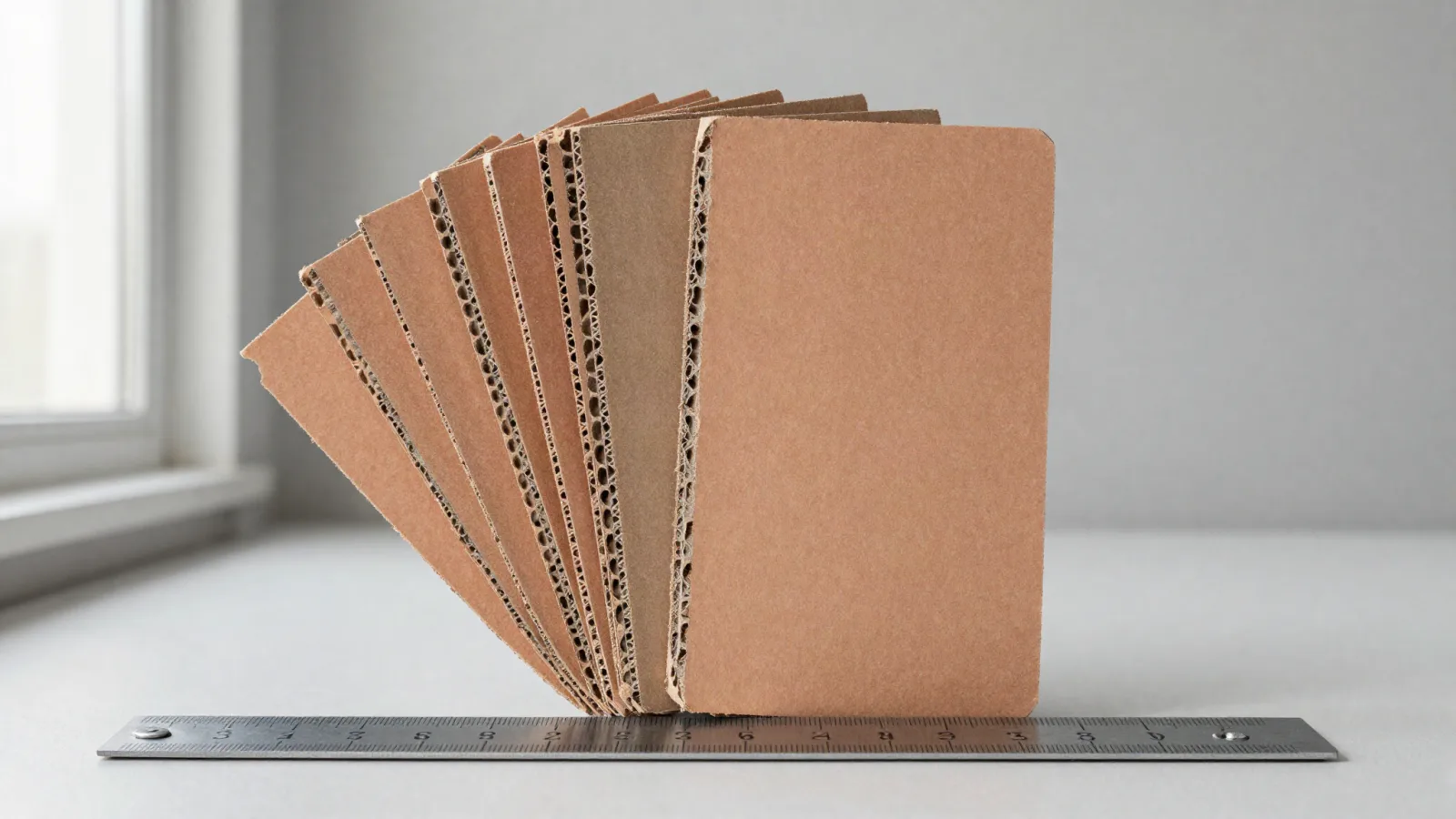
Paperboard fits a folding carton direction, kraft paperboard keeps a natural paper tone visible, and rigid construction holds its shape without a fold.
Matte lamination reduces surface glare. Gloss lamination reflects more light and can make printed color appear brighter. Foil adds a metallic accent to selected details, while embossing or debossing changes the relief of a mark or pattern. These choices affect the surface, the fold areas, and the way the package opens, so put the material and finish into the brief before the proof.
Which catalog formats should I compare for an incense project?
Incense boxes are the closest catalog reference for a dedicated stick or cone package. Window boxes are useful when the buyer wants a defined viewing area. Window display boxes provide another reference when shelf orientation and product visibility shape the structure.
These product pages are starting points, not universal dimensions. The filled incense arrangement, selected board, artwork, and opening still need their own proof.
What should the incense box proof check?
The incense box proof should be checked with the filled stick bundle or cone arrangement inside.
Inspect the scent name, front panel, opening direction, score lines, glue tabs, window position, inner support, and display orientation. Check that bleed reaches the cut edge and that important type stays clear of folds. Confirm the product does not rattle inside the package. CPL uses a 100-unit MOQ. Pricing is from $0.49 per unit at volume, quoted to spec. Production is typically 8 to 10 business days after proof approval, plus delivery. Free US shipping and free design support are available. Start with custom packaging design, then compare physical board and finish direction with the $19.99 sample kit, which is credited toward the first order.
Frequently Asked Questions
How do I choose a size for incense stick boxes?
Incense stick box size starts with the finished stick length, bundle shape, count, wrap, and opening direction. CPL can use incense-box order records as a planning reference, but the actual packed bundle controls the interior. Send the filled arrangement or a clear pack-out description before the dieline is prepared.
Should incense cones use a different box from incense sticks?
Incense cone packaging should use a separate package record when the cone arrangement, support, opening, or artwork differs from a stick package. The outer brand system can stay related, but the interior should follow the cone group that will be loaded. Confirm the filled pack-out in the digital proof.
Which finishes can I compare for custom incense boxes?
Custom incense boxes can be compared with paperboard, kraft paperboard, rigid construction, matte lamination, gloss lamination, foil, embossing, or debossing when the selected format supports them. Matte reduces glare, gloss reflects more light, and foil or relief accents focus attention on selected artwork details.
How should a scent line keep incense artwork organized?
An incense scent line should use one master layout for fixed logo, type, panel order, and finish elements. Each variant needs its own scent name, blend wording, color treatment, artwork version, and physical pack-out record. Keep those fields together so the right file stays attached to the right box.
What terms apply to incense packaging orders?
Custom Packaging Lane uses a 100-unit MOQ for incense packaging orders. Pricing is from $0.49 per unit at volume, quoted to spec. Production is typically 8 to 10 business days after proof approval, plus delivery. Free US shipping and free design support are available, and the $19.99 sample kit is credited toward the first order.












