





















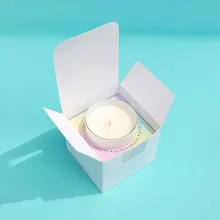



































Bakery packaging boxes are sized from the packed product outward. A dieline is the flat cutting template used to print, cut, score, and fold a box. For a cake, the dieline starts with the cake board footprint, finished height, topping clearance, and the way the box is lifted at handoff. CPL's custom packaging for small business route is a useful starting point for a bakery building a small family of formats.
What size bakery box do I need?
The right bakery box size is the packed product footprint plus clearance for height, toppings, inserts, and removal. Cake box sizes are usually specified by interior length, width, and height, not by the cake name alone. A cake board can set the footprint, while frosting, fruit, piping, or a lid insert sets the height. For cupcakes, record cavity count, frosting clearance, and the path a customer uses to lift one out. For pastries, record each piece and the gap that stops icing or filling from rubbing against the next piece.
| Bakery format | Size brief | Structure or material choice |
|---|---|---|
| Single cake | Board footprint, finished height, topping clearance | Paperboard or corrugated box with a stable closure |
| Pastry assortment | Piece layout, spacing, filling contact, holding position | Tray, divider, liner, or paperboard box |
| Cupcake set | Cavity count, frosting height, lift path | Insert with cavities, top clearance, and a locking closure |
| Window bakery box | Visible area, product height, fold and glue zones | Window placement with support and print clearance |
There is no useful universal cake box size list without the packed dimensions. A bakery can send the finished item, board size, height, and arrangement instead. We draw the dieline from that brief and send a digital proof before anything prints. That is where a bakery can catch a lid that sits too close to a decoration, an insert with too much clearance that lets the product rattle, or type placed over a score.
How should I choose materials for pastry box packaging?
For pastry box packaging, choose the board and interior treatment after you record grease exposure, filling, temperature, and holding period. White paperboard gives a clean print surface and strong contrast. Kraft gives an unbleached surface with a natural look. Corrugated adds fluting, the wavy inner layer in the board, plus cushioning for larger cartons or delivery paths. A grease-resistant interior, liner, or insert can limit visible oil transfer, but the material needs to match the pastry and the contact area. Ask us about food-contact options for your product before artwork is locked.
Matte and gloss lamination also change the working surface. Matte reduces reflection, while gloss makes printed areas more reflective. A coating can change how ink looks and how a flap takes glue, so finish choice belongs in the dieline and proof discussion. Wax packaging is an adjacent reference for liners, windows, sleeves, and inserts.
When do window bakery boxes make sense?
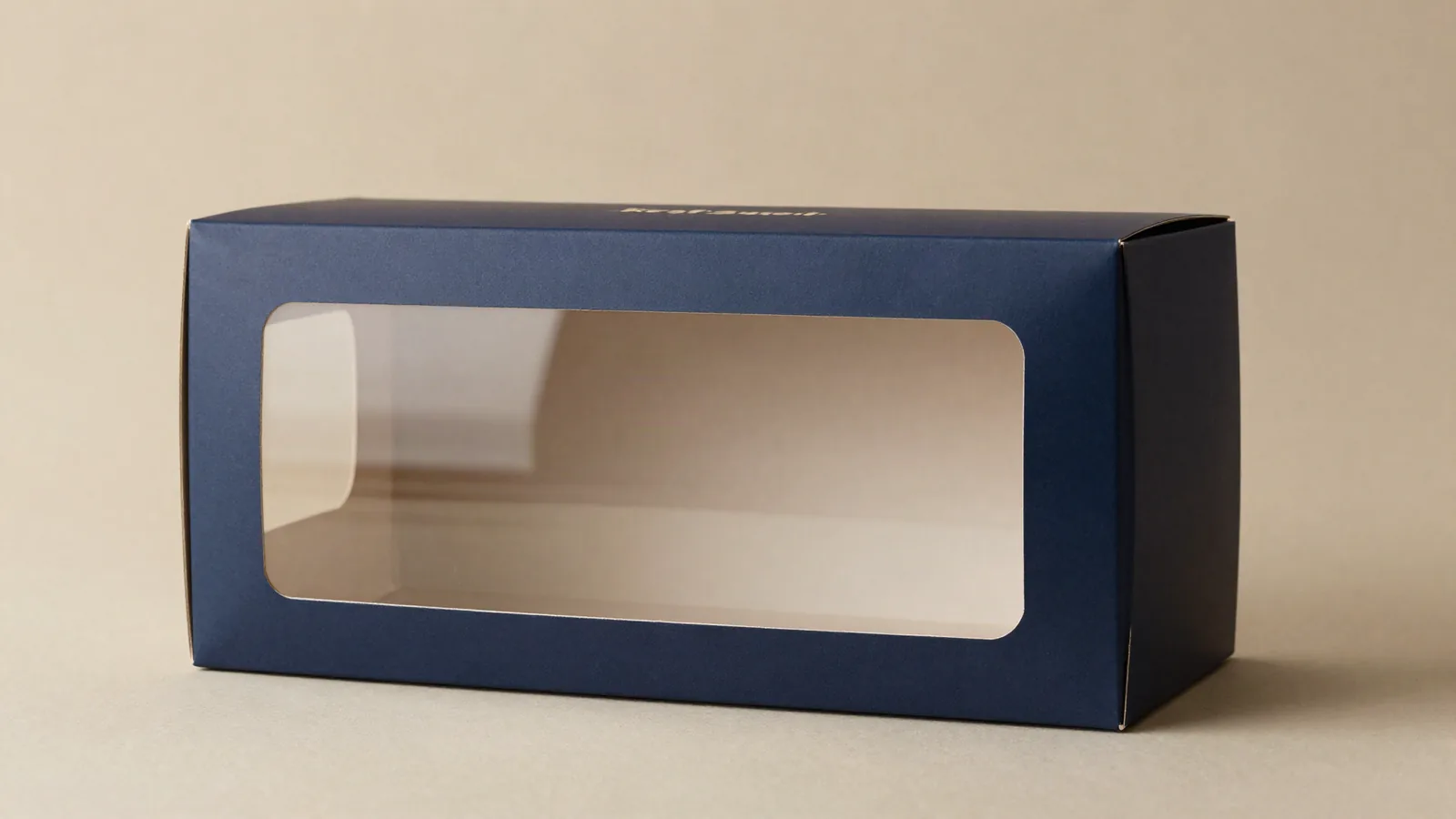
Window bakery boxes make sense when the product itself is part of the handoff. A clear window lets the customer see decoration, color, or assortment without opening the package. Place the window where it avoids scores, glue tabs, and the strongest support area. Keep the printed logo and product copy off the viewing opening. The wine box packaging page is an adjacent reference for visibility and gift presentation; a bakery window still has to support the packed treat.
What should I check before approving bakery box artwork?
Check the digital proof against the physical arrangement before artwork approval. Low-resolution art becomes obvious on a large panel. RGB art can shift when it is converted for press. Type too close to a score can fold through a word, and missing bleed can leave an unprinted edge after cutting. We send a digital proof before anything prints. Check logo position, window, closure, barcode, copy, and every fold line there. The production clock starts at proof approval, not at the date of the first inquiry.
What should I check at the packing bench?
The packing bench is where a good dieline earns its keep. Record the opening direction, glue tab access, score direction, insert load order, and the hand used to lift the finished box. A box that looks fine on a screen can slow packing if a flap blocks the next step. If boxes travel in a master carton, record how they nest and where pressure lands. A master carton is the larger carton that holds multiple finished boxes. For a delivery route, note whether the box rides flat, stacked, or inside another shipper.
How can a bakery keep recurring packaging consistent?
Bakery teams keep recurring packaging consistent by fixing the brand panels and changing only the structure that the product requires. Keep logo position, color direction, panel order, and finish notes together. Change cavity layout, height, window placement, or product copy when the pastry changes. Private label packaging is another reference for repeat artwork systems. That page does not replace a bakery-specific fit check.
Projects use a 100-unit MOQ. Pricing is from $0.49 per unit at volume, quoted to spec. Production is typically 8 to 10 business days after proof approval, plus delivery. Free US shipping and free design support are available. Order the $19.99 sample kit before approving a direction, then send packed dimensions and artwork for the quote.
Frequently Asked Questions
How should I send cake box sizes for a quote?
Cake box size information should include the finished footprint, height, topping clearance, cake board, and any liner or insert that stays inside. A cupcake request should add cavity count and frosting clearance. A pastry request should show the piece arrangement and gaps. Those details let Custom Packaging Lane draw the dieline around the packed product.
Can bakery packaging include a grease-resistant interior?
Bakery packaging can be planned with a grease-resistant interior direction, liner, or insert after the pastry, filling, temperature, holding period, and contact area are described. The material choice belongs in the product brief. Ask Custom Packaging Lane about food-contact options for the product before artwork approval.
What makes a window bakery box practical?
A window bakery box is practical when the customer needs to see decoration, color, or assortment without opening the package. The window should stay clear of scores, glue tabs, support areas, and important copy. Share the viewing area and packed arrangement so the opening does not weaken the box or hide the brand panel.
Can cake, pastry, and cupcake boxes use one brand system?
Cake, pastry, and cupcake boxes can share logo placement, color direction, panel order, and finish notes while using different heights, cavities, inserts, or windows. The shared artwork system keeps the family recognizable. Each structure still needs its own fit check because the packing sequence and product clearance are different.
What are the ordering terms for bakery boxes?
Bakery box projects use a 100-unit MOQ. Pricing is from $0.49 per unit at volume, quoted to spec. Production is typically 8 to 10 business days after proof approval, plus delivery. Free US shipping, free design support, and a $19.99 sample kit are available for planning the package.