










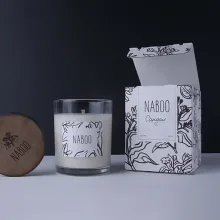
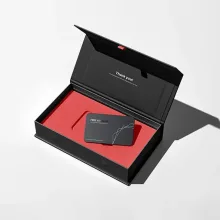
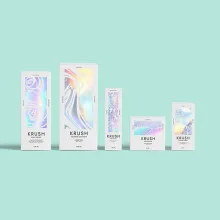

























Bakery packaging trends are useful only when the label changes a decision about fit, packing, display, or finish. Bakery box trends can describe a visual style, a structural format, or a documented order pattern. Bakery packaging ideas are not order data, and trending bakery boxes are not a ranking unless the source and period are clear. The CPL brief supplied for this page contains no order-share percentages, so the directions below are comparisons, not a ranking of what customers are ordering.
What counts as a bakery packaging trend?
A bakery packaging trend is a repeated structural, material, or finish choice supported by a defined period and source. Without that evidence, call the item a design direction or test idea. That distinction matters when a bakery is choosing a window, sleeve, perforation, board surface, or coating for a real product.
Which bakery box ideas are worth testing?
The most useful bakery box ideas to test are window cartons, closed printed cartons, sleeves with trays, perforated openings, and kraft cartons, each against the same product arrangement.
| Packaging direction | What it changes | What to check |
|---|---|---|
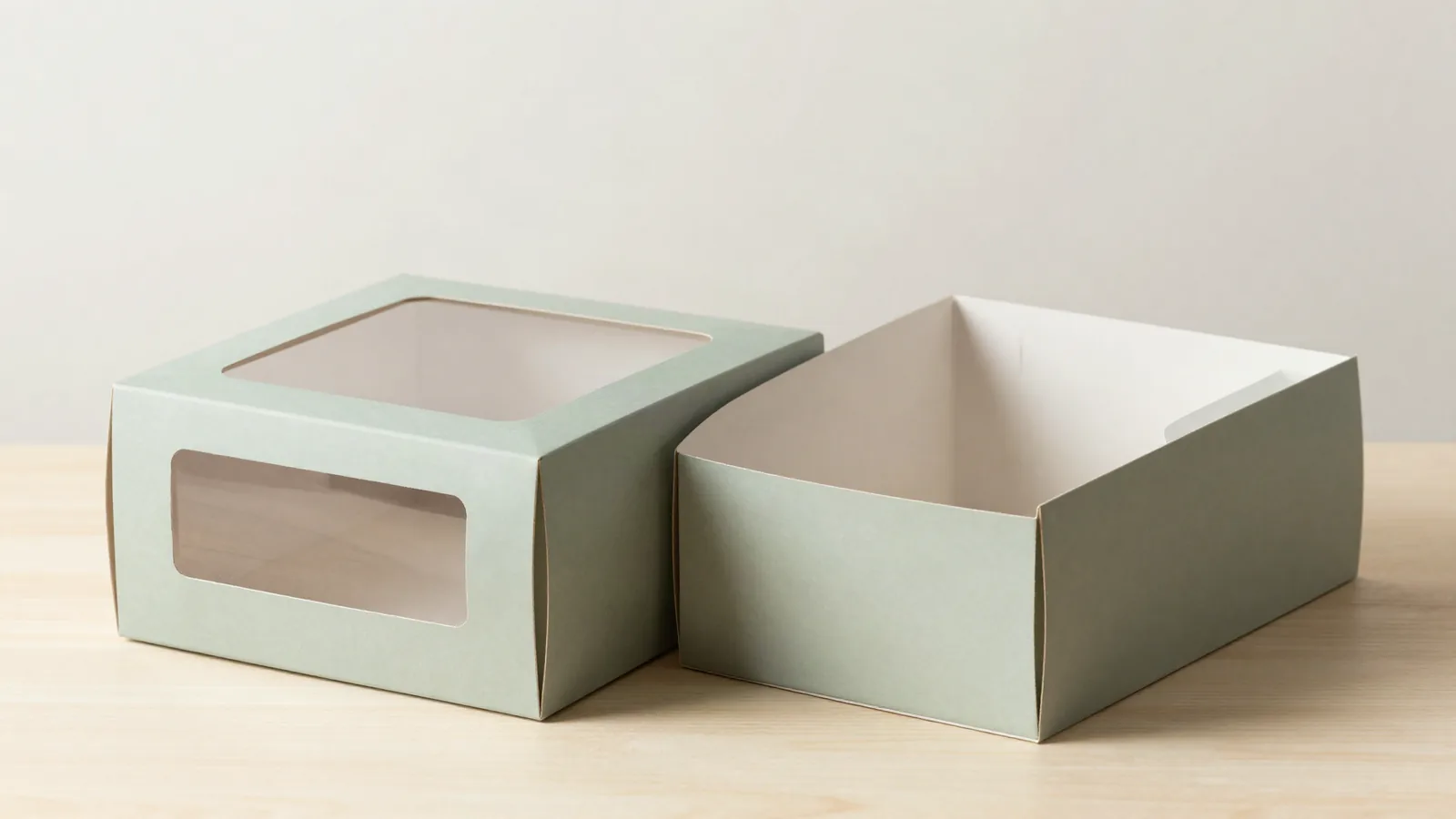
| Window carton | Product visibility during display or handoff | Window position, support, and copy clearance |
| Closed printed carton | More printable space for branding and product copy | Opening direction, panel order, and handling |
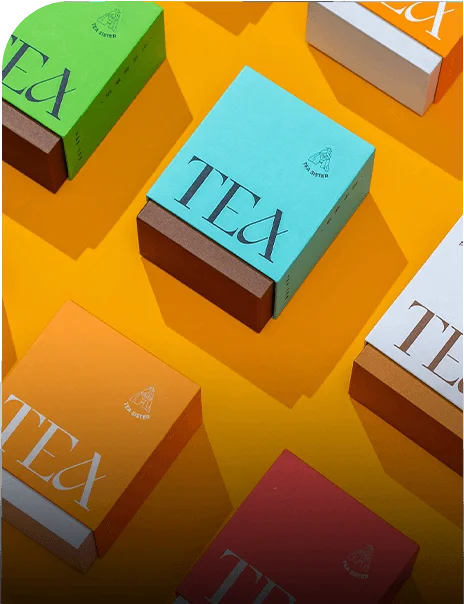
| Sleeve and tray | Separate support from the printed outer cover | Tray fit, sleeve movement, and loading order |
| Perforated opening | A defined access path through the package | Pull direction, tear path, and panel placement |
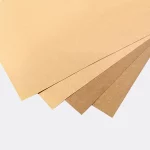
| Kraft carton | An unbleached paperboard surface and print contrast | Surface, artwork contrast, and product contact |
A trend label does not replace a fit check. The same window can work for a decorated cake and fail for a stacked pastry assortment. A sleeve can improve presentation but slow the packing sequence. Test each direction against the finished product, loading path, display position, and information the package must carry.
How do finishes change bakery packaging ideas?
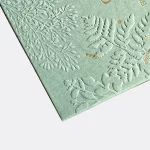
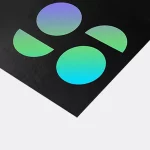
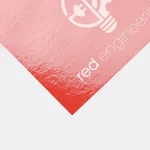
Finish selection changes reflection, tactile feel, fold behavior, and the way a logo reads under retail light. Matte reduces reflection, gloss increases it, and soft-touch changes the feel of the printed surface. Foil adds a metallic accent. Embossing and debossing change the relief of a mark or pattern. Spot UV is a localized glossy coating; keep it away from score and fold lines because a hard coating can crack there. Aqueous coating is water-based, dries fast, and takes glue and ink better on flaps than a hard glossy coating.
How can I separate a trend from a fit problem?
Start with the packed item, not the visual reference. A bakery should confirm whether the package needs a board, liner, insert, divider, card, or grouped assortment. Then mark the opening, front face, score, seam, and primary branding panel. A window that hides copy, a perforation that lands across a score, or a sleeve that slows loading is a fit problem, even if the style looks current.
- Record the finished product shape and clearance needs.
- Mark the window, closure, seam, and primary branding panel.
- Describe the packing and handoff process.
- Separate documented order evidence from design preference.
Which product references can help compare bakery packaging ideas?
Private label packaging is a reference for a bakery that wants the box, printed identity, and finish direction considered together. Perforated packaging can frame an access concept when the opening matters. Wine box packaging gives a gift-oriented carton reference for a bakery exploring a more deliberate presentation. These are adjacent product pages, not proof that one format is gaining share among bakeries.
How do I turn a bakery packaging idea into a quote?
Send the finished product dimensions, board or liner details, preferred structure, window or opening request, artwork, material, finish, quantity, and shipping destination. We draw the dieline free and send a digital proof before anything prints. The production clock starts at proof approval. Low-resolution art, RGB files, missing bleed, and type placed over a score should be corrected before that approval.
The MOQ is 100 units. Pricing is from $0.49 per unit at volume, quoted to spec. Production is typically 8 to 10 business days after proof approval, plus delivery. Free US shipping and free design support are available. A $19.99 sample kit can help compare physical directions before approval. Use custom packaging design when structure and artwork need to be planned together.
What works for oily or humid bakery products?
A suitable liner or primary wrap should handle grease and moisture, while the carton provides shape, stacking support, and printed information. C1S and C2S paperboard commonly run from 12 to 24 pt; the stock callout should identify the print surfaces and whether the inside appearance matters. Neither board label alone establishes suitability for a particular food. Ask us about food-contact options for the product and packing conditions.
Warm goods can release vapor, chilled goods can form condensation, and butter-rich products can mark an untreated surface. For bakery cartons, clear window stock often falls between 0.2 and 0.3 mm; PET is polyethylene terephthalate. Window patching is the operation that fixes that film behind a cut opening. Test the filled package at the real packing temperature and display angle, then inspect the glue seam, base panel, and the boundary where a liner or window ends.
How can staff reduce setup steps during a busy bakery shift?
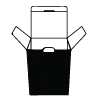
An auto-lock bottom removes a separate base-folding step because its pre-glued panels open into position as the carton is erected. Other structures trade that speed for access, carrying, or a separate presentation lid.
| Structure | Delivered form | Loading direction | Operational check |
|---|---|---|---|
| Auto-lock bottom | Flat, pre-glued | Top load | Base fully locks before filling |
| Straight tuck end | Flat | End load | Product clears both tuck flaps |
| Gable carton | Flat | Top load | Handles meet above the center of mass |
| Two-piece box | Base and separate lid | Top load | Lid seats without touching decoration |
A kraft bakery box can be checked for print contrast and fold behavior, while a brownie box gives a reference for low-profile packout.
How should flat bakery boxes be stored and replenished at the counter?
Bundle orientation, humidity, and the number erected before a rush determine whether cartons stay flat and clean. Store flat blanks with support across the full panel, keep heavy items off scores and windows, and rotate bundles by artwork version. At the counter, stage only the amount staff can erect without blocking product or code areas.
For outer cases, 32 ECT single-wall corrugated is a common reference, but packed weight, flat-blank span, stacking pattern, and storage route still determine the case choice. Record boxes per bundle, bundles per case, cases per pallet, and label-facing direction. Apply the same storage criteria while browsing custom bakery boxes, then compare physical surfaces through the sample kit.
How can seasonal bakery packaging change without a new box size?
One locked structure can support holiday, event, and limited-menu artwork when the product footprint, board, closure, and window stay unchanged. Keep a version matrix with the exact item name, season, filename, quantity, and front-panel proof for each design. Digital printing often suits several short versions, while offset becomes a useful comparison when one design can absorb plate setup.
Do not let seasonal graphics cover the date-code area, barcode quiet zone, score, or glue tab. Metallic foil or spot UV should appear as separate finish layers in the artwork. During a press check, match every printed front panel to the version matrix and approved digital proof so holiday, birthday, and everyday cartons remain separated.
Where should bakery barcodes and date codes go?
A back or side panel with high contrast gives both symbols a reliable reading area after closure. GS1 specifications call the blank margin immediately beside a barcode its quiet zone. Keep the symbol away from seams, folds, windows, strong texture, metallic effects, and any panel that curves after loading.
Lot and date information needs a separate light area sized for the coding method used during packing. If a coating covers that panel, run the actual inkjet or thermal-transfer code on the finished surface and check adhesion after handling. Tape, labels, or case packing should not cover the code.
Frequently Asked Questions
How can I tell whether a bakery packaging trend is real?
A bakery packaging trend is more than a visual style when a defined source, time period, and repeated structural, material, or finish choice support the label. If those details are absent, treat the item as a design direction. Compare it with the product fit, packing process, display need, and artwork before ordering.
Which bakery box ideas can I compare?
Bakery box ideas to compare include window cartons, closed printed cartons, sleeves with trays, perforated openings, kraft cartons, and finish-led designs. The useful choice depends on the product arrangement, loading sequence, display position, and copy area. A physical sample can show how the structure behaves before proof approval.
What finishes can be used on bakery packaging?
Bakery packaging can use matte, gloss, soft-touch, foil, embossing, debossing, spot UV, or aqueous coating as finish directions. Matte reduces reflection, gloss increases it, and spot UV adds localized gloss. Keep coatings away from score and fold lines. Ask us about food-contact options if the package touches the product.
What does a custom bakery box order start at?
A custom bakery box order starts at 100 units. Pricing is from $0.49 per unit at volume, quoted to spec, so the amount is not a flat price for every structure. Dimensions, board, printing, finish, and quantity belong in the quote before the package is approved.
How long does custom bakery packaging take?
Custom bakery packaging production is typically 8 to 10 business days after proof approval, plus delivery. The clock starts after the proof is approved, not when the first inquiry arrives. Free US shipping and free design support are available, and the $19.99 sample kit can help compare structures and finishes before approval.