


























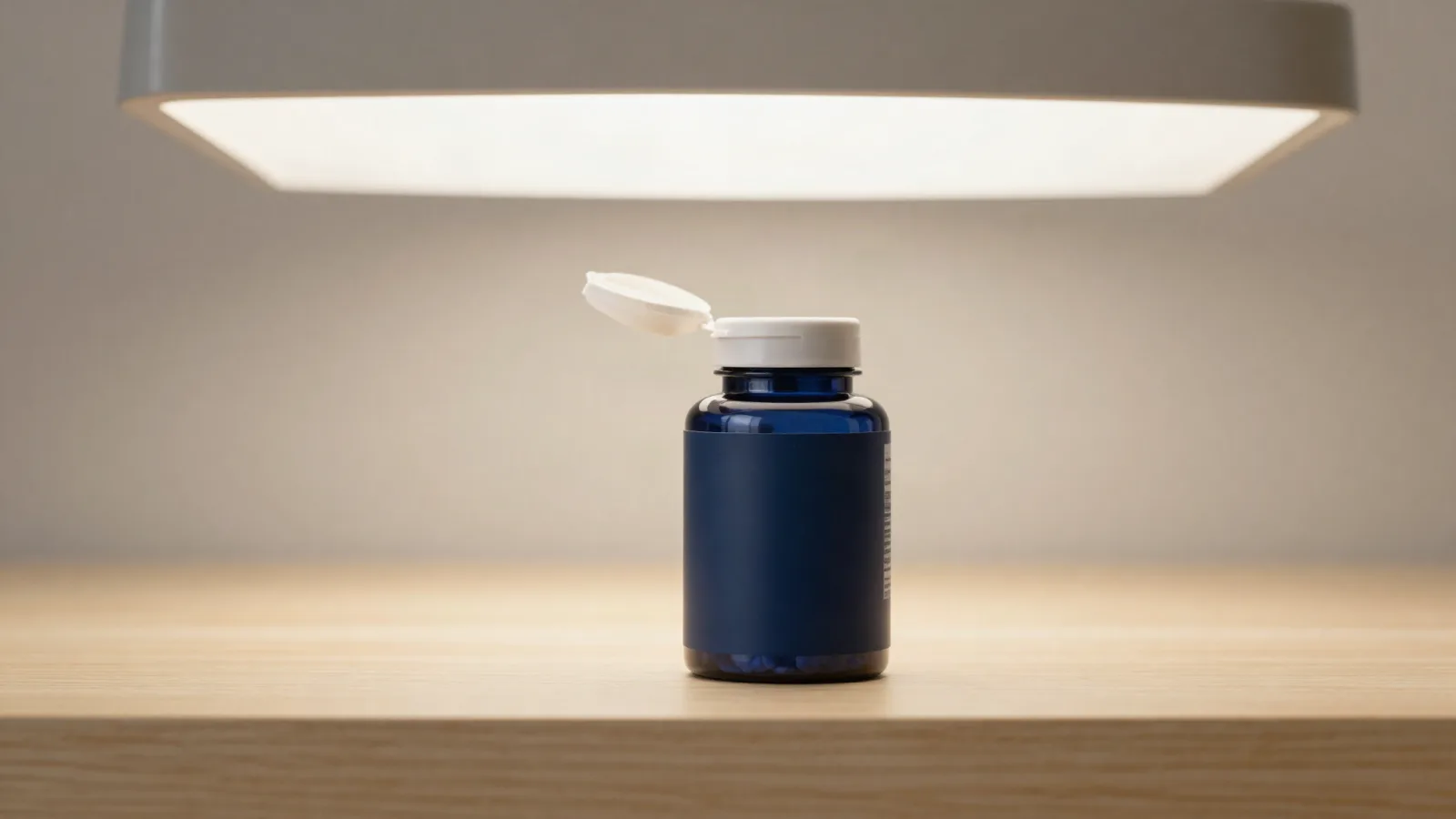



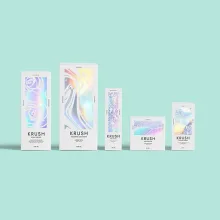
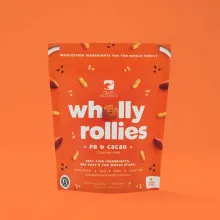
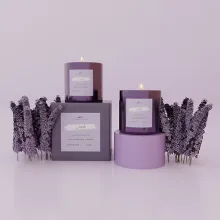
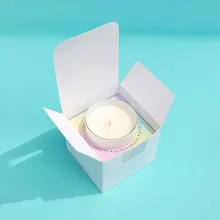





































Supplement packaging is a coordinated job when one product line uses an outer box, bottle label, pouch, or more than one format. The package has to keep the brand recognizable while the product name, variant, supplied copy, and physical dimensions change by item. Start with the filled bottle or pouch and the text that must appear on it. A guessed template is how an old flavor name survives into a new proof.
For each product, write down the format, exterior dimensions, panel roles, material, finish, and artwork version. A digital proof is the pre-production file you review before printing. CPL sends a digital proof before anything prints, so changes happen against a specific format and not a generic label.
How should supplement packaging keep boxes, labels, and pouches aligned?
Keep the brand rules shared, but build a separate file for each package surface. A box has panels, folds, glue tabs, and scores. A label has an application area. A pouch has seals and a usable front and back. The same logo and type order can travel across the family, but the artwork must be placed on the correct structure.
| Packaging field | Shared direction | Check for each package |
|---|---|---|
| Brand system | Logo, type order, color logic | Placement on box, label, or pouch |
| Product field | Naming pattern and information order | Product name, variant, supplied copy |
| Physical format | Related visual family | Box panels, label area, pouch seals |
| Surface | Matte, gloss, foil, or spot UV direction | Finish placement on the selected format |
Use a field sheet beside the product record. Shared fields can include logo treatment, color logic, and naming pattern. Changing fields can include product name, flavor, variant, supplied usage copy, and pack presentation. Mark each file with the product code, format, and artwork version. That label keeps a label file from being dropped into a box proof by mistake.
Which supplement packaging details change by product?
A supplement SKU, or distinct product code, can change the product name, variant, supplied copy, package format, or dimensions. Those fields should be locked before artwork is laid out. Keep the logo, type hierarchy, panel order, and general color logic in the shared system.
Read the copy on the final face size. A long product name may need a different line break from a short one. Do not move type close to a score or fold. If art arrives in RGB, its colors can shift when converted for press. Leave bleed beyond the cut line, and check every variable field against the approved product record.
What does a supplement packaging dieline need before proof?
A dieline is the flat cutting template that shows where a package is cut, folded, glued, and scored. Send product dimensions and we draw the dieline with free design support. The file should show the front, back, sides, top, bottom, glue tabs, scores, opening, and any insert or seal area that affects the art.
Review the digital proof at full size, not only as a small screen thumbnail. Check the product name, variant, barcode placement if supplied, bleed, fold lines, and finish callouts. Low-resolution art looks acceptable at a distance and breaks down on the printed panel. Catch a score through type on the proof, before the file moves to print.
- Confirm the product dimensions and package format.
- Separate shared brand fields from changing product fields.
- Mark folds, scores, glue tabs, openings, and seals.
- Attach the correct artwork version to the product record.
Which materials and finishes fit a supplement package?
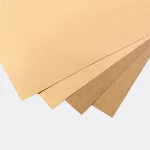
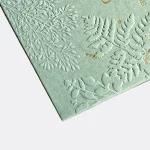
Paperboard gives an outer box a printable folding surface. Kraft board leaves a brown base that changes color appearance, while white board gives a cleaner background for supplied artwork. Matte lamination cuts surface glare. Gloss lamination makes color and highlights look more reflective. Foil, embossing, debossing, and spot UV add localized surface effects, but each one needs its own placement on the proof.
Keep construction and surface treatment as separate decisions. A pouch, label, and box can share color logic while using different materials and finishes. If the package will touch the product, ask us about food-contact options for your product. Include the contact surface and filling method in the brief.
Which catalog pages can frame supplement packaging?
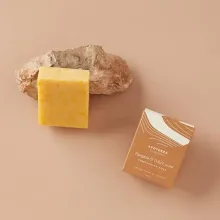
Private label packaging is a useful reference for a branded product family. Seed packaging frames a compact printed presentation and information discussion. Perforated packaging raises opening, access, insert, and die-cut questions where that structure fits. These pages are format references, not substitutes for the actual supplement product record.
Use custom packaging design when the format, artwork, and variable fields are ready for a focused brief. The next step is a physical check when the surface or structure is hard to judge on screen.
What should be approved before a supplement packaging order?
Approve the product format, exterior dimensions, variant copy, artwork version, material, finish, quantity, and delivery destination in the same record. CPL projects use an MOQ of 100 units. Pricing is from $0.49 per unit at volume, quoted to spec. Production is typically 8 to 10 business days after proof approval, plus delivery.
Free US shipping and free design support are available. Order the $19.99 sample kit, credited toward the first order, when a physical reference will help compare package directions before approval.
Frequently Asked Questions
What should be included in a supplement packaging brief?
A supplement packaging brief should list the product format, dimensions, SKU or product code, approved variable copy, artwork version, material, finish, and quantity. Include whether the package is a box, label, pouch, or coordinated set. CPL can use those inputs to draw a dieline, send a digital proof before printing, and quote the package against the actual product.
Can one artwork file cover supplement boxes, labels, and pouches?
One artwork file should not be placed across supplement boxes, labels, and pouches without format-specific changes. A box has folds and glue tabs, a label has an application area, and a pouch has seals. Keep the logo and information order consistent, then create a separate proof for each surface and variable product field.
What should I ask about if a supplement package touches the product?
If a supplement package may touch the product, ask Custom Packaging Lane about food-contact options for your product. State the contact surface, product format, filling method, and handling conditions in the brief. Those details keep the discussion tied to the package that will actually hold the product.
Can a supplement line reuse its box layout for new variants?
Supplement brands can reuse the shared box layout for new variants when the physical format, dimensions, panel order, and artwork rules stay the same. Product names, flavors, supplied copy, and other variable fields still need a separate proof. Review each variant against its product record before approval.
What are the order terms for supplement packaging?
Supplement packaging projects use an MOQ of 100 units. Pricing is from $0.49 per unit at volume, quoted to spec. Production is typically 8 to 10 business days after proof approval, plus delivery. Free US shipping and free design support are available, and the $19.99 sample kit is credited toward the first order.