








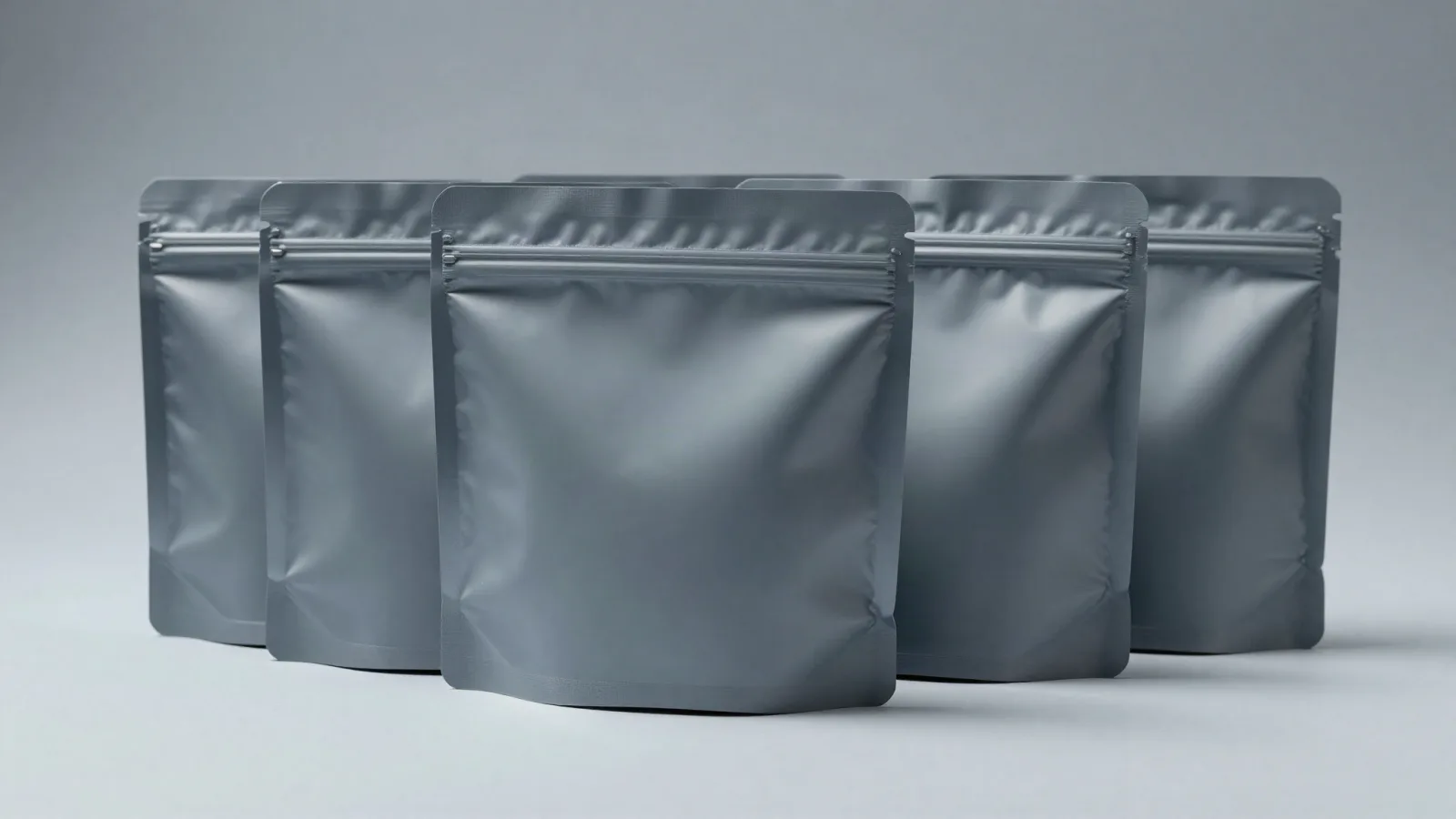



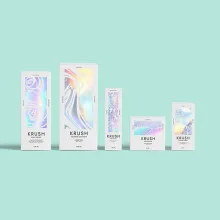
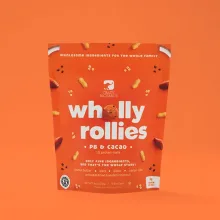


































Mylar bags for supplement packaging are flexible laminated film pouches planned around the product presentation, barrier discussion, closure, and label panel. A mylar bag is a laminate pouch, and the selected layers change how it handles light, moisture, air, and odor. Custom Packaging Lane's supplement packaging reference starts with capsules, powders, tablets, or another defined format, then builds the pouch request around that product.
For supplement mylar bags, mylar bags for capsules, and supplement pouch packaging, send the product presentation, opening preference, label copy, artwork status, and destination. Ask us about food-contact options when the intended package use makes that question relevant. This page addresses the pouch job, not claims about what a supplement does.
What barrier questions matter for supplement mylar bags?
Barrier questions for mylar bags for capsules concern the product's exposure to moisture, light, air, odor, and handling pressure. A barrier layer can change how those elements move through the pouch, but the result depends on the complete laminate, closure, and seal.
If capsules are loose, in an inner container, or arranged in an insert, the interior and opening change. Tell the team the filled condition. The material discussion belongs with the product and storage plan, not with the word mylar by itself.
Which pouch format fits capsules or powders?
Choose the pouch format from the product presentation, fill method, opening preference, and label area. A resealable pouch suits repeated access, while a heat-seal format separates the initial seal from the tear path.
| Pouch direction | Planning focus | Buyer input |
|---|---|---|
| Resealable pouch | Opening, closing, and front label area | Use pattern and closure preference |
| Heat-seal format | Seal location and tear access | Opening method and label boundaries |
| Large-format bag | Product volume and handling | Filled presentation and receiving plan |
| Die-cut or irregular shape | Silhouette, artwork, and usable interior | Shape reference and display position |
A large bag has a different handling brief from a compact capsule pouch. An irregular shape also changes the artwork boundary and the way the pouch sits. Record those differences before the proof is prepared.
How should supplement pouch label copy be placed?
Place supplement pouch label copy around a clear front panel hierarchy, then reserve the back, side, seal, tear, and zipper areas for their working parts. Put the brand name, product name, variant, directions, warning copy, contact information, and other brand-supplied wording in a defined reading order.
- Send the working or final label copy with a clear version name.
- Identify the front panel and preferred reading direction.
- Mark variable wording for flavor, formula, size, or product variant.
- Keep small type away from seals, folds, cuts, and opening features.
- Have the brand owner confirm all supplied wording before approval.
Custom print should support the information system. A digital proof makes it easier to catch a label that falls across a zipper, folds into a side gusset, or sits too close to a cut edge.
Which finishes can you compare on supplement mylar bags?
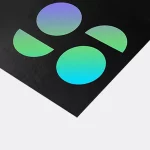
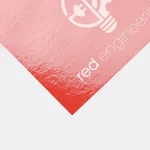
Supplement mylar bags can be compared with matte or gloss lamination, foil detail, and spot UV where the selected structure supports the finish. Spot UV is a glossy cured coating placed on selected artwork areas, so it should be mapped on the assembled pouch rather than judged only on a flat screen.
Review how the finish sits beside the zipper, seal, tear notch, or cut shape. Matte and gloss surfaces create different visual and handling directions. Keep the finish request tied to the product presentation and label hierarchy.
Which CPL mylar bag references fit this job?
Mylar bags for freeze drying give a reference when barrier and pouch construction questions are central. Large mylar bags give a larger filled presentation to compare.
For shape-led artwork, review irregular-shape mylar bags and die-cut mylar bags. A label-focused request can start with custom printed mylar bags, while custom mylar ziplock bags gives a closure reference. Select the reference that matches the pouch job.
What commercial terms apply to supplement pouch packaging?
Supplement pouch packaging uses a 100-unit MOQ. Pricing is from $0.49 per unit at volume, quoted to spec. Production is typically 8 to 10 business days after proof approval, plus delivery. Free US shipping and free design support are available.
A $19.99 sample kit can give stakeholders a shared reference while they compare pouch directions. For broader format planning, visit custom packaging solutions. Then request a proof that reflects the selected barrier discussion, closure, label plan, and artwork.
Which film layers are named in a supplement pouch specification?
PET, AL, and PE are the layer codes commonly named in a foil-laminate reference stack for supplement pouches. Mylar is polyester film used within flexible packaging laminates. A foil laminate is a bonded stack of films. PET is polyester, AL is aluminum foil, and PE is polyethylene used as a heat-sealable layer. Compare that construction across the custom mylar bag range.
| Layer reference | Common role | Production question |
|---|---|---|
| PET | Outer print and handling surface | Will artwork print on the surface or reverse? |
| AL | Light, gas, and moisture barrier layer | Is foil included in the quoted construction? |
| PE | Inner sealant layer | What seal method matches the filling process? |
The layer stack must still be matched to the supplement format and intended storage conditions. Ask us about food-contact options for the selected application. Performance requirements should cover the complete pouch because a suitable film can still be undermined by the zipper, tear notch, or final seal.
What pouch width works for a supplement serving format?
A common stand-up pouch range is 3 to 7.5 in wide, but fill volume and bulk density determine the usable choice. A stand-up pouch has a bottom gusset that opens to form a base. Bulk density is weight per unit of loose volume. Powders with low bulk density can need more internal volume than a heavier product at the same net weight, while capsules can bridge near a narrow opening. Compare custom mylar heat-seal bags at the filled size.
How do gussets and seals change usable pouch capacity?
Usable capacity grows only when the gusset opens fully, while every seal zone reduces fillable space. Measure the pouch in its filled shape, keep powder away from the seal land during packing, and leave headspace for closing. The seal land is the clean band where film surfaces bond. Overfilling can contaminate that band or distort the zipper track.
Can one custom pouch artwork support several supplement variants?
Digital printing can make short variant runs practical when the pouch dimensions and laminate stay constant. Build one locked information grid, then separate the product name, flavor, count, or color into controlled artwork versions. Each version needs its own proof and quantity. A shared file without clear version names can send the wrong front panel to print even when the underlying pouch specification is correct.
What production details prevent sealing problems?
Seal temperature window, dwell time, pressure, fill method, zipper position, tear notch, and machine direction belong in the production brief. Machine direction is the path the film travels through printing and packing equipment. A hand-filled pouch can tolerate a different workflow from an automated line, so identify the filling equipment before approving roll orientation or preformed-bag features.
Vacuum removal changes the closing process and should be specified only when the product and packing method call for it; custom mylar vacuum-seal bags provide a format reference. Use the sample kit to inspect the surface and closure before releasing final art.
Frequently Asked Questions
What are supplement mylar bags used for?
Supplement mylar bags provide a flexible pouch format for capsules, powders, tablets, or another defined product presentation. The construction depends on the product, opening method, label plan, and handling context. Share those inputs before selecting a pouch so the quote reflects the actual packaging job.
What should I provide for mylar bags for capsules?
For mylar bags for capsules, provide the capsule presentation, filled product details, preferred opening, closure direction, label copy, artwork status, and destination. Mention any inner container or organized insert. Ask Custom Packaging Lane about food-contact options when the intended package use makes that question relevant.
Can supplement pouch packaging include custom labels and printing?
Supplement pouch packaging can include custom labels and printing planned around the front panel hierarchy, variable product wording, closure, seal, tear access, and any cut feature. Send the working or final label file with a version name, then review how the copy sits on the assembled pouch before approving the proof.
How do I choose between a resealable and heat-seal pouch?
Choose between a resealable and heat-seal pouch by starting with the intended opening pattern and how the product will be handled after opening. A resealable direction calls for a closure review, while a heat-seal direction requires attention to seal placement and tear access. Share the filled presentation before selecting the format.
What MOQ and pricing apply to supplement mylar bags?
The MOQ for supplement mylar bags is 100 units. Pricing is from $0.49 per unit at volume, quoted to spec. Production is typically 8 to 10 business days after proof approval, plus delivery. Free US shipping and free design support are available, and the sample kit is $19.99.