



















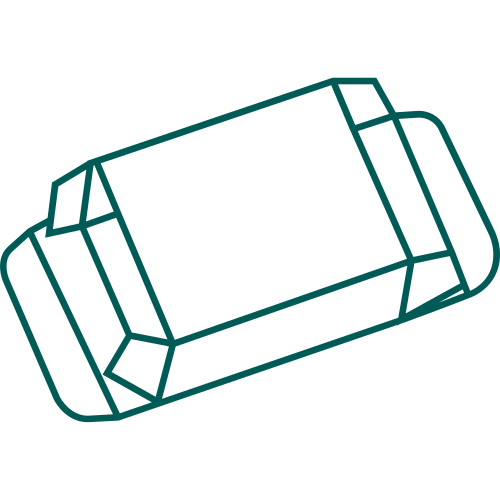




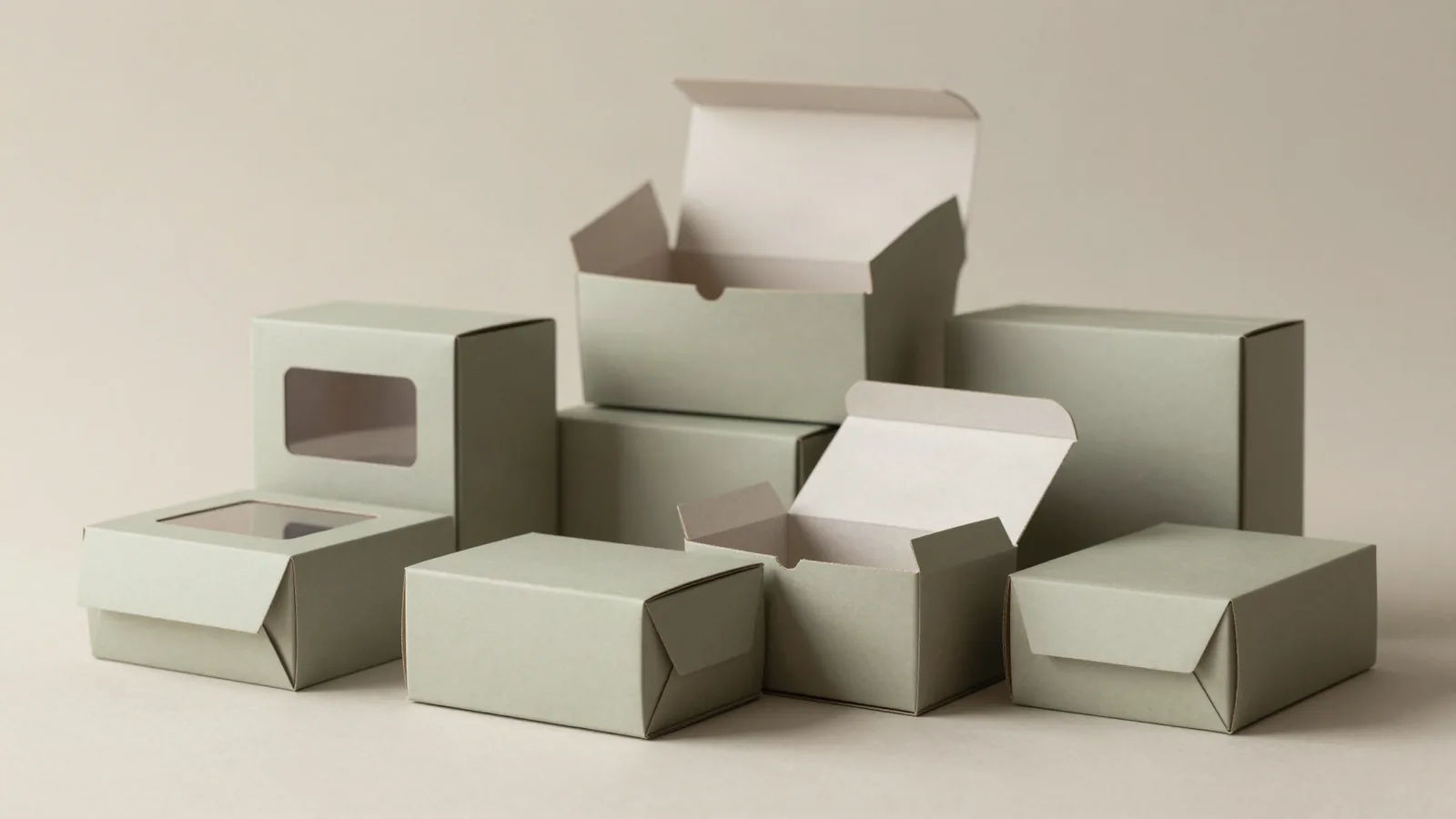



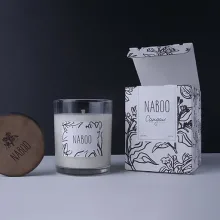
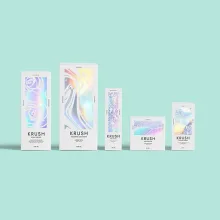




































A sandwich packaging box is sized from the packed sandwich, not from the product name. A dieline is the flat cutting template used to print, cut, score, and fold the box. For a custom food sandwich box, send the packed length, width, and height, plus the wrap, liner, or label that will sit inside or on the box. A physical packed sample is useful when ingredients change the profile.
What dimensions should I send for a sandwich box?
The right sandwich box dimensions come from the packed footprint, product height, closure clearance, and opening method. Measure the sandwich after it is wrapped or placed in its liner, because a bare product measurement can leave the finished box tight.
| Input | What to measure | Why it changes the box |
|---|---|---|
| Footprint | Packed length and width | Sets the inner cavity and panel size |
| Height | Filled height after wrapping | Sets clearance below the lid or flap |
| Wrap or liner | Thickness and overlap | Changes the space available inside |
| Label | Panel size and placement | Reserves a readable printed face |
| Opening | Tuck, sleeve, or other closure | Sets the scores and glue tabs |
CPL's food packaging line includes standard sandwich box dimensions that have been produced before. Those sizes can be a starting point, but the proof must match the sandwich you will actually pack. Keep the product name, packed dimensions, quantity, and intended channel together in the quote request.
What does a grease-resistant coating change?
A grease-resistant coating changes how the board responds where oil, sauce, or moisture may touch it. The coating sits on the board surface, so the supplier must review the inside panels, folds, glue tabs, and print coverage together.
Coating is not a substitute for application review. Ask us about food-contact options for your product before finalizing the construction. Matte and gloss surfaces can change glare and color appearance, while heavy ink coverage can change how the package feels at the opening. A digital proof should show the selected surface direction, not just the artwork file.
Which board and finish fit a sandwich package?
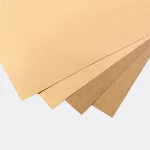
White board gives printed colors a clean base, while kraft board keeps a brown paper tone that changes how colors read. A folding paperboard structure suits a compact sandwich carton; an insert or a separate shipper changes the cavity and the dieline.
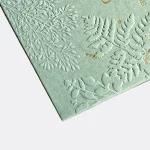
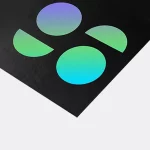
Matte lamination reduces surface glare. Gloss lamination reflects more light and can make saturated artwork appear stronger. Spot UV adds gloss to selected artwork. Foil and embossing need clear space away from scores. Use only a finish that the proof can show accurately.
How should a sandwich box close and open?
The closure should match the way staff fill the box and the way the customer opens it. A score is a pressed fold line. Glue tabs and scores need clear space, and type placed too close to a score can look crooked after folding even when the flat file looked correct.
A tuck flap gives a defined closing action. A sleeve changes the opening sequence and leaves more of the inner package exposed. An insert cut too loose can let the sandwich rattle; one cut too tight can make loading slow. The custom sandwich boxes product page is the direct catalog reference.
What should the proof show before print?
The proof should show the flat dieline and the folded box with artwork in place. Check the product name, dimensions, opening, glue tabs, barcode position, bleed, and any panel that may sit against the food or liner.
RGB artwork can shift when it is converted for press, and low-resolution logos can show jagged edges. Bleed is extra artwork beyond the cut line, so a small cutting shift does not leave a white edge. Check type away from scores. Approve only after the package makes sense both flat and folded.
For a separate retained component, custom foam box inserts show an insert-led direction. A chocolate tin box is another food-presentation reference, not a substitute for a sandwich box. These adjacent pages can inform structure discussions without changing the sandwich intent.
What do sandwich box order terms look like?
The minimum order is 100 units. Pricing is from $0.49 per unit at volume, quoted to spec. Production is typically 8 to 10 business days after proof approval, plus delivery. Free US shipping and free design support are available.
Start with a $19.99 sample kit if you need to compare board or surface directions before a custom proof. For a wider packaging brief, use the custom packaging solutions hub, then keep the sandwich dimensions attached to the request.
Frequently Asked Questions
What is the minimum order for custom sandwich boxes?
The minimum order for custom sandwich boxes is 100 units. Custom Packaging Lane quotes the selected size, board, print, finish, and coating to the project specification. Send the packed sandwich dimensions and intended opening so the quote starts from the actual package rather than a generic carton.
Can a sandwich box use a grease-resistant coating?
A sandwich box can be specified with grease-resistant coating options for areas exposed to oil, sauce, or moisture. Coating choice depends on the board, folds, glue tabs, printing, and intended application. Ask Custom Packaging Lane about food-contact options for the product, then review the coating direction in the digital proof.
How long does custom sandwich box production take?
Custom sandwich box production is typically 8 to 10 business days after proof approval, plus delivery. The clock starts after the proof is approved, not when the quote is requested. Allow time to check the packed fit, artwork, coating direction, and opening before approval.
Can I compare sandwich packaging samples first?
A $19.99 sample kit can help compare board, surface, and structure directions before a custom sandwich box proof is approved. The kit does not replace a fit check with the packed sandwich. Use the physical product and final dimensions when the custom dieline is reviewed.
Does Custom Packaging Lane provide design support and shipping?
Custom Packaging Lane provides free design support and free US shipping for the stated packaging offer. Design support includes help organizing the artwork and dieline discussion. The buyer should still check the final fit, copy, coating direction, and proof before production.