




























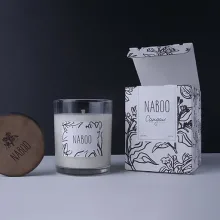
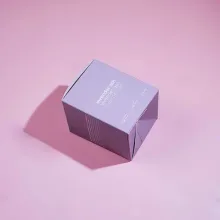
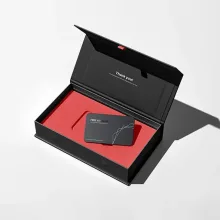








































A box dimension example is a recorded length, width, and height tied to a package family. CPL's 562-SKU catalog shows that common box dimensions are not one universal list. The same length and width can support different jobs when the height, opening, board, or interior arrangement changes. The chart below groups recorded examples by format so a buyer can compare patterns before preparing a custom brief.
Use the rows as catalog references, not as promises of stock packaging. After identifying the product and package role, visit custom packaging solutions with the chosen dimension string.
What do these box size examples show?
These box size examples show recurring length, width, and height patterns across mailer, shipping, corrugated, and carton formats. Read every row as length by width by height, then keep the box family beside the numbers.
| Box family | Recorded dimension examples | Pattern shown by the records |
|---|---|---|
| Mailer boxes | 6 x 4 x 2, 8 x 6 x 3, 10 x 8 x 3, 12 x 9 x 4, 14 x 10 x 4, 16 x 12 x 4 | Compact footprints with moderate height |
| Shipping boxes | 6 x 4 x 2, 8 x 6 x 4, 12 x 9 x 4, 14 x 10 x 6, 16 x 12 x 8 | More height variation as the packed load changes |
| Corrugated boxes | 6 x 4 x 4, 8 x 6 x 4, 12 x 9 x 4, 16 x 12 x 6, 18 x 14 x 8 | Broader footprint and height combinations |
| Standard cartons | 8 x 6 x 4, 10 x 8 x 6, 12 x 10 x 8, 16 x 12 x 10, 18 x 14 x 12 | Progressive length, width, and height planning |
Why do common box dimensions repeat across formats?
Common box dimensions repeat because a dimension string describes size, not the whole package construction. The repeated 6 x 4 x 2 and 12 x 9 x 4 patterns show why a mailer, shipping box, or corrugated structure can share a footprint while performing a different job.
The useful comparison is the complete record: box family, packed product, opening, height, material direction, and intended handling. A compact item may need extra space for an insert or a different opening. A larger packed product may need a different structure even when the printed footprint looks familiar.
How should you read length, width, and height?
Read each dimension string as length by width by height, and state whether the numbers describe the inside or outside. Inside measurements describe usable product space. Outside measurements describe the closed package footprint for storage, display, or handling. Folds, board, closures, and inserts can change the relationship between those records.
What should sit beside a box size example?
A box size example should sit beside the box family, measurement basis, packed product, orientation, opening, and interior plan. Add the physical details that change the fit rather than treating the nearest chart row as a finished specification.
- Write the selected length, width, and height in the source order.
- State whether the dimensions describe the inside or outside.
- Describe the packed product and its orientation.
- List any sleeve, tissue, card, insert, divider, or secondary layer.
- Identify the artwork status, material direction, quantity, and destination.
Which CPL product pages help compare box formats?
For a bottle-led structure, compare wine box packaging. For footwear presentation, use shoe box packaging as the product-fit reference. Embossed tin box packaging frames a presentation material, while custom foam box inserts help organize a fixed interior position.
Each page gives context for the package role. None replaces the product measurements, pack-out, or approved proof tied to the chosen dimension example.
What commercial details belong with a dimension request?
The MOQ is 100 units. Pricing is from $0.49 per unit at volume, quoted to spec. Production is typically 8 to 10 business days after proof approval, plus delivery. Free US shipping and free design support are available. The sample kit is $19.99 and is credited toward the first order. Ask for the quote after the product record and measurement basis are clear.
How do you turn an example into a usable box brief?
Turn a box size example into a usable brief by sending the selected row with the product, measurement basis, opening direction, material, artwork status, quantity, and destination. CPL can draw the dieline with free design support, then send a digital proof before anything prints. Check the proof against the same dimension order and pack-out used in the request.
Frequently Asked Questions
Which sizes appear more than once in the box examples?
The 6 x 4 x 2 and 12 x 9 x 4 patterns appear in more than one box family. A repeated dimension does not identify the structure by itself. Keep the box family, packed product, opening, height, material, and measurement basis beside the dimension string when using a catalog example.
What does 6 x 4 x 2 mean for a box?
The string 6 x 4 x 2 means length by width by height for the recorded box example. It does not say whether the numbers describe the inside cavity or outside footprint. Add the box family and measurement basis before using the example in a quote request.
Are the chart rows stock box sizes?
The chart rows are recorded CPL catalog examples, not a promise that the boxes are stock sizes. Use a row to describe the package family and starting proportions, then confirm the packed product, opening, material, interior parts, quantity, and approved proof for the custom project.
Can a box example include an insert or interior support?
A box example can include an insert, divider, sleeve, tissue, card, or other interior support when those parts are listed beside the dimension string. Custom foam box inserts can help hold a product in a fixed position. The completed pack-out controls the final fit, not the chart row alone.
What is the MOQ for a box based on an example?
The MOQ for a box based on a catalog example is 100 units. Pricing is from $0.49 per unit at volume, quoted to spec, and production is typically 8 to 10 business days after proof approval, plus delivery. Free US shipping, free design support, and a $19.99 sample kit are available.