





























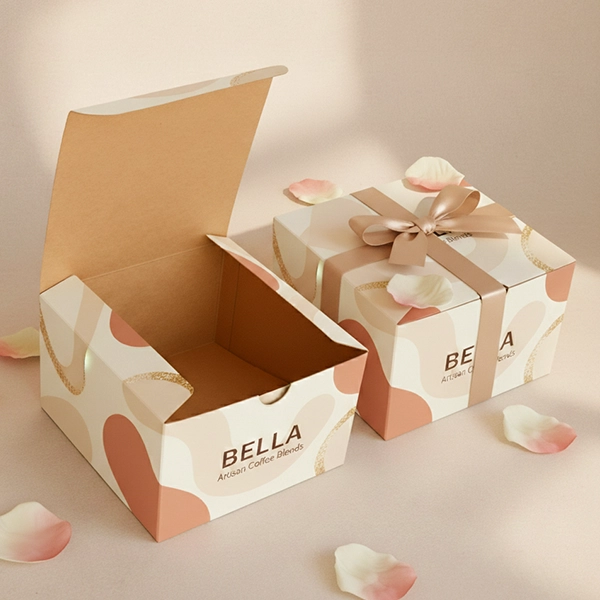





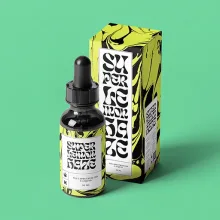


















































What should I plan before ordering bulk tuck boxes?
A bulk tuck box order should connect the closure to the way the product is packed, stored, and handed over. A tuck box is a folding carton with a tab that closes into a slot or panel, so product fit and opening direction belong in the first brief. Start with the finished product dimensions, quantity, product variants, artwork status, and receiving space.
Custom Packaging Lane accepts orders from 100 units. Pricing is from $0.49 per unit at volume, quoted to spec. Free design support includes drawing the dieline, the flat cutting template used to print and cut the box. A digital proof comes before printing. Production is typically 8 to 10 business days after proof approval, plus delivery.
How should I map tuck boxes to product variants?
Use one line for each product and artwork version. Note the tuck style, quantity, product dimensions, insert needs, and destination. If several products share one structure, identify the panels that change. This makes a bulk request readable when the order contains several variants or when a replenishment uses a different artwork file.
| Bulk planning item | What to define | Why it belongs in the request |
|---|---|---|
| Starting quantity | 100 units by selected format | Sets the first quantity discussion. |
| Variant map | Product, artwork, and tuck style | Separates shared structure from version-specific proof work. |
| Pack-out role | Retail handoff, gift presentation, or fulfillment | Connects the closure to actual use. |
| Replenishment point | Inventory signal and next request | Gives the bulk order a clear follow-up trigger. |
Which tuck box style should go on the first quote?
The first quote should use the tuck style that matches the product, opening sequence, and packing role.
Roll-end tuck front boxes are a starting point when the front panel and opening are central to the brief. Describe the product position, front panel artwork, and how the box is opened at the packing station.
Custom tuck-top mailer boxes can frame a request where the tuck closure and shipping role need to work together. Include the packed product dimensions, closure direction, and whether the box is assembled before packing.
Reverse-tuck candle boxes give a candle project a defined path. Send the finished vessel dimensions, lid or insert direction, and the panels that need artwork.
For other carton briefs, compare custom tuck-top boxes and custom straight tuck boxes. A straight tuck box uses tuck flaps on the same end, while a reverse tuck box uses opposing flap directions. The choice affects the opening sequence and the artwork layout.
How do quantity and artwork changes affect a bulk tuck order?
Quantity and artwork changes should be shown separately. Put common brand elements in one note, then list the product-specific panels, box sizes, and quantities for each version. Low-resolution art can soften small type, RGB files can shift when converted for press, and type too close to a score can fold into the crease. The digital proof is where those issues should be checked.
Pricing is from $0.49 per unit at volume, quoted to spec. The current quote must follow the selected tuck format, quantity, artwork, product fit, and destination. Free US shipping is available, but delivery still belongs in the order schedule. If several versions share a structure, state that clearly without hiding the separate artwork decisions.
What should the proof show for a tuck box?
The digital proof should make the tuck direction, dimensions, scores, artwork panels, and product placement clear. A score is a pressed fold line in the carton, and artwork placed too close to it can become difficult to read after folding. Check bleed, glue tabs, closure panels, and the product fit before approval. Free design support can help organize the dieline.
When should I use a sample kit for bulk tuck boxes?
Use a physical reference when the tuck closure, board feel, opening, or product fit needs a hands-on check. The sample kit is $19.99. Record what the final box should repeat or change, then carry those notes into the project brief. The sample is a reference, not the final size, artwork, or construction.
How should I schedule a bulk tuck box reorder?
Set the next request point before the current cartons are nearly gone. Base it on pack-out use, storage position, artwork changes, production after proof approval, and delivery. For the wider packaging discussion, use custom packaging solutions, then send the product, tuck style, quantity map, artwork status, and destination in one request.
Frequently Asked Questions
What is the MOQ for bulk tuck boxes?
The MOQ for bulk tuck boxes is 100 units for the selected format. If the order includes several products or artwork versions, list the quantity for each one instead of using a blended figure. Include the tuck style, product dimensions, artwork status, and delivery destination in the request.
How much do bulk tuck boxes cost?
Bulk tuck box pricing is from $0.49 per unit at volume, quoted to spec. That figure is a hedged starting point, not a flat price for every tuck-top, straight-tuck, reverse-tuck, or mailer format. Current pricing should reflect the selected structure, quantity, artwork, product fit, and destination.
Which tuck box formats can I order in bulk?
Bulk tuck box requests can cover roll-end tuck front boxes, tuck-top mailer boxes, reverse-tuck candle boxes, tuck-top boxes, and straight tuck boxes. Choose the format that matches the product and opening sequence, then include dimensions, quantity, artwork status, and destination for the project review.
Can I split a bulk tuck order across product variants?
A bulk tuck order can be planned across product variants when each version is listed with its format, quantity, artwork, product dimensions, and destination. Keep shared brand elements separate from changing panels. A clear version map gives the digital proof a separate review path for each product or artwork version.
How long does bulk tuck box production take?
Bulk tuck box production is typically 8 to 10 business days after proof approval, plus delivery. Artwork preparation and internal review happen before that estimate begins. Free design support is available, and the $19.99 sample kit can help you review the tuck structure before approving the digital proof.












