













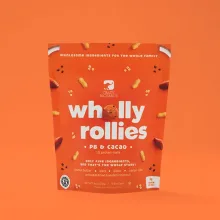





































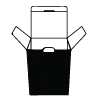

Cereal box dimensions describe the finished package width, height, and depth. The size of a cereal box is not universal because the product, inner bag, opening, shelf position, and artwork plan change the structure. Use outside dimensions for shelf and shipping planning, then confirm the usable interior before proof approval.
What are common cereal box dimensions?
Common cereal box dimensions are planning profiles, not universal specifications. The table gives reference sizes in inches and approximate millimeters for different product roles. Millimeter conversions are rounded, and board, fold, closure, and inner-pack needs can change the finished structure.
| Planning profile | Reference size in inches | Approximate size in millimeters | Use case |
|---|---|---|---|
| Single serve | 2.5 x 7.5 x 1.5 in | 64 x 191 x 38 mm | Compact retail portion |
| Pantry format | 3 x 8 x 2 in | 76 x 203 x 51 mm | Everyday shelf presentation |
| Family format | 4 x 10.5 x 2.5 in | 102 x 267 x 64 mm | Larger household package |
| Sampler format | 5 x 12 x 3 in | 127 x 305 x 76 mm | Variety or gift presentation |
How should I measure a cereal box for a new dieline?
Measure the finished cereal box as outside width, height, and depth, then record the usable interior separately. A dieline is the flat cutting template that shows panels, scores, cut lines, and glue tabs. Include the inner bag, opening direction, closure, and shelf orientation before the template is drawn.
How should I choose cereal box depth?
Choose cereal box depth from the product arrangement and inner pack, not from the front panel alone. Depth is the front-to-back measurement, and it controls how the box stands, closes, and holds the product. Include the bag, insert, divider, or separate component in the sizing brief before artwork is finalized.
A shallow box may suit a compact inner pack, while a deeper box may hold a larger fill or presentation set. Extra empty space can let the product move during handling, so the dieline should leave room for the closure without leaving the product loose.
Are cereal boxes recyclable?
Cereal box recyclability depends on the final material, coating, window, adhesive, and local collection rules. A cereal box is a paperboard package, but the complete construction determines how it is accepted after use. Ask us about food-contact options for your product, then check the collection rules where the package will be discarded.
What should custom cereal boxes show on each panel?
Custom cereal boxes should assign a clear job to each panel before the artwork is placed. The front panel can carry the product name and primary visual, while side and back panels hold the supplied product information and preparation copy. Keep type away from scores, extend bleed beyond the cut line, and check color when RGB artwork is converted for press.
- Finished product and inner pack dimensions.
- Logo, product name, images, and supplied copy.
- Opening direction and shelf orientation.
- Quantity, destination, and desired arrival window.
Which products support a cereal box project?
Review custom cereal boxes when the project needs a dedicated cereal carton. Custom cardboard cereal boxes support a paperboard carton discussion, while custom foam box inserts can organize a protected secondary piece in a sampler or gift presentation. The finished product profile still controls the dimensions.
What happens after I send the cereal box details?
Free design support starts with the product profile, desired dimensions, inner pack information, and artwork status. We draw the dieline and send a digital proof before anything prints. Check the top and bottom panels, score placement, bleed, and closure direction on that proof. The minimum order is 100 units, pricing is from $0.49 per unit at volume, quoted to spec, and free US shipping is available. Production is typically 8 to 10 business days after proof approval, plus delivery.
Send the quantity, destination, and arrival window with the brief. The $19.99 sample kit gives you a physical reference for board and finish. For wider planning, use custom packaging solutions.
How do cereal box sizes change for one inner bag and multipacks?
One flexible inner bag usually needs a continuous cavity, while multiple pouches need enough depth and closure clearance to remain aligned. Test the product after settling because the filled profile can differ from an empty or freshly packed bag. A sampler with separate items may also need a paperboard divider so one component does not push the front panel outward.
On the manufacturing drawing, label each figure as finished outside, usable inside, or flat panel size. Record dimensions as length x width x depth and identify the shelf-facing panel separately. That notation prevents the side panel from being mistaken for the front when estimating board use, setting artwork, or checking a folded sample.
Which carton structure controls cereal box fit most predictably?
A straight tuck end provides a simple baseline for a light retail carton, while an auto-lock bottom adds a preglued base for a heavier fill or faster setup. A straight tuck end sends both closure flaps in the same direction. A reverse tuck end sends them in opposite directions. An auto-lock bottom opens into an interlocking base, so its folded base consumes more internal depth.
| Carton structure | Closure pattern | Fit check |
|---|---|---|
| Straight tuck end | Top and bottom tuck in one direction | Confirm dust flaps clear the inner bag |
| Reverse tuck end | Closure flaps tuck in opposite directions | Verify panel order before artwork placement |
| Auto-lock bottom | Preglued base locks during setup | Load test the folded base at final fill |
Which board caliper suits a printed cereal carton?
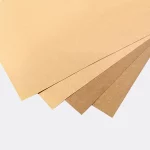
C1S or C2S paperboard in the 12 to 24 pt range is a common folding-carton starting point, while kraft board commonly falls in the 18 to 24 pt range. C1S has one coated face and C2S has two. A lighter sheet can reduce material bulk, while a thicker choice can limit panel bowing, but carton span, fill weight, and score quality determine the workable grade. A score is a pressed channel that guides the board into a controlled fold.
Digital printing suits short tests and versioned artwork. Offset becomes worth comparing when quantity and ink coverage absorb its setup. Matte lamination lowers glare, gloss raises sheen, and either can change the way a heavily printed score folds. Check the treated blank in its closed form instead of approving a flat sheet alone.
What fit tolerance should a cereal carton specification allow?
About 1/16 inch, or 1.5 mm, is a practical converting tolerance to discuss for paperboard dimensions. Do not cut a divider or size an inner bag to the exact nominal cavity. Board thickness, score movement, and the way cereal settles all affect usable space, so approval should include a filled folded sample.
How do carton dimensions change shelf facings and case packing?
Divide the available shelf width by the closed front-panel width and round down to a whole number to estimate facings. For a master carton, repeat the exercise across its usable length, width, and height, testing more than one orientation. Even a small depth change can alter row count, case count, and pallet pattern, so record the chosen nesting direction with the final specification.
What should be checked before cereal carton artwork is released?
Fit, color, and finishing need separate signoffs before the print file moves forward. Low-resolution images can soften, RGB artwork can shift during conversion, and type crossing a score can become hard to read. Compare custom cardboard cereal boxes with custom cereal boxes, inspect the wider food packaging range, and use the sample kit to judge board and finish in hand.
Frequently Asked Questions
Which measurement is the outside cereal box size?
The outside cereal box size is the finished width, height, and depth measured around the closed package. Record usable interior space separately because folds, board thickness, the inner bag, and the closure affect what fits inside. A project brief should contain both sets of measurements.
Do cereal box dimensions include the inner bag?
Cereal box dimensions describe the carton, but the inner bag must be part of the sizing brief. The bag affects depth, clearance, opening behavior, and product movement. Share the bag or its finished profile before the dieline is drawn, then check the closed carton through the digital proof.
What paperboard details affect cereal box recycling?
Cereal box recycling depends on the complete construction, including paperboard, coating, window, adhesive, and local collection rules. The outside print alone does not answer the disposal question. Ask us about food-contact options for your product, then confirm acceptance with the collection rules where the package will be discarded.
Can Custom Packaging Lane draw a cereal carton dieline?
Custom Packaging Lane provides free design support, including drawing the dieline for a cereal carton. Send the product profile, inner pack details, desired dimensions, artwork status, and opening direction. A digital proof comes before anything prints, so the panels, scores, bleed, and closure can be checked.
What are the order minimum and production window for cereal boxes?
Cereal box orders have a 100-unit minimum, and pricing is from $0.49 per unit at volume, quoted to spec. Production is typically 8 to 10 business days after proof approval, plus delivery. Free US shipping and free design support are available, and a $19.99 sample kit gives you a physical reference.