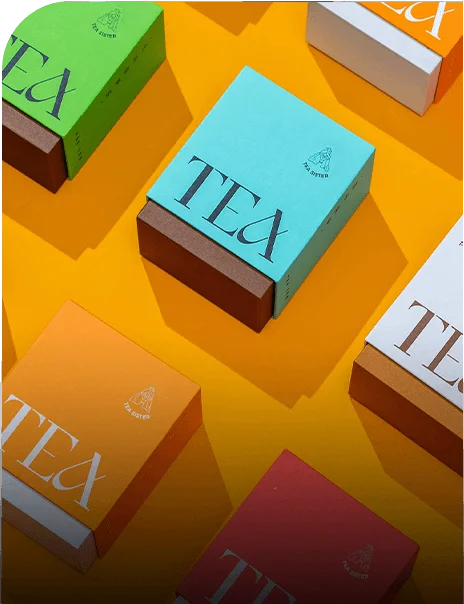






















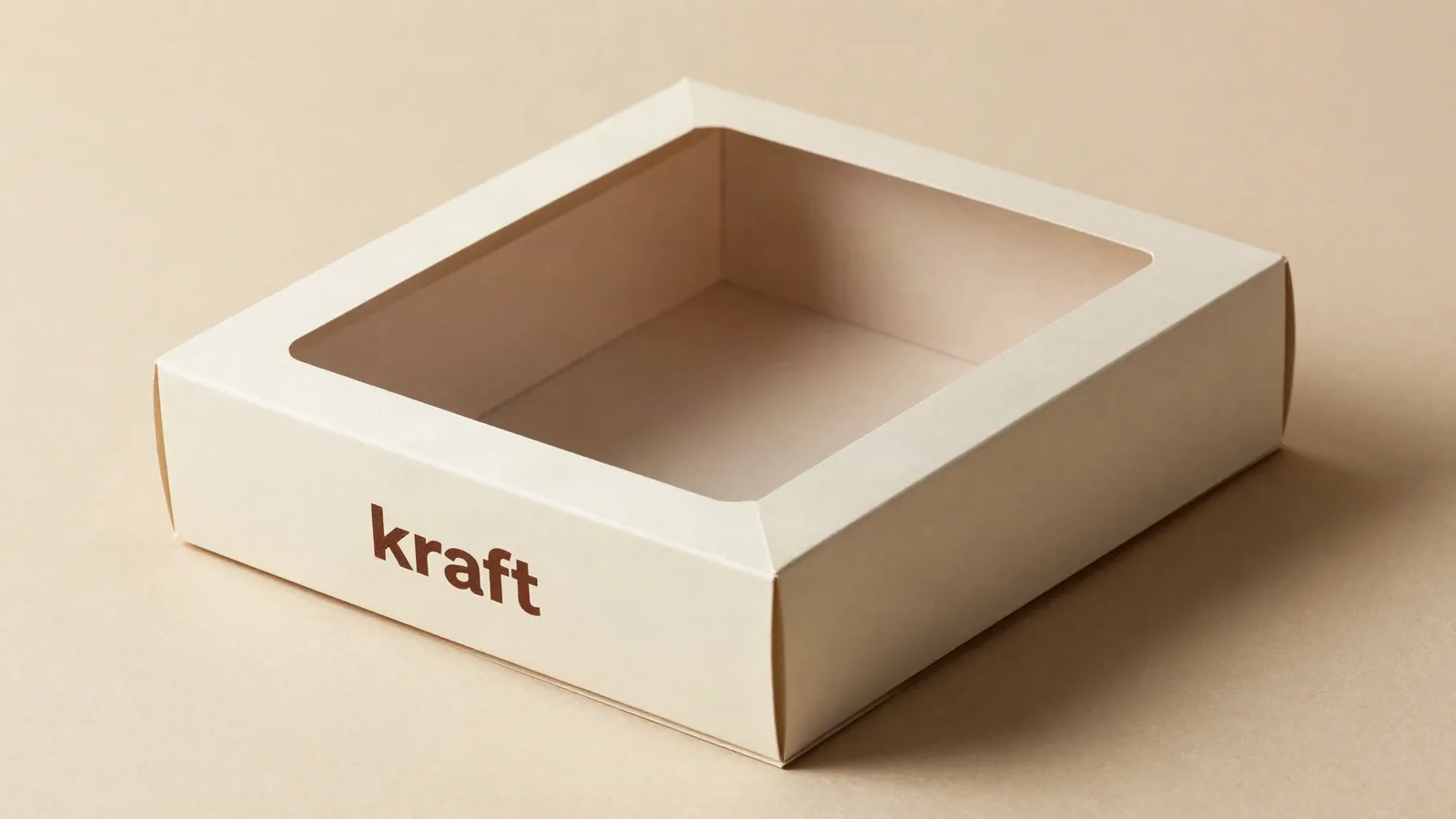



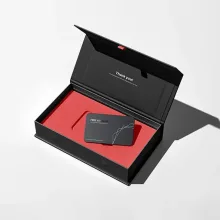
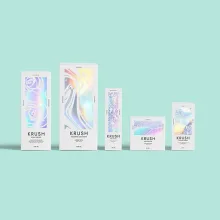
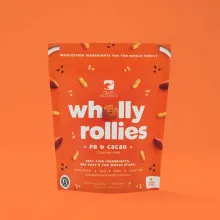
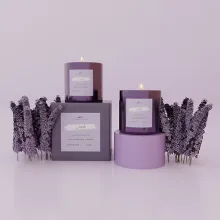
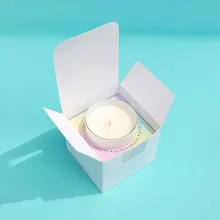
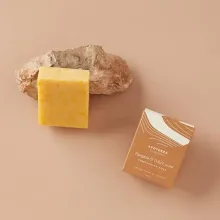



































A chocolate box is a package built around a chocolate bar, assortment, or gift presentation. CPL's rigid box and food-packaging catalog gives you real product references for tins, bar packs, candy boxes, and outer boxes. The work starts with the packed product, the opening, and the artwork panels. A box that looks right flat can still hide type under a lid fold or leave an insert too loose once it is assembled.
What should a chocolate box show before it is opened?
A chocolate box should show the brand, chocolate name, and variant clearly before the lid is lifted. Put those items in a fixed order on the front or lid panel, then move supporting copy to the sides, back, or interior. Gift packaging may reserve the lid for a short message. A retail box needs a readable front when several packages sit next to one another. For an assortment, use interior panels or tray positions to separate variants, then keep that order visible in the proof.
Keep type away from scores, glue tabs, and cut edges. If a barcode or small line of copy matters, check it on the assembled proof, not only on the flat file. RGB artwork can shift when it is converted for press, so inspect color after the press file is prepared.
Which finish fits a chocolate box?
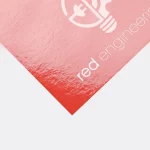
Foil fits selected accents, matte lowers surface reflection, and gloss gives the printed surface a brighter reflection. Choose the finish after the front-panel hierarchy is set, because a surface effect cannot fix crowded artwork.
| Finish | What it changes | Check on the proof |
|---|---|---|
| Foil | Reflective emphasis on selected details | Logo edges, small type, and foil boundaries |
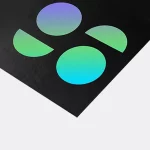
| Matte | Lower surface reflection across the selected panel | Dark color fields, contrast, and fine type |
| Gloss | Brighter surface reflection across the selected panel | Images, broad color areas, and light reflection |
Write the finish as a panel instruction, such as foil on the logo or matte across the outer lid. That note gives the printer a usable map. It also keeps the finish decision tied to the box structure instead of leaving a vague request for a better look.
How should the dieline follow the chocolate?
The dieline should follow the packed chocolate format, not a guessed box size. A dieline is the flat cutting template that shows panels, scores, cuts, glue tabs, and the fold path before the box is made. Send the product dimensions, thickness, wrap or sleeve details, and any insert request so the template can leave room for removal.
An insert cut to the exact product size can hold the chocolate neatly, but a tight fit can make removal awkward. A loose fit lets the product rattle. The opening, tray, and lid should be checked together. If a score crosses a logo or a line of type, move the artwork before the proof is approved.
How should the inside handle chocolate contact?
If chocolate will touch an interior package surface, ask us about food-contact options. State whether the chocolate is wrapped, sleeved, placed in a tray, or separated by another layer. Foil, matte, and gloss describe the visible finish. They do not answer the product-contact question.
Keep that distinction in the artwork notes. The outer rigid box can carry the brand system while the inner layer handles the product relationship. The same check applies when you compare a chocolate bar pack with a candy assortment box.
Which chocolate box references should you compare?
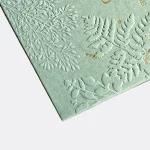
Use chocolate tin boxes when a metal presentation belongs in the comparison. Check mushroom chocolate bar packaging for a bar-focused reference. Embossed tin boxes can frame a raised-detail discussion, and custom chocolate candy boxes fit an arranged confection direction. These are catalog references, not fixed dimensions for every project.
What should you check before approving a chocolate box proof?
Check the closed box, open box, insert position, front-facing panel, opening sequence, finish map, and product-contact note before approval. A digital proof comes before anything prints. CPL offers free design support, and we can draw the dieline from the product dimensions and artwork brief.
CPL's custom boxes with logo resource is a useful reference when several chocolate packages need one brand system. Custom projects use an MOQ of 100 units. Pricing is from $0.49 per unit at volume, quoted to spec. Production is typically 8 to 10 business days after proof approval, plus delivery. Free US shipping and free design support are available.
How can you compare the finish before the custom run?
The $19.99 sample kit gives you a physical reference for board feel, print appearance, and finish direction. It does not replace the custom proof. The sample kit is credited toward the first order, so use it before the final chocolate box structure and surface map are approved.
Frequently Asked Questions
How do foil, matte, and gloss compare on a chocolate box?
Foil works for selected reflective accents, matte lowers surface reflection, and gloss creates a brighter reflective surface. The right choice for a chocolate box depends on the artwork, panel hierarchy, product imagery, and viewing conditions. Put the selected finish on a panel-specific proof so the chocolate name, variant, and logo remain easy to read.
Which chocolate box formats can CPL reference?
CPL can reference a rigid box, chocolate tin box, bar package, or candy box for a chocolate project. CPL lists chocolate tin boxes, mushroom chocolate bar packaging, embossed tin boxes, and custom chocolate candy boxes. The packed product, opening, insert, artwork, and finish determine which reference fits the project.
How should chocolate contact be handled?
If chocolate will touch an interior package surface, ask us about food-contact options before the package is approved. State whether the chocolate is wrapped, sleeved, placed in a tray, or separated by another layer. A visible foil, matte, or gloss finish does not answer the product-contact question.
What does a chocolate box proof check?
A chocolate box proof checks the closed package, open package, insert position, front-facing panel, opening sequence, finish map, and product-contact note. Check the assembled box as well as the flat file. A digital proof catches a panel, fold, or insert problem before anything prints.
What are the commercial terms for custom chocolate boxes?
Custom chocolate boxes use an MOQ of 100 units. Pricing is from $0.49 per unit at volume, quoted to spec. Production is typically 8 to 10 business days after proof approval, plus delivery. Free US shipping and free design support are available. The sample kit is $19.99 and is credited toward the first order.